
Giving to an animal cause is an act of trust. You hand money to people you may never meet, hoping it reaches an animal in a moment of real need. Most animal charities work hard and honestly. Even so, it is reasonable to ask questions before you give, and a good organization will welcome them.
This guide shows you how to vet an animal charity before you donate. It is a practical checklist written for everyday givers, with plain steps you can finish in a single evening. You do not need accounting training. You need curiosity, a few trusted public resources, and the willingness to walk away from anything that feels rushed, vague or too good to be true.
Along the way we explain how Without Voices approaches its own work, so you can see what a clear and checkable process looks like in practice. We are an animal emergency fund that sends donated funds to verified rescues, shelters and clinics. We will not claim to be the only good choice. We will show you what to look for so that you can decide for yourself.
Why Vetting an Animal Charity Matters
Animals cannot speak for themselves, which is exactly why people feel moved to act for them. That generosity is a gift, and it deserves to be protected. When you take a few minutes to learn who is asking for your money, you protect the animals the gift is meant to help. You also protect yourself from the small number of appeals that are built to take advantage of kind people.
Vetting is not the same as suspicion. Think of it as the same care you would use before hiring a contractor or choosing a school for your child. You are not assuming the worst. You are making sure the facts match the story. Strong organizations are happy to explain who they are, what they do and how they make decisions, because clear answers build lasting supporters.
There is a second reason to vet. Animal welfare work is varied. Some groups run long term sanctuaries, some place animals in homes, some provide veterinary care, and some, like Without Voices, focus on emergency funding. Each model is valid, and each uses money differently. Knowing which kind of group you are looking at helps you give to the kind of help you actually want to support.
Start With the Basics: Who Is Behind the Organization
Begin with the simplest question. Who runs this group? A trustworthy charity tells you plainly. Look for an about page that names real people, describes how the organization began, and explains why the founders care. A story that is specific, human and consistent across the website, social pages and printed material is a good sign. A story that is generic, or that changes from page to page, deserves a closer look.
Check that the organization gives you a way to reach a person. A working contact page, a mailing address and a clear explanation of how to send a question all matter. If the only way to get in touch is a donation button, treat that as a gap. Charities that serve animals in crisis are busy, but a reply to a thoughtful question should arrive within a reasonable time.
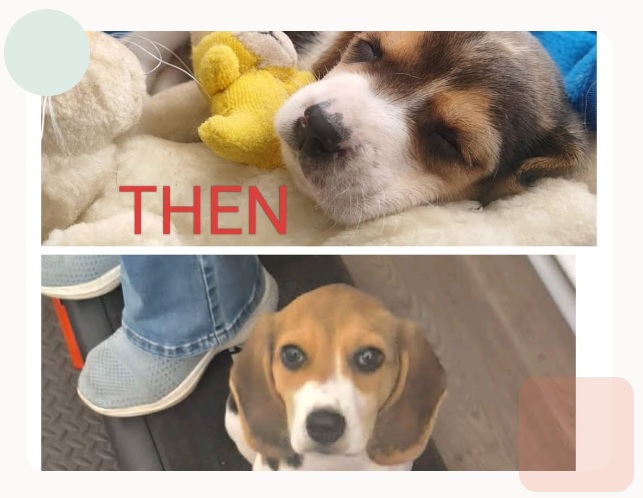
You can see this principle in how we present ourselves. Our about us page tells the story of our founder, Bruce Stander, and how helping to cover the veterinary bills of a dog named Tiny led to the creation of Without Voices. You may not agree with every choice any organization makes, but you should be able to find out who stands behind it. If you want to ask us something directly, our contact page is open to donors, rescues, shelters and clinics alike.
Check Its Registration and Tax Status
The next step is to confirm that the organization is what it says it is. In the United States, many charities are registered as tax exempt nonprofits, and public databases let you look them up. The federal government offers a free IRS search tool that, according to the agency, lets people check an organization’s federal tax status and filing information, see whether it is eligible to receive tax deductible donations, and learn whether its exempt status has been revoked.
Many states also keep their own registers of charities and fundraisers. The Federal Trade Commission advises people to confirm that a charity and any fundraiser calling on its behalf are registered with the state charity regulator, and to look up the organization in the federal tool before assuming a gift is deductible. You can read that guidance in the FTC article on giving to charity. If a group cannot be found anywhere, ask them why before you give.
A note of caution. A listing in a database tells you that an organization exists and how it is classified. It does not tell you whether it runs good programs or whether its work fits your values. Treat registration as a starting line, not a finish line. Also, we are not able to give tax advice, so if you have questions about deductions for your own situation, speak with a qualified tax professional.
Read the Mission and Look for a Clear Focus
A good mission statement is short enough to remember and specific enough to test. Compare two sentences. The first says an organization wants to help animals everywhere. The second says it funds emergency veterinary care for animals in crisis by supporting rescues, shelters and clinics. The second tells you what a gift will do. The first could mean almost anything.
As you read, ask whether the activities on the website match the mission. If the stated purpose is emergency medical care, you should see emergency care described. If the purpose is rehoming, you should see how animals are placed. When a group lists many unrelated goals with little detail on any of them, it may be stretched thin, or it may be using broad language to appeal to as many donors as possible.
Our focus is narrow on purpose. Without Voices is built around emergency funding for animals in crisis, which we explain in more depth in our post on emergency response funding. A narrow focus is not automatically better than a broad one. It simply makes the work easier to understand and easier to check, which is exactly what a donor needs.
Ask Where the Money Goes, in Specific Terms
Every donor wants to know how their gift is used, and every charity should be ready to answer. Be wary of answers that are all feeling and no substance. A statement such as “your gift changes lives” is warm, but it is not information. A better answer describes the kind of costs a gift supports, such as veterinary bills and urgent medical treatment, and explains how those costs are matched to real requests.
Be equally careful with promises that sound too neat. Claims that every dollar goes to one single place can be hard to verify, because running any organization involves some cost. If a group makes a precise claim about percentages or totals, ask to see where the figure comes from. If it cannot show you, you can reasonably treat the number as a marketing line rather than a fact.
We try to hold ourselves to the same standard. We do not publish made up numbers or promise a specific outcome for any single gift. What we can say is how the process works: emergency requests come in, the emergency and the organization are verified, and donated funds are sent to rescues, shelters and clinics. For a longer look at this subject, see our post on where your donation goes and ask us anything it leaves open.
- Ask what kinds of expenses your gift supports.
- Ask how requests are chosen or approved.
- Ask who receives the funds and how that is confirmed.
- Ask how the organization shares what happened afterward.
Look for Transparency and Reporting
Transparency is the habit of showing your work. A charity that is open about its process, its decisions and its results gives you far more to evaluate than one that only shares emotional photographs. Look for plain descriptions of how the organization operates, who it partners with, and what supporters can expect after they give.
Updates matter as much as promises. The best organizations close the loop. They tell supporters what a request was for, what was done, and what the outcome was, even when the outcome is difficult. On our how we help page, we describe a four step process that ends with updates and outcome reports, because we believe donors should be able to see what their support made possible.
Be patient with young organizations. A group that is new may not have years of reports to show yet, and it may say so honestly. We have said the same about ourselves: as we grow, we will share more stories of animals helped through emergency funding. Honesty about where an organization is today is a better sign than a polished record that cannot be checked.
Be Careful With Emotional Appeals and Photos
Photographs of suffering animals are powerful, and they should be. They are also easy to reuse. An image can be copied from one appeal to another, attached to a story that does not belong to it, or presented with no context at all. That does not mean every moving photograph is misleading. It means the picture alone is not proof of anything.
When you see an urgent appeal, ask a few simple questions. Does the appeal name the organization responsible for the animal’s care? Does it explain what the money will pay for? Can you find the same story on the organization’s own website, not only in a social media post? If the animal, the need and the responsible group are all unclear, slow down before giving.
Real stories can still be told with care. Our own founding story is public. Bruce Stander saw a video of a dog named Tiny in terrible condition, helped to cover her veterinary bills, and watched her make a full recovery. That account sits on our about us page where anyone can read it. We do not invent animal stories or donor testimonials for fundraising, and you should expect the same from any group you support.
Spot Pressure Tactics and Payment Red Flags
Some of the clearest warning signs have nothing to do with animals at all. They involve how you are asked to give. The Federal Trade Commission advises people not to let anyone rush them into a donation, and to be cautious about requests to pay by gift card, wire transfer, cryptocurrency or payment app. Its scam guide lists these signs in more detail.
Other red flags include a name that closely imitates a well known organization, a caller who will not tell you the exact name and mailing address of the charity, and thank you messages for gifts you never made. Unexpected texts with links deserve extra caution. If you are unsure, do not click. Instead, type the charity’s address into your browser yourself, or contact the group using details you found on your own.
Give yourself permission to say no or to say later. Genuine animal emergencies are real, but a legitimate charity does not need your card number in the next thirty seconds on a phone call. If something feels wrong, you can choose a different organization. There is never a shortage of honest groups that would be glad to hear from you.
Understand How Emergency Funds Differ From Shelters and Sanctuaries
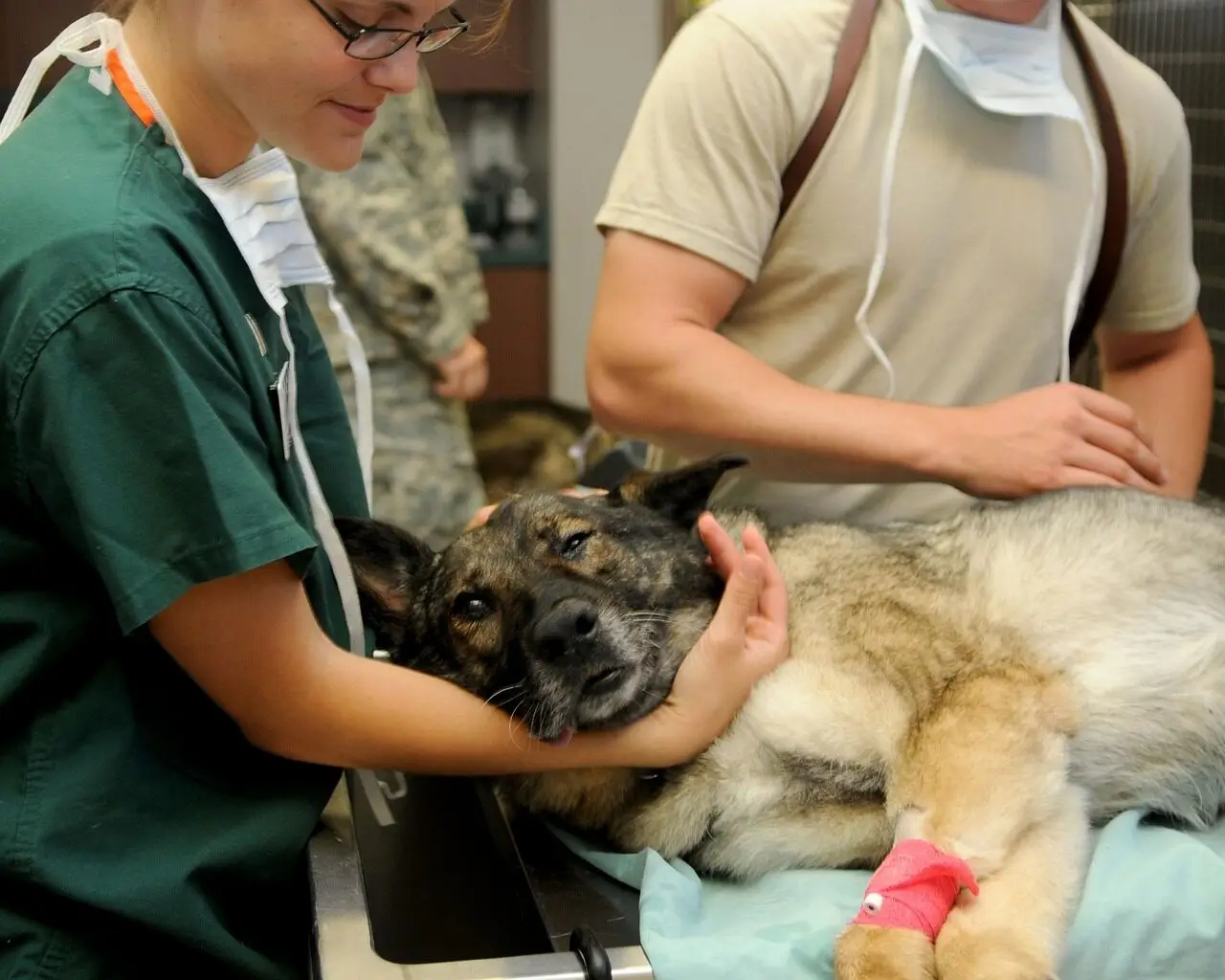
Not every animal charity does the same job, and a fair comparison starts with knowing the difference. Shelters and rescues care for animals directly. They provide space, food, daily care and often rehoming. Sanctuaries may care for animals over the long term. An emergency fund, by contrast, raises money so that urgent medical needs can be met quickly by the people already caring for the animal.
That model exists because small organizations often work with tight resources. We have written about this in our piece on the economics of small shelters, where the pressure of constant need meets limited budgets. We have also written about emergency reserves and why they matter, and about how emergency veterinary care can arrive without warning and demand a fast response. These pieces explain why a dedicated emergency fund can be useful to the whole rescue community.
When you vet a charity, be clear about which model you are evaluating. Judge an emergency fund by how it verifies requests and moves funds. Judge a shelter by how it cares for animals. Judge a sanctuary by how it plans for long term stability. Using the wrong yardstick can make a good organization look weak or a weak one look strong.
Look at the Whole Picture Before You Decide
No single check settles the question. Registration, mission, transparency, reporting and payment practices each tell part of the story. A strong organization usually looks good on most of them and can explain any gaps. A weak or dishonest one tends to fail several at once, often in a pattern of vagueness, pressure and missing detail.
It can help to write your findings down. A simple note with the organization’s name, website, contact details, what you verified and what you could not find will help you compare more than one group. You may decide to give to one cause now and revisit another later. Choosing carefully is not slow. It is a way of making sure your first gift is a confident one.
If you are weighing two groups that both look reasonable, compare them on the same questions, in the same order. That keeps first impressions and good design from tipping the scales. Give weight to the things you can confirm yourself, such as a public registration, a clear process, a named team and a direct reply to your email. Give less weight to adjectives and more to specifics.
Finally, trust your own reading of the evidence. If a group answers your questions clearly and patiently, that is encouraging. If it becomes defensive, evasive or irritated, that is information too. Good charities understand that donors are partners. They treat careful questions as a sign of a thoughtful supporter, not as an attack.
Going Deeper: Program and Financial Questions
Once the basics check out, you may want to go further, especially before a larger gift. You do not need to read a stack of documents. A few well chosen questions will tell you a great deal about how an animal charity thinks and how carefully it runs its work.
Questions About Programs
Start with what the organization actually does day to day. Ask how it decides which animals or which requests to help, who makes those decisions, and what happens after a decision is made. A clear answer will describe steps in order. A weak answer will repeat the mission statement without explaining the mechanics.
Ask also what the organization does not do. Honest groups know their limits. They can tell you which cases fall outside their work and, where possible, where else a person might turn. An organization that claims it can solve every animal problem is promising more than any group can deliver, and that deserves gentle skepticism.
Finally, ask how the group learns from experience. Charities that review outcomes, listen to partners and adjust their process tend to improve over time. You do not need a formal evaluation report. A thoughtful description of what has gone well, what has been hard and what the team would change is often more revealing than any brochure.
Questions About Money
Financial questions can feel awkward, but they are fair. Ask whether the organization publishes an annual report or a summary of its finances, and whether it can tell you in general terms how donations are used. If a document is available, read the plain language sections first. You are looking for consistency between what the group says in its appeals and what it reports about itself.
Be careful with any single number taken out of context. A figure can look impressive or alarming depending on what it leaves out. Ask what the number measures and what period it covers. Where a group offers a statistic, check that you can trace it to a source. If you cannot, treat it as an unconfirmed claim and weigh your decision on the evidence you can verify.
It is also reasonable to ask how the organization handles gifts that exceed an immediate need, and how it plans for months when requests are heavy. Good organizations think ahead. They explain how they stay ready for the next emergency, because emergencies rarely arrive on a convenient schedule.
Questions to Ask a Rescue, Shelter or Clinic Directly
Sometimes the best vetting happens one step closer to the animal. If you hear about a specific rescue, shelter or clinic, you can contact it directly and ask what kind of support it needs. Many are glad to explain how they work and what a donation would help with. Always use contact details you found yourself, not those in an unexpected message.
When you speak with them, listen for openness. Can they describe the care they provide? Do they welcome questions? Are they comfortable explaining how they handle emergencies, and how they pay for veterinary treatment when a case is costly? You are not auditing them. You are getting to know the people who do the work, which is one of the most reliable ways to judge a cause.
If you prefer to give through an intermediary, such as an emergency fund, apply the same questions to the fund. Ask how it learns about emergencies, how it checks them and how it sends money to the people doing the work. A fund that cannot explain these steps is asking for trust without offering any way to earn it.
Questions About Communication
How an organization talks to supporters says a lot about how it treats them. Notice the tone of its messages. Do they inform you, or do they mostly push you toward a gift? A healthy mix includes explanations, updates and thanks, not only requests. Messages that arrive in a constant stream of urgent alarms can wear down trust, even when each appeal is sincere.
Notice, too, whether the organization is careful with its facts. Accurate spelling of names, consistent descriptions of its work and a willingness to correct mistakes are small signs of care. If a group makes a claim and later quietly changes it, ask why. People who run honest organizations tend to be comfortable saying that they got something wrong and fixing it.
Last, check how the organization treats privacy. A good charity explains what it does with your contact details and respects your wish to hear from it less often. You should be able to find a privacy policy on the website and a simple way to change how you are contacted. Respect for your choices is a sign of respect for you as a supporter.
How Without Voices Handles Verification and Giving
It is only fair to apply this checklist to ourselves. Below is what we can say about how Without Voices works, using the same plain language we hope you will look for elsewhere. Everything here comes from our own public pages, and we invite you to compare it with what you read on our website.
How We Verify Requests
Rescues, shelters and veterinary clinics that face an emergency can submit an urgent funding request with documentation. Our team then verifies the emergency, the organization and the immediate need. Approved emergencies receive funding distributed from donor contributions as quickly as possible, and outcomes are shared so that supporters can see how funds were used.
We describe this process openly on the how we help page. If you are a rescue, shelter or clinic and want to ask about partnering, the same page explains how to start. We believe a clear process is the best protection for both donors and the organizations we fund.
Giving Through Without Voices
If you decide that our approach fits what you want to support, the donate page is the place to give. You can read about our work first and give when you are ready. There is no pressure, and no timer counting down. We would rather you give with confidence than give in a hurry.
You may also wish to read how a single gift can reach more than one animal in our post on the ripple effect of emergency donations. As always, we do not promise a particular result for a particular gift. We promise to describe our process honestly and to keep working so that lack of funding does not become a death sentence for an animal in crisis.
A Checklist You Can Keep
Use this short list whenever a new appeal arrives. It works for any animal charity, including ours.
- Can I find the names of real people and a clear history?
- Is there a working way to contact the organization?
- Is the organization listed in public registers, and does the name match?
- Is the mission specific, and do the activities match it?
- Can the group explain what a gift pays for without exaggeration?
- Does it share updates or outcomes after it receives support?
- Am I free to take my time, and is the payment method ordinary and safe?
- Do the answers stay consistent when I ask the same question twice?
Mistakes to Avoid
A few errors come up again and again. The first is giving because of one photograph, with no further research. The second is treating a high number on a website as proof without asking where it came from. The third is assuming that a familiar sounding name is the real organization. The fourth is giving in a rush because an appeal says time is running out. Slow, simple checks avoid all four.
Another common mistake is thinking that vetting means you must find a perfect charity. No organization is perfect. The goal is an honest one that is clear about what it does, open to questions and willing to show results over time. If you find that, you have found a good home for your gift.
Seasonal and Local Giving
Some needs rise at certain times of year. We have looked at how shelters feel the pressure when intake climbs in the colder months in our post on the hidden costs of the winter intake surge. Giving ahead of a busy season can help organizations prepare, but the same vetting rules apply whenever you give.
If you want to support rescues in a particular area, you can start with our pages on local emergency funding, such as our Florida dog rescue page. Local pages are a convenient way to find information, but the process behind them is the same everywhere: verify the emergency, verify the organization, and send donated funds where they are needed.
Frequently Asked Questions
How long does it take to vet an animal charity?
Most people can complete the basic checks in under an hour. Reading the about page, finding the organization in public registers, reading how it describes its process and sending one question by email covers the essentials. Take longer if you plan a larger gift. The time is well spent because it lets you give with confidence.
Is a small or new organization a bad choice?
Not at all. Small and new groups often do very direct work. The question is not size but honesty and clarity. A young organization should be able to explain who runs it, what it does and how it handles money, even if it has only a short record to share. Be a little more careful, ask more questions, and judge the answers.
What if a charity does not answer my questions?
Silence is information. Allow a reasonable time for a reply, since many animal groups are busy responding to emergencies. If you still hear nothing, or if you receive an answer that avoids the question, consider giving elsewhere. A charity that values its supporters will make an effort to respond.
Should I give by card, check or another method?
The Federal Trade Commission advises people to pay by credit card or check and to be wary of gift cards, wire transfers, cryptocurrency and payment apps for donations. Use the donation page you reached by typing the charity’s address yourself rather than a link from an unexpected message. Keep your receipt and check your statements afterward.
Can Without Voices help an individual pet owner?
Our work supports rescues, shelters, veterinary clinics and organizations doing the hard work on the ground. Emergency requests come from those organizations and are verified by our team. If you are unsure whether your situation fits, use our contact page to ask, and we will do our best to point you in the right direction.
Where can I report a suspicious appeal?
The FTC advises reporting charity scams to ReportFraud.ftc.gov and to your state charity regulator. It is also helpful to tell the organization being imitated, if you know which one it is, so that it can warn other supporters. Sharing your experience can protect other kind people who might receive the same message.
Do charity rating sites tell me everything I need to know?
They can be a helpful starting point, but no rating covers every organization. The FTC notes that smaller or local groups may not be listed at all. Use ratings as one input, then read the organization’s own pages and ask your own questions. A missing rating is not a warning by itself, and a high rating is not a replacement for your own judgment.
Next Steps
You now have a practical way to vet an animal charity before you donate. Start with who runs it, check its registration, read its mission, ask where the money goes, look for updates, and watch for pressure. Take your time, and trust the answers you receive.
If you would like to see how we measure up, read our about us page, review our process, and ask us questions. When you are ready, you can give through the donate page and help a verified rescue, shelter or clinic respond to an emergency. Thank you for caring about animals who cannot speak for themselves.