
The weeks between Thanksgiving and New Year’s Eve change how people give. Inboxes fill with appeals, friends share fundraisers, and many of us look at our budgets and ask where a gift would matter most. For animal lovers, that question often points to rescues, shelters and clinics that work through the cold months with the same limited funds they had in summer.
This guide to year end giving for animal rescues is built for everyday donors. It walks through how to choose a cause, how to check an organization before you give, which kinds of gifts help most when an emergency hits, and how to avoid the mistakes that leave well meaning donors with regrets. You do not need a large budget to follow it. You need a little time and a few clear questions.
We also explain how Without Voices fits into the picture. We are a 501(c)(3) animal emergency fund. We do not run a shelter. We verify urgent requests from rescues, shelters and clinics and send donated funds so animals in crisis can get care. Read the sections that help you and skip the rest. By the end, you will have a plan you can finish in one sitting.
Why Year End Giving Feels Different
Giving in November and December has its own rhythm. Many people set aside time at the end of the year to review what they care about, and many organizations send their biggest appeals in the same weeks. That means more choices, more noise and more pressure to decide quickly. A short plan protects you from all three.
The season also brings real needs for animal organizations. Rescues and shelters keep caring for the animals already in their care while winter weather, holiday travel and tight household budgets add new pressures. Some animals arrive hurt or sick. Some are deeply loved but live with families who cannot afford to cover an unexpected veterinary bill. We describe these pressures in general terms because they differ from one community to the next, yet the pattern is familiar to anyone who has spent time around a rescue.
Why a plan beats a rush
A rushed gift often goes to the loudest message instead of the best fit. A planned gift goes where you decided it should go. The plan can be simple: choose an amount, choose a cause, check the organization, give, and keep the receipt. Everything in this guide supports those five steps.
What a good year end gift looks like
A good gift matches your values, fits your budget and goes to an organization you have checked. It does not need to be large. It does need to be intentional. When you can say why you gave and who received your gift, you are far more likely to feel good about it in January and to give again next year.
It also helps to separate two decisions that people often blend together. The first is how much to give in total this season. The second is how to divide that amount among the causes you care about. Settle the total first, because it keeps you from reacting to every new appeal that arrives.
Start With Your Goals Before You Pick a Cause
Before you open a single appeal, write down what you want your gift to do. Some donors want to help animals in immediate danger. Others want to support long term care, adoption programs or education. Each goal points to a different kind of organization, and none is wrong. Clarity about your goal makes every later choice easier.
Immediate help or long term change
Immediate help means money that reaches an animal during a crisis, such as urgent veterinary bills, an emergency procedure or life-saving surgery. Long term change means support for programs that work over years. Without Voices focuses on the first kind. We bridge the gap when a rescue’s own fundraising is not enough, and we say plainly that we do not provide direct animal care or adopt out animals.
Local, national or global
Some donors want to see results in their own town. Others care about animals wherever the need is greatest. Neither approach is better. A local focus lets you visit and volunteer. A wider focus reaches places with fewer resources. Choose the scope that keeps you engaged. Our own work is described on the site as distributing donated funds to verified partners facing urgent emergencies worldwide, and you can read the full picture on our how we help page.
Choose a number you will not regret
Pick an amount you can give without stress. Giving that strains your budget is hard to repeat, and steady support is easier for an organization to plan around than a single stretch. If your budget is small, a modest gift to one organization you trust does more than tiny gifts scattered across many appeals. If you can give more, consider splitting the total between immediate help and longer term programs.
Understand What Kinds of Animal Organizations Exist
Animal organizations look alike from the outside, yet they do different jobs. Knowing the differences helps you match your gift to your goal and avoid confusion about where your money goes.
Rescues and shelters
Rescues and shelters take in animals, house them, feed them and arrange veterinary care. Many are small and run by volunteers. Their expenses are steady and sometimes sudden, because every animal in their care can need treatment at any time. Gifts to these groups usually support day to day operations.
Veterinary clinics
Clinics provide treatment and surgery. Some work closely with rescues and shelters, and those partners rely on them for urgent care. When a rescue cannot cover a bill, the clinic’s ability to help can depend on whether funding arrives.
Emergency funds
An emergency fund like Without Voices does something different. We do not intake, foster or house animals. We distribute donated funds to verified rescues, shelters and clinics facing urgent emergencies, including urgent veterinary bills, emergency medical procedures and life-saving surgery, and sometimes crisis funding for food, supplies and shelter. Our role is to close the gap between what an organization has and what an emergency costs.
Why the difference matters when you give
If you want your gift to support daily care, you may prefer to give directly to a rescue or shelter you know. If you want your gift to be ready when a crisis arrives, an emergency fund fits well. Many donors do both. What matters is that you understand which job your gift is doing, and that the organization describes its work clearly and honestly.
Check an Organization Before You Give
A few minutes of checking protects your gift and the animals it is meant for. You do not need special training. Most of the steps use public tools and plain questions. We covered the full process in our vetting checklist, and the short version appears here.
Confirm its status
Start by confirming that the organization is a registered charity. In the United States, the IRS offers a Tax Exempt Organization Search tool that lets you look up an organization by name and review its federal status. The agency explains the tool in an IRS guide written for donors. Treat a missing listing as a reason to ask questions before you give.
Look for plain answers about the use of funds
Ask what your gift would pay for and how you would hear about the result. A clear organization answers in specific terms without promising outcomes it cannot control. Be careful with any group that avoids the question or answers only with emotional images.
Watch for pressure and unusual payment requests
The FTC advises donors to search an organization’s name along with words like complaint or scam, to be wary of pressure to give right away, and to be cautious about requests to pay by gift card, wire transfer or cryptocurrency. You can read that advice on the agency’s donor guidance page. A legitimate organization does not mind if you take a day to decide.
Keep your records
Save your receipt and the confirmation email. Note the date and amount of every gift. Good records make it easy to review your giving later and to follow up if something looks wrong. A trustworthy organization sends a clear acknowledgment and is easy to reach if you have a question.
Why Emergency Funding Deserves a Place in Your Plan
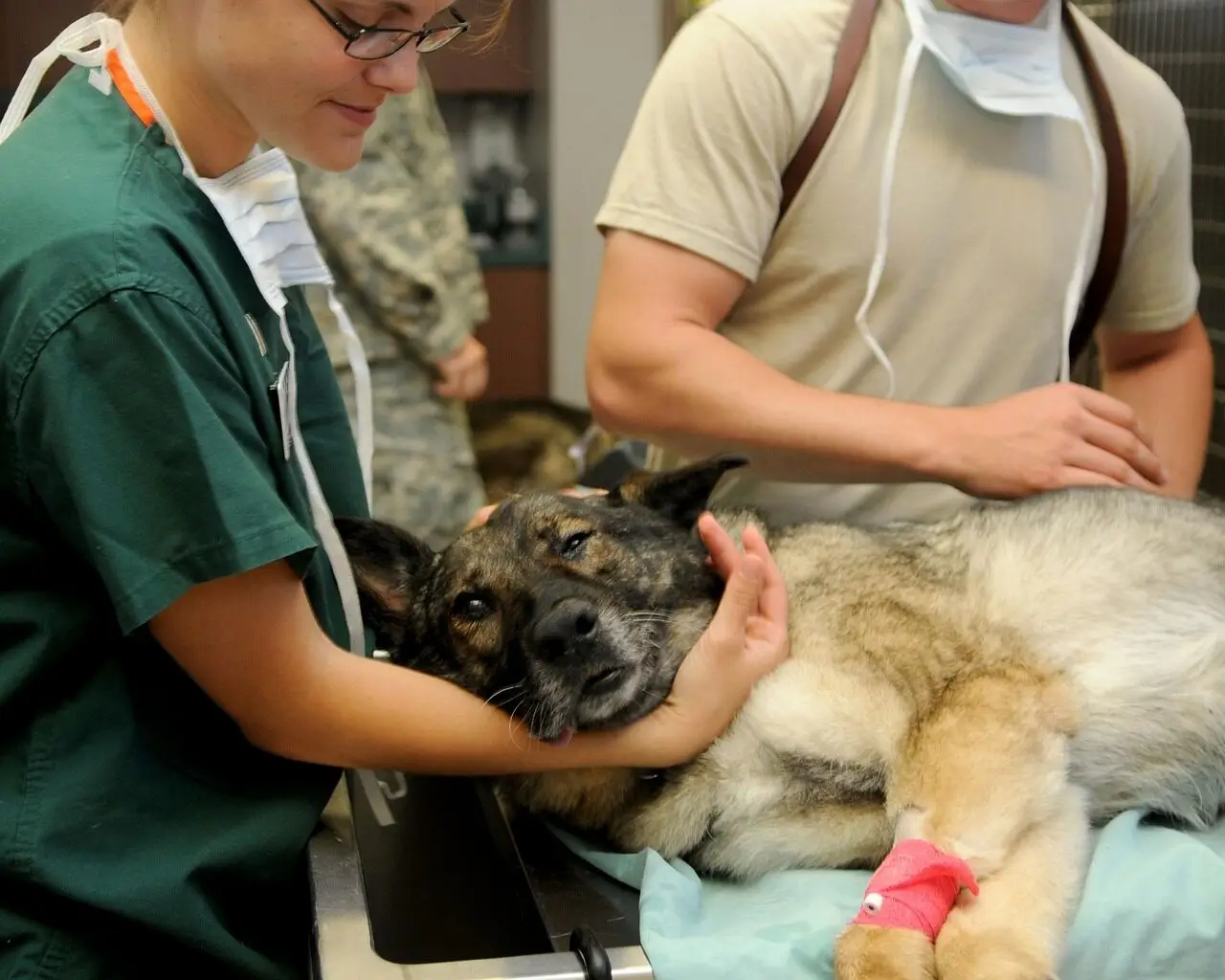
Most giving supports ongoing needs, and that matters. Emergencies are different because they cannot be scheduled. A dog hit by a car, a sudden illness or a case that needs surgery arrives with a bill and a clock. When a rescue’s own fundraising cannot cover the bill, the choice can come down to whether money is available in the next few hours.
That is the gap Without Voices exists to close. Rescues, shelters and clinics send us urgent funding requests with documentation of the emergency. Our team verifies the emergency, the organization and the immediate need. Approved emergencies receive funding distributed directly from donor contributions as quickly as possible. Regular updates and outcome reports then share how funds were used.
Why speed changes the situation
A treatment that starts today is a different treatment from one that starts next week. We are not veterinarians, and we do not give medical advice, but the logic of timing is easy to follow. Our guide to emergency veterinary care explains why speed matters in these moments and why bills arrive faster than most budgets can absorb them.
Funds that are ready beat funds that are chased
A rescue that must start a fundraiser after an emergency begins loses time. A rescue that knows an emergency fund exists can ask for help right away. Your year end gift adds to a fund that stays ready for the next crisis, whenever it comes. We do not promise a specific result for any single gift, and we describe our work in general terms because every emergency is different.
Where emergency funding fits beside other gifts
Emergency funding complements daily support. Think of daily gifts as keeping the lights on and emergency gifts as keeping the door open when something goes wrong. If you already give to a local rescue, an emergency gift to a fund like ours extends your reach to organizations you may never visit. Our post on emergency response funding explains why we chose this focus.
How GivingTuesday Fits Into Your Plan
GivingTuesday describes itself as an international movement that encourages people and organizations to build a more generous world by giving time, money or their voice. It began in 2012 and now runs year-round. Its website lists the 2026 date as December 1. You can read more on the GivingTuesday site, and it is worth a visit if you want to see how other people take part.
For donors, the date is a useful reminder rather than a deadline. Many people use it to make a gift they already planned. Others use it to try something new, such as sharing a cause with a friend or asking a coworker to join in. The movement’s own description includes giving time and voice, not only money, which is a helpful reminder that gifts come in several forms.
Use the date and skip the pressure
Treat the day as a prompt. Decide your total and your causes ahead of time, using the steps above, and make your gift when it suits you. A gift made on December 2 or in January helps an organization just as a gift made on the day does. If an appeal demands that you act within hours, treat that as a pressure tactic and apply the FTC advice described earlier.
Give your voice as well as your money
If your budget is tight this season, sharing an organization’s mission with people who might give is a real way to help. Tell friends why you chose a cause. Share an update you found useful. Ask your workplace whether it offers a gift matching program. These actions cost little and can bring new supporters to an organization you trust.
Plan ahead for next year
The best time to plan a year end gift is well before the season starts. If you enjoyed a calmer, more deliberate approach this year, set a reminder for early autumn next year. Keep a short note about the organizations you checked and why you chose them. Next year’s plan will take a fraction of the time.
One Gift or Several: Choosing a Giving Style
Donors often ask whether it is better to give one larger gift or several smaller ones. The honest answer is that it depends on your goals, your budget and how much checking you want to do. Each style has strengths, and you can mix them.
A single gift to one organization
One gift keeps things simple. You check one organization, you keep one receipt, and you follow one set of updates. It suits donors who value focus and who want to build a relationship with a single group over time. The trade-off is that your support reaches only one kind of need.
Several gifts across causes
Splitting your total lets you support different needs, such as daily care at a local shelter and emergency funding for a crisis elsewhere. The trade-off is time. Each organization needs its own check, and each gift generates its own record. If you choose this route, keep a simple list with the name, date and amount of every gift.
Regular gifts over time
Regular gifts spread your support across the year instead of concentrating it in December. Organizations can plan around steady support, and donors often find that a smaller recurring amount feels easier than a single larger one. Our donation page shows the ways you can give, and you can review your own plans whenever your situation changes.
Gifts of goods and time
Some rescues and shelters accept supplies, and many welcome volunteers. These gifts matter, but ask first. An organization can tell you exactly what it needs and what it cannot store or use. A gift that matches a real need is worth more than a larger gift that creates extra work.
Gifts in honor of someone
Many donors give in honor of a friend, a family member or a pet they have lost. It is a thoughtful way to mark the season. Ask the organization how it handles gifts in honor of someone, and whether it can send a note to the person you name.
Questions to Ask Any Animal Rescue
Good organizations welcome questions. You can ask them by email or phone, or find the answers on a website. Use this list as a starting point and drop any question that does not fit the organization you are checking.
- What does your organization do, and what does it not do?
- What would my gift pay for, described in plain terms?
- How do you decide which animals or requests to support?
- How will I hear about the result of my gift?
- Who can I contact if I have a question after I give?
- Do you share regular updates, and where can I read them?
What good answers sound like
A good answer is specific, calm and honest about limits. It describes what the organization does and admits what it does not do. Without Voices, for example, says openly that it does not intake, foster or house animals, that it does not operate as a traditional rescue and that it does not adopt out animals. That kind of clarity helps you decide whether the organization matches your goal.
What weak answers sound like
Weak answers are vague, urgent and emotional without detail. They dodge the question about use of funds, or they promise that your gift will solve a problem completely. No honest organization can promise that. Emergencies carry uncertainty, and a group that respects you will say so.
Ask about transparency
Updates and outcome reports show whether an organization follows through. Ask how often it shares them and what they include. Our own process includes regular updates and outcome reports, and we are still growing, so we plan to share more stories of animals saved through emergency funding as that work builds. If you want to learn who started our work and why, the about us page tells the story.
Build a Simple One Page Giving Plan
A written plan turns good intentions into a gift you can feel confident about. It does not need to be fancy. A single page, a note on your phone or a few lines in a notebook is enough. The point is to decide before the appeals arrive so that your choices come from your values and not from the pace of your inbox.
Step one: set your total
Decide how much you want to give in total between now and the end of the year. Look at your budget honestly and choose a figure that leaves you comfortable. Write it at the top of the page. Every later choice happens inside that number, which keeps the season from stretching your finances.
Step two: name your goals
Write one or two sentences about what you want your giving to do. For example, you might want to help animals in urgent need, support a local shelter you have visited, or do both. These sentences become your filter. When an appeal arrives, you can ask whether it matches your goals and decide in seconds.
Step three: make a short list
Choose two to four organizations that match your goals. A short list is easier to check and easier to follow than a long one. If you have a favorite local rescue, put it on the list. If you want to support emergency response, add a fund that does that work and describes its process clearly.
Step four: check each name
Use the steps from the earlier section. Confirm status, read the mission, ask about the use of funds and look for updates. Make a quick note beside each name that says what you found. If something looks unclear, either ask a question or remove the name from your list. You never owe an organization a gift.
Step five: give and record
Make your gifts, save the receipts and write the date and amount beside each name. Set a reminder to look for updates in a few months. Following up turns a single gift into a relationship with the work, and it tells you whether to keep the organization on next year’s list.
Talking With Family and Friends About Giving
Giving is often shared. Households give together, friend groups exchange gifts in honor of one another, and workplaces collect donations during the holidays. A little conversation makes these moments smoother and more meaningful.
Giving as a household
If you share finances, agree on a total and on a way to choose causes. One approach is for each person to name a cause and a short reason, then decide together how to divide the total. Another is to rotate the choice each year. Either way, the plan stays visible and everyone knows where the money went.
Giving with children
Young people often respond to animals more than to any other cause. Invite children to help research an organization, read its mission aloud and choose how to divide a small amount. Keep the conversation honest and age appropriate. Focus on the helpful work and leave out the most upsetting details of an emergency.
Giving at work
Some workplaces run holiday giving drives or offer gift matching. If yours does, ask whether you can nominate an organization and how the process works. Share what you learned from your own checks, and invite colleagues to do the same. A shared gift to a carefully chosen fund can mean more than a scattered handful of small ones.
Asking for gifts in lieu of presents
Some people ask friends and family to give to a cause instead of buying presents. If you do this, name the organization clearly, explain why it matters to you and share a link to its official site so that people can check it themselves. That openness builds trust and makes it easy for others to join.
Common Year End Giving Mistakes to Avoid
Most giving mistakes are small and easy to prevent. They tend to happen when donors are busy, moved by a powerful story or worried about a deadline. Knowing the common ones ahead of time gives you a quiet advantage when the appeals pile up.
Giving to the loudest appeal
The appeal that reaches you most often is not always the best match for your goals. Volume reflects marketing effort, not necessarily need or fit. Return to the goals you wrote down and compare each appeal against them. If an organization does not match your goal, you can thank it silently and move on.
Skipping the check
A moving photo is not proof that an organization is registered, clear about its work or reachable after you give. Spend the few minutes it takes to confirm status, read the mission and look for updates. A short check is far easier than trying to recover a gift that went somewhere you did not intend.
Sharing more personal details than needed
A donation form needs a name, a payment method and a way to send a receipt. If a request asks for more than that, ask why. Keep your payment details to secure forms on sites you trust, and avoid sending them through unsolicited messages.
Assuming size equals fit
A large, well known name is not automatically the best home for your gift, and a small organization is not automatically a risk. Judge each one by the same questions: what it does, how it uses funds and how it reports. Small groups often welcome a thoughtful gift and a follow up question more than big ones can.
Forgetting to follow up
The most overlooked step comes after the gift. Read the acknowledgment, save the receipt and look for the next update. Following up closes the loop and tells you whether to give again. Crises can also become turning points for animal welfare, as our post on emergencies and opportunity explores, and updates show you how that change unfolds.
How Without Voices Handles Your Gift
When you give to Without Voices, your gift joins donated funds that we distribute to verified rescues, shelters and clinics facing urgent emergencies. We describe our process openly so that you can judge it for yourself. Here is how it works, in the same four steps we publish on our site.
Emergency request
Organizations facing a crisis submit urgent funding requests along with documentation of the emergency. The documentation gives our team something concrete to review, instead of a story alone.
Verification
Our team verifies the emergency, the organization and the immediate need to ensure legitimacy. This step exists to protect donors and to keep support pointed at animals who truly need it.
Rapid funding
Approved emergencies receive funding distributed directly from donor contributions as quickly as possible. We cover urgent veterinary bills when an organization’s resources fall short, support emergency medical procedures and life-saving surgeries, and provide crisis funding for food, supplies and shelter needs.
Updates and outcomes
Regular updates and outcome reports share how funds were used. We are a growing organization, and we plan to share more stories of animals saved through emergency funding as our work develops. For a plain account of how gifts are used, see our donation breakdown.
Pages for the places people ask about
We also publish pages that explain how emergency funding works for dogs in particular communities, such as our Denver dog rescue page and our Florida dog rescue page. They use the same plain language described here and lead to the same donation form. If you are thinking about a gift tied to a place you care about, those pages are a good place to start.
Frequently Asked Questions
When is GivingTuesday in 2026?
The GivingTuesday website lists the 2026 date as December 1. The movement describes itself as encouraging people to give time, money or their voice, and it now runs year-round. You do not have to give on that day for your gift to matter. Many donors choose a date that fits their own plan.
How much should I give at the end of the year?
There is no correct amount. Choose a number you can give without stress, and decide it before you read the appeals. A steady gift you can repeat is often easier to sustain than a large gift you cannot. If you want to give more over time, you can increase your total next year.
How can I tell whether an animal charity is legitimate?
Confirm its registration, read its mission, ask what your gift would pay for and look for updates. Use public tools such as the IRS Tax Exempt Organization Search, search the organization’s name with words like complaint or scam, and be wary of pressure to give right away. Our vetting checklist walks through each step in more detail.
Does Without Voices run a shelter or adopt out animals?
No. Without Voices does not intake, foster or house animals, does not operate as a traditional rescue, does not provide direct animal care services and does not adopt out animals. We distribute donated funds to verified rescues, shelters and clinics that face urgent emergencies.
What does Without Voices fund?
We distribute emergency funding to organizations in crisis. That includes urgent veterinary bills when an organization’s resources fall short, emergency medical procedures, life-saving surgeries, and crisis funding for food, supplies and shelter needs. We also bridge the gap when an organization’s own fundraising is not enough.
Will I hear what happened after I give?
We share regular updates and outcome reports so donors can see how funds were used. We are still growing, and we plan to share stories of animals saved through emergency funding as that work builds. We do not promise a specific result for any single gift, because every emergency is different.
Next Steps
You now have everything you need to plan your year end giving. Write down the total you want to give. Choose the kind of help that matches your goals. Check each organization with public tools and plain questions. Make your gift when it suits you, and keep your records. If you want your gift to be ready for the next animal emergency, visit Without Voices and give to the fund that sends help to verified rescues, shelters and clinics.
Thank you for taking the time to give thoughtfully. Animals cannot speak for themselves, and a careful gift is one of the kindest things you can do on their behalf this season.