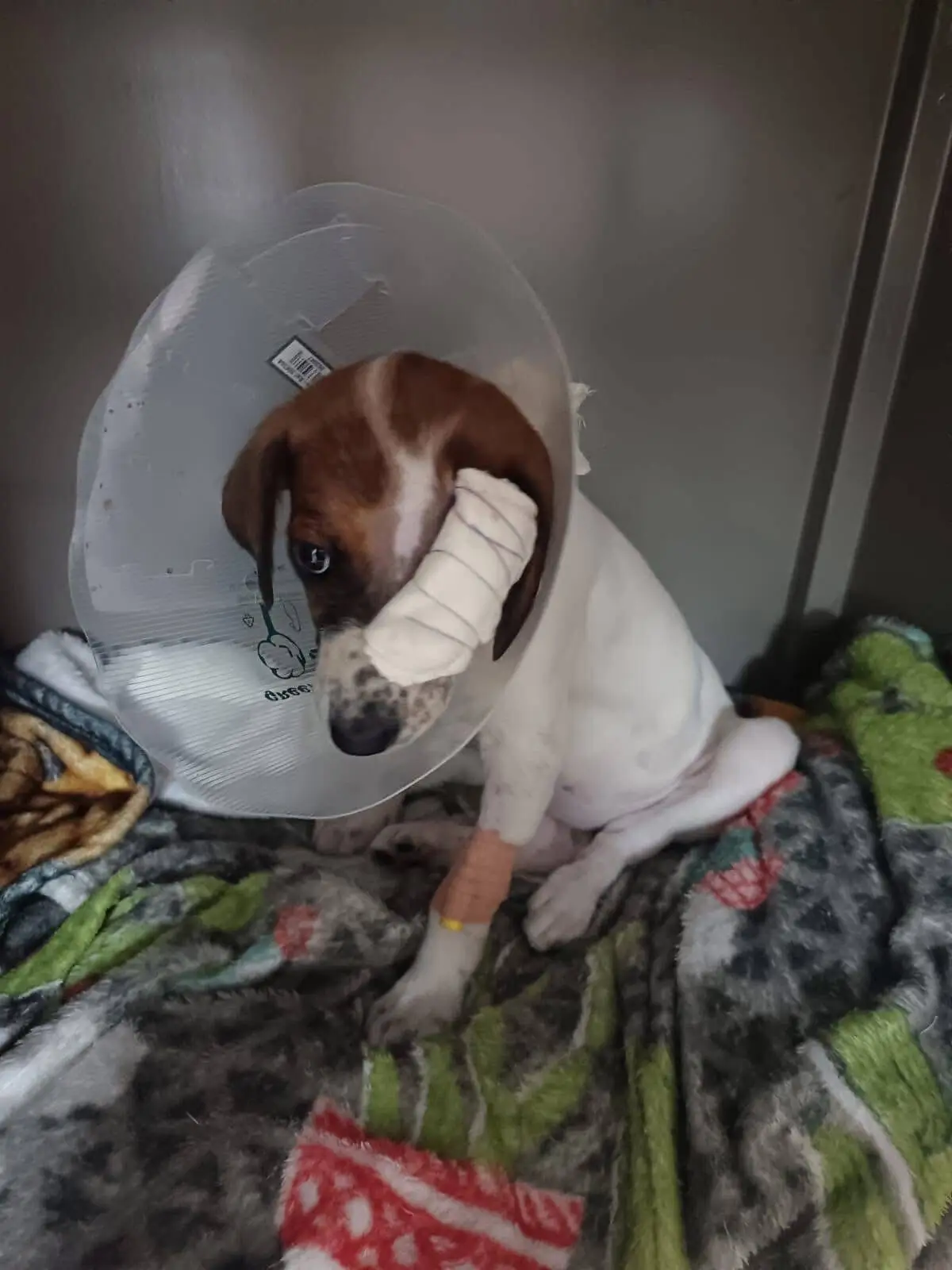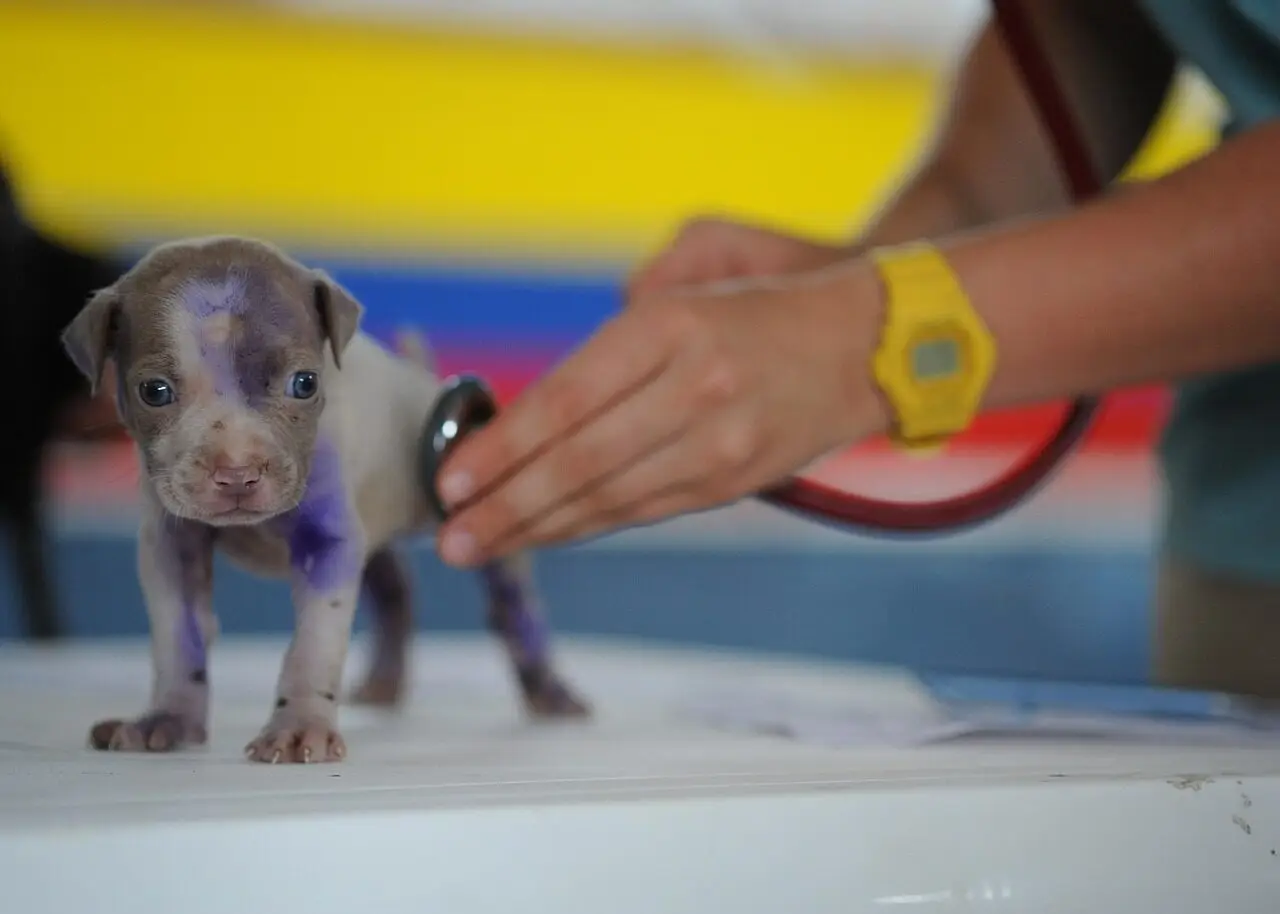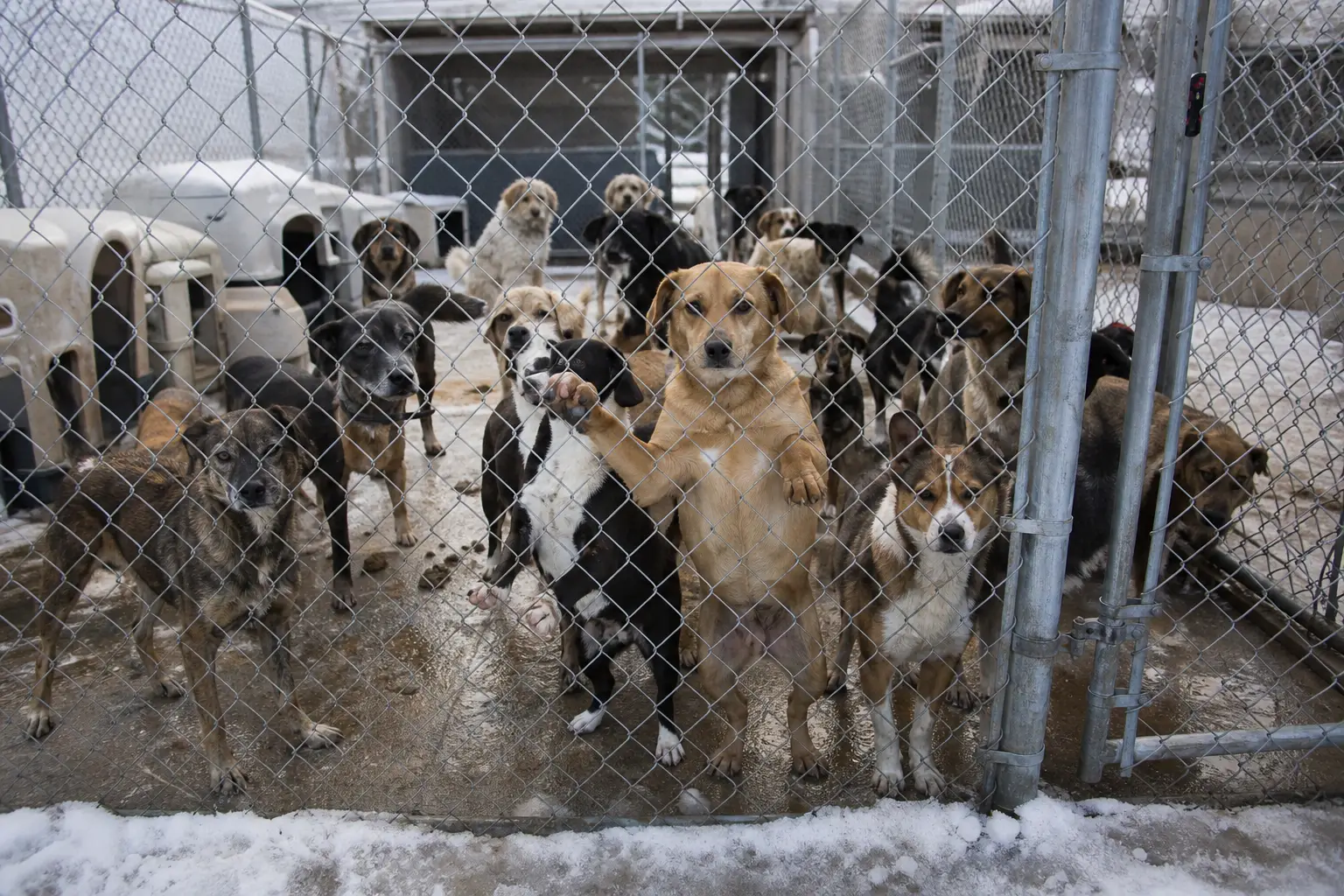
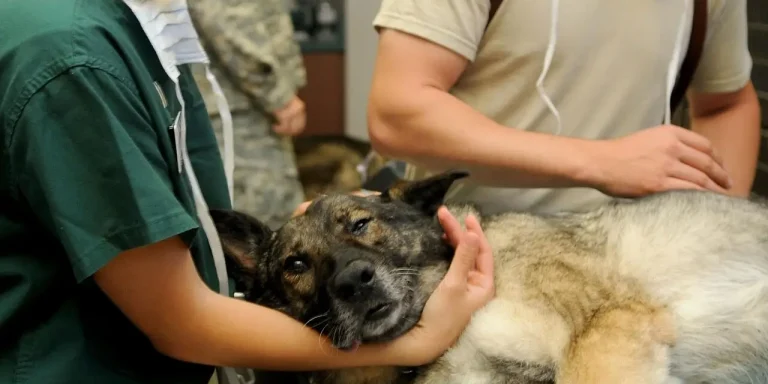
An animal emergency leaves little room for slow decisions. A dog arrives at a clinic with a serious injury. A cat needs surgery that a small rescue cannot pay for. The people caring for that animal need an answer quickly, and a fund that wants to help must respond quickly too. Speed matters, but speed without checking the facts puts everyone at risk, from the donor who trusted the fund to the animal the money was meant to help.
That is why Without Voices verifies every emergency request before funds go out. We are a 501(c)(3) animal emergency fund. We send donated funds to rescues, shelters and clinics that face a crisis and cannot cover the cost themselves. Before a single gift moves, our team looks at the emergency, the organization and the immediate need. This guide explains each step in plain language, so you know what happens between the first request and the final outcome report.
You will also find practical advice here for two groups. If you run a rescue, shelter or clinic, you will see how to prepare a clear request. If you are a donor, you will see what good verification looks like and how to judge any animal charity before you give. Our how we help page covers the same process in a shorter form, and this article goes deeper on each stage.
Why Verification Comes Before Funding
Verification is the step that turns a request into a trusted gift. Donors cannot see an exam room or read a treatment record. They rely on the fund to do that work for them. When a fund checks each request, a donor can give with a clear idea of what happened to the money. When a fund skips the check, the donor has only a hope.
Verification also protects the organizations we serve. A rescue that submits an honest request deserves a process that treats it fairly. The same steps apply to every request, whatever the place or the circumstances, so no organization gets special treatment and none gets overlooked.
The Pressure of an Emergency
In an emergency, people want to act now. That instinct is a good one, and it is also the reason careful steps matter. Urgency can make a weak request look strong and a strong request look rushed. A set process gives a team a way to stay calm and look at the facts. It lets us move quickly without guessing.
Trust Takes Several Checks
No single check proves that a request is sound. Trust comes from several checks working together. Our team looks at three things: the emergency itself, the organization asking for help, and the immediate need. Each one answers a different question. Together they help ensure legitimacy before donated funds are sent.
Our work rests on a simple belief, that no animal should die simply because funding could not arrive in time. Verification is how we keep that belief honest. You can read the story behind it on our about us page.
What Counts as an Animal Emergency
An emergency is a situation in which an animal faces a serious threat and the organization caring for it lacks the resources to respond. Without Voices focuses on this kind of crisis. We distribute emergency funding to organizations in crisis, cover urgent veterinary bills when an organization’s resources fall short, support emergency medical procedures and life-saving surgeries, and provide crisis funding for food, supplies and shelter needs.
The common thread is a gap. The organization has the will and the skill to help an animal, but its own fundraising is not enough to cover what the animal needs right now. We bridge that gap with donated funds. We do not replace the work of the rescue, shelter or clinic. We support it at the moment it is most stretched.
Medical Emergencies
Veterinary care is the most familiar kind of emergency. A serious injury, a sudden illness or a procedure that cannot wait all fall into this group. These costs can arrive without warning, and they can be larger than a small organization planned for. For a closer look at how those costs add up, read our guide on the true cost of emergency veterinary care.
Crisis Needs Beyond the Clinic
Some emergencies are not about a single procedure. An organization may face a crisis in which it cannot cover food, supplies or shelter for the animals in its care. Funds can reach those needs as well. We keep our descriptions broad because every case differs, and the details of a case stay with the partner.
It helps to say what an emergency is not. A routine budget gap with no urgent threat is a different problem. Day-to-day costs matter, but this fund exists for moments of crisis. That focus lets us explain our work clearly, and it explains why we ask for documentation, which is the first step of the process.
Why a Narrow Focus Helps
A fund that tries to help with everything has trouble explaining what it does. A fund that focuses on emergencies can describe its work in a few sentences and apply the same review each time. That clarity helps partners decide whether to ask for help. It helps donors decide whether the fund matches the cause they care about. It also keeps the attention of the team on the moments when speed and care both matter most.
Focus does not make the work easy. Each emergency brings its own details, and each one asks the team to read carefully. But a clear purpose gives the review a shape. The question stays the same from one request to the next: is this a real emergency, from a real organization, with a real and immediate need?
Step One: The Emergency Request and Its Documentation
The process starts when an organization facing a crisis submits an urgent funding request. The request comes with documentation of the emergency. This is the first piece of evidence our team reviews, and it sets the pace for everything that follows.
Documentation can take different forms, and the right form depends on the case. What matters is that the material helps our team understand what happened, what the animal needs and why the organization cannot cover it alone. A request that explains the situation clearly and includes supporting records is easier to review than one that leaves questions open.
Who Can Submit a Request
Rescues, shelters and veterinary clinics are the partners we serve. If your organization faces an emergency and needs urgent funding, we want to hear from you. We would rather review a request and find that it fits than have a good organization stay silent because it was unsure whether to ask.
Why We Ask for Documentation
Documentation gives our team something concrete to check. It also gives the organization a way to show what it is facing. Asking for it is not a sign of doubt about any one partner. It is a step we apply the same way to every request, which keeps the process fair and gives donors a firm reason to trust the result.
Why Honest Detail Helps Everyone
A request works best when every detail is accurate. If the facts change after a request is submitted, say so. Honest detail lets the team review the emergency as it really is, and it protects the trust that makes the whole system work. A partner that shares clear and accurate information is helping the fund protect every donor, including the donors who give to the next request.
Once the request and its documentation arrive, the review begins. That review has three parts, and each one matters.
Step Two: Checking the Emergency, the Organization and the Immediate Need
Our team verifies the emergency, the organization and the immediate need to ensure legitimacy. Those three checks sit at the center of the process, and they work best when read together. An emergency can be real while the organization behind the request is unclear. An organization can be well known while the need is not urgent. We look for all three to line up before approved funding is sent.
Checking the Emergency
The first question is whether the emergency is real and serious. Our team reads the documentation and asks whether it describes a genuine crisis that fits the purpose of the fund. This is where clear records help. A request that describes the situation and the care required lets the team confirm the emergency without long delays.
The review also looks at consistency. The details of a request should fit together. If the documentation describes one kind of crisis and the request describes another, that is a reason to look more closely. A careful reader notices those gaps, and a fund that wants to protect donors has to be that careful reader.
Checking the Organization
The second question is who is asking. We look at the rescue, shelter or clinic behind the request to ensure that it is a legitimate organization. This protects donors from funds going to the wrong place. It also protects honest partners, because a process that checks every organization the same way makes it harder for a request that is not genuine to pass as one that is.
Checking the Immediate Need
The third question is what the organization needs right now. Our focus is on urgent needs, such as a procedure that cannot wait, a veterinary bill that has come due, or a crisis involving food, supplies or shelter. Looking at the immediate need keeps funds tied to a real and present gap instead of a general wish list.
These checks are not a test that an organization passes or fails on one point. They are a way to build a full picture. When the picture is clear, the request moves forward. When it is not, that is a reason to look more closely before any funds go out. Slowing down for a moment at this stage is what allows fast action at the next one.
Why We Use Three Checks Instead of One
A single check leaves room for error. If a team looked only at the emergency, it could fund a real crisis at an organization it knew nothing about. If it looked only at the organization, it could fund a trusted name for a need that was not urgent. Looking at all three closes those gaps. The emergency, the organization and the immediate need each support the others, and a weakness in one is easier to see when the other two are clear.
This approach also keeps the process simple to explain. Partners can prepare for three questions. Donors can remember three questions. And our team can return to the same three questions every time, even when a case feels especially urgent or emotional.
Step Three: Rapid Funding From Donor Contributions
Approved emergencies receive funding distributed directly from donor contributions as quickly as possible. This is the moment the whole process exists for. Verification takes place first so that the funding step can be fast and confident.
The speed matters because an emergency does not pause. A rescue that waits on an answer is also waiting to decide what to do for the animal in front of it. Once our team has verified the request, the goal is to get funds to the partner without adding delay. Each day an organization spends searching for money is a day it is not spending on care.
Where the Money Comes From
The funds behind each approved request come from donor contributions. That is why every gift to the fund matters. It builds the ability to say yes when the next verified emergency arrives. If you want to support that work, you can donate today and know your gift enters a process that has checks built in.
What the Funds Cover
Funds go toward urgent veterinary bills, emergency medical procedures and life-saving surgery. They can also reach crisis needs such as food, supplies and shelter when an organization cannot cover them. We describe uses in general terms, because each case is different and the details belong to the partner organization that cared for the animal.
A donor deserves to know the purpose of a gift even when the full details of a case stay private. That balance is deliberate. It lets the fund explain what it does while leaving the care of each animal with the people who provide it. For a wider look at how a gift connects to results, our post on the math of mercy breaks down where a donation goes.
Why Speed and Care Belong Together
Some people assume that careful review must be slow and that fast action must be careless. We do not accept that choice. Careful review done early makes fast funding possible later, because the team has already answered the hard questions by the time money moves. A request that has been reviewed well can be funded with confidence, and confidence is what allows speed.
The partner benefits as well. An organization in a crisis does not want a long wait or a vague answer. It wants a clear process and a prompt decision. Our steps are built to give it both.
Step Four: Updates and Outcome Reports
Funding is not the end of the process. Regular updates and outcome reports show how funds helped, so donors and partners can see the result. Openness from submission to outcome is part of how we describe our work, and it is part of how we earn trust over time.
Reporting closes the loop. A donor gives because they want an animal to get care. An outcome report answers the question that follows, which is what happened next. Without that answer, even a well-verified gift can feel as though it disappeared into a system the donor cannot see.
Why Outcomes Matter
Outcome reports help donors see what their support made possible. They also help our team review its own work. When we share what happened after funds went out, we hold ourselves to the same standard we ask of partners: clear information, shared plainly. A fund that reports honestly has a reason to keep its process honest too.
A Story That Shaped Our Approach
Our founder’s own experience shows why the outcome matters. He watched a video about a dog named Tiny, helped cover her veterinary bills and saw her go on to make a full recovery. That story is the foundation of Without Voices. It taught us that when help arrives at the right time, lives can be saved, and that someone has to be willing to act. Verification and reporting are how we turn that lesson into a repeatable process.
What Verification Does Not Mean
It helps to be clear about what verification is and is not. Without Voices does not intake, foster or house animals. We do not operate as a traditional rescue, provide direct animal care services or adopt out animals. Our role is funding. The partners we support do the hands-on work. If you want to understand why we chose that narrow role, read why we focus on emergency response funding.
Verification Is Not a Guarantee of an Outcome
Verifying a request tells us that the emergency, the organization and the need hold together. It does not promise that every animal will survive or that every request will be funded. Emergencies are hard, and veterinary care cannot promise a result. What verification does is make sure that funds go toward a real need through a careful process.
Verification Is Not a Judgment of Small Organizations
Many rescues and clinics run with limited means. Asking for documentation does not mean we think less of a small group. A clear and honest request from a small rescue is exactly what the process was built to review. The same steps apply to every request, and the point of those steps is fairness to the partner and to the donor.
Keeping these limits in view helps everyone. Partners know what to expect from us. Donors know what a gift can and cannot promise. Our team keeps its attention on the work it can do well, which is to review requests carefully, fund approved emergencies quickly and report back honestly.
How Verification Protects Donors
A donor takes a step of trust with every gift. A donor often cannot visit the rescue, meet the veterinarian or read the case file. Verification builds a bridge across that distance. It means that someone with a process and a responsibility looked at the request before the money moved.
That protection works in two directions. It guards the donor against paying for a request that does not hold together, and it guards the partner against a fund that sends help slowly or unfairly. A process that both sides can understand is a process both sides can rely on.
A Clear Line From Gift to Request
When you give to Without Voices, your gift joins the donor contributions that fund approved emergencies. Each of those emergencies has passed the same three checks. You do not need to choose a single case. You can give knowing that the fund looks at the emergency, the organization and the need before it sends help.
Checks Donors Can Make Themselves
We encourage donors to look closely at any charity, including ours. The Federal Trade Commission offers FTC guidance that suggests researching the cause and the charity, reviewing its website for how donations are used, confirming registration with your state charity regulator and checking tax-exempt status. The IRS describes its IRS search tool as a way to check whether an organization can receive tax-deductible charitable contributions and to look up its filings.
The same FTC guidance advises giving by credit card or check through the official website of a charity. A separate FTC alert tells donors to find out where their money is going before they give, and it names requests for wire transfers, cryptocurrency, payment apps and gift cards as signs of a scam. These are sound habits for any gift to any cause.
The Same Process Wherever You Give
We have written pages for many places, such as our Illinois dog funding page, our Illinois vet bills page and our Denver vet bills page. Each one explains how a donor can support dog emergencies, and each one rests on the same review. The place changes. The three checks do not.
Warning Signs Worth Noticing
Good habits include knowing what to watch for. The FTC guidance listed above advises donors to avoid rushed decisions, to double-check names that sound alike and to be wary of vague emotional appeals. Those cautions apply to animal charities as much as to any other cause.
A charity that cannot explain what it does, will not describe how it reviews requests or presses you to give before you have had time to think deserves extra questions. You can also compare what an organization says it does with what it shows on its website. Clear descriptions of programs and of how donations are used are a good sign, and the FTC advises caution when that information is hard to find.
How Rescues and Clinics Can Prepare a Strong Request
A strong request helps everyone. It lets our team understand the emergency quickly, and it gives the organization its best chance to move through review without delay. The advice below is general guidance, not a list of rules, but it reflects what makes any urgent request easier to understand.
Tell the Story Plainly
Describe what happened in simple terms. Say what the animal is facing, what care it needs and why that care cannot wait. Avoid long background that hides the main point. A reader should be able to state the emergency in one sentence after reading your first paragraph.
Gather Your Supporting Records
Our process asks for documentation of the emergency, so gather what you have before you write. Records that come from the people providing care carry weight because they describe the situation from the source. Put them in order and make sure they match the details you give in the request.
Be Clear About the Immediate Need
State what you need right now, and be specific about what the funds would address. An urgent veterinary bill, an emergency procedure, a life-saving surgery or a crisis involving food, supplies or shelter are the kinds of needs the fund looks at. If other costs exist, keep them separate so that the urgent need stands out.
Explain the Gap
The fund bridges the gap when the fundraising of an organization is not enough. Say plainly what your organization has already done and where the shortfall remains. Honest information about the gap helps a reviewer see why outside help is needed.
Respond Clearly if Questions Come Up
If a reviewer asks for more detail, answer clearly and promptly, and keep your records close at hand. Short and direct answers keep a review moving and show the care your organization takes with its work.
Plan to Share What Happens Next
Updates and outcome reports are part of our process, so be ready to share how the animal is doing after treatment. Partners who stay in touch help donors see the result of their gifts. Before you submit, check that you can answer these points:
- What is the emergency, in one sentence?
- What records support it?
- What is the urgent need today?
- Where does your own fundraising fall short?
- Who will share an update when treatment is done?
How Donors Can Judge Any Animal Charity
Asking good questions is one of the best things a donor can do. It supports honest organizations and makes it harder for weak ones to grow. You do not need special training. You need a few clear questions and the patience to read the answers.
- What does the organization do, and what does it not do? Look for plain statements. Without Voices, for example, says that it funds partners and does not provide direct animal care.
- How does it review requests? Look for a described process with named steps, not a general promise.
- Does it report back? Updates and outcome reports show whether an organization follows through.
- Can you confirm its legal status? Use the IRS tool and the charity regulator in your state.
- How does it ask for payment? Use the official website and a card or check, as the FTC advises.
Our guide on how to vet a charity turns these ideas into a longer checklist you can use before any gift. If you plan to give near the end of the year, our post on year end giving shows how to plan with the same care.
Read the Language
Clear language is a good sign. An organization that explains its process in plain words gives you a way to hold it to account. Be cautious with vague claims, pressure to give at once, or promises that sound too complete to be true.
Trust Your Questions
If an answer is missing, ask. A charity that welcomes questions shows you how it will treat your gift. Take your time, even in a season of urgent appeals.
Frequently Asked Questions
What does Without Voices verify before sending funds?
Our team verifies the emergency, the organization and the immediate need to ensure legitimacy. Only approved emergencies receive funding from donor contributions. We apply the same review to every request, whatever the place or the circumstances.
Who can submit an emergency funding request?
Rescues, shelters and veterinary clinics that face an emergency and need urgent funding can submit a request with documentation of the emergency. If you are unsure whether your situation fits, reach out and ask. We would rather hear from you than have an animal go without help.
Does Without Voices care for animals directly?
No. Without Voices does not intake, foster or house animals, and it does not adopt out animals or provide direct animal care services. We fund the partners who do that work when their own resources fall short.
How quickly are approved requests funded?
Approved emergencies receive funding as quickly as possible. We do not set a fixed time here, because each case is different. The reason we verify first is so that the funding step can move without delay.
How will I know how my gift was used?
We share regular updates and outcome reports. We describe uses of funds in general terms, such as urgent veterinary bills, emergency medical procedures and life-saving surgery, and we leave the details of each case with the partner organization.
Is Without Voices a registered charity?
Without Voices is a 501(c)(3) animal emergency fund. As with any charity, we encourage you to do your own research before you give, and the FTC guidance above lists steps you can take.
Why does verification matter if the need is urgent?
Verification is what allows urgent help to be trusted. Checking the emergency, the organization and the need before funds go out protects donors and animals alike, and it lets the funding step move quickly once a request is approved. Speed and care work together in our process.
Can a small rescue ask for help?
Rescues, shelters and clinics that face an emergency can submit a request, and the same steps apply to every request. A small organization with a clear and honest request gets the same careful review as any other.
Next Steps
Verification is how Without Voices turns a gift into help that donors and partners can trust. It starts with a documented request, moves through three checks, leads to fast funding for approved emergencies and ends with an outcome report.
If you are a donor, you can give through the form on our donate page and know that your gift joins a process with checks built in. If you lead a rescue, shelter or clinic that faces an emergency, contact Without Voices and submit a funding request with documentation. Either way, you are helping animals who cannot speak for themselves get care when time matters most.