The Unique Challenges Animals Face During Disasters and Emergencies
How Natural Disasters Leave Pets and Wildlife Vulnerable
When Hurricane Katrina struck New Orleans in 2005, thousands of pets were left stranded on rooftops and in flooded homes. Many pet owners refused evacuation because shelters wouldn’t accept their animals, creating a heartbreaking choice between human safety and animal welfare. This scenario repeats itself across the globe whenever disaster strikes.
Natural disasters create unique vulnerabilities for animals that differ significantly from human emergency needs. During wildfires, animals can become disoriented by smoke and flee in panic, often running toward danger rather than safety. Earthquakes trap pets under debris while their owners focus on human survivors. Floods separate animals from families as swift currents carry them downstream.
Wildlife faces equally devastating challenges. Forest fires destroy habitats overnight, forcing animals into unfamiliar territory where they struggle to find food and shelter. Oil spills coat seabirds and marine mammals, requiring immediate specialized veterinary care that most rescue organizations aren’t equipped to provide without emergency funding.
The psychological trauma animals experience during disasters often goes unrecognized. Dogs develop severe anxiety from thunderstorms after experiencing hurricanes. Cats hide for weeks in damaged buildings, too frightened to emerge even for food. These behavioral changes require long-term rehabilitation that extends far beyond the initial emergency response.
The Critical First 72 Hours: When Every Minute Counts
Emergency veterinarians know that the first three days after a disaster determine whether most injured animals will survive. During this crucial window, decisions about resource allocation can mean the difference between life and death for hundreds of animals.
Consider the immediate needs: mobile veterinary units must be deployed, emergency shelters established, and rescue teams coordinated. Food, water, and medical supplies require instant procurement and distribution. Transportation arrangements need confirmation for evacuating animals from danger zones. Each hour of delay compounds the suffering and reduces survival rates.
Recent emergencies highlight how rescue operations require split-second decision making with limited information. Rescue teams often work in dangerous conditions, navigating collapsed buildings or contaminated areas to reach trapped animals. The complexity multiplies when dealing with multiple species, each requiring different medical protocols and housing arrangements.
But here’s what makes animal emergencies particularly challenging: you can’t explain to a terrified dog why strangers are handling them roughly during evacuation. Injured wildlife might bite rescuers despite good intentions. These factors slow response times and increase safety risks for both animals and humans.
Why Standard Fundraising Timelines Don’t Work for Animal Emergencies
Traditional fundraising operates on predictable timelines. Organizations plan campaigns months in advance, build donor awareness gradually, and allow weeks for donations to accumulate. This methodical approach works well for ongoing programs but fails catastrophically during animal emergencies.
When disaster strikes, animals need help immediately, not after a six-week fundraising campaign. A dog trapped in flood waters can’t wait for a charity gala next month. Injured wildlife requires veterinary care within hours, not after grant applications are reviewed and approved.
Standard funding mechanisms create additional delays. Grant applications require detailed project descriptions, but emergency responders can’t predict exactly which animals they’ll encounter or what medical treatments will be needed. Corporate partnerships typically involve lengthy approval processes through multiple departments. Even well-intentioned donors often need time to research organizations before contributing significant amounts.
The disconnect becomes painfully obvious during actual emergencies. While fundraising teams craft compelling appeals and design donation campaigns, animals continue suffering from injuries that could be easily treated with immediate resources. This is why emergency donations require pre-positioned funding that can be deployed instantly when crisis strikes.
The Hidden Costs of Animal Emergency Response
Beyond obvious expenses like veterinary care and shelter supplies, animal emergency response involves numerous hidden costs that catch organizations unprepared. Transportation alone can consume entire emergency budgets when evacuating large numbers of animals from disaster zones.
Specialized equipment represents another significant expense category. Injured wildlife requires species-specific medical tools that most veterinary clinics don’t stock. Large dog rescue operations need industrial washing stations for cleaning animals covered in oil or debris. Temporary shelter construction must accommodate different animal sizes and behavioral needs simultaneously.
Personnel costs escalate quickly during emergencies. Veterinarians command premium rates for emergency callouts, especially in dangerous conditions. Professional animal handlers charge higher fees when working with traumatized or aggressive animals. Security services become necessary when valuable animals are housed in temporary facilities.
Communication infrastructure often gets overlooked until it’s desperately needed. Emergency response requires constant coordination between rescue teams, veterinary facilities, and shelter locations. Satellite phones, mobile internet, and backup power systems cost thousands but prove essential when local communication networks fail.
Understanding the Gaps in Traditional Animal Welfare Funding
Why Grant Cycles Can’t Keep Up with Crisis Timelines
Traditional funding operates on predictable schedules that simply don’t align with animal emergencies. Most grants require 30-90 day application periods, followed by lengthy review processes that can stretch for months. But when a wildfire tears through a community or a hurricane displaces thousands of animals, rescue organizations need funding within hours, not quarters.
The disconnect becomes painfully clear during large-scale disasters. While organizations scramble to set up emergency shelters and coordinate veterinary care, they’re simultaneously filling out detailed budget projections and impact assessments for funding that might arrive long after the crisis has passed. This timing mismatch forces many rescues to operate on credit or deplete their reserves, creating financial vulnerabilities that persist long after the immediate emergency ends.
Grant committees, despite their good intentions, often lack the flexibility to approve emergency funding outside their established review cycles. The very processes designed to ensure accountability become barriers when animals need immediate intervention. Organizations that demonstrate significant impact through their ongoing work still find themselves waiting for approval while animals suffer.
The Overlooked Emergency Needs That Slip Through the Cracks
Traditional animal welfare funding typically focuses on routine operations like spay/neuter programs, adoption services, and facility maintenance. While these programs are essential, they leave critical gaps when emergencies arise. Disaster response requires specialized equipment, emergency veterinary supplies, and rapid transportation that most organizations don’t budget for in their annual planning.
Consider the immediate needs during a natural disaster: portable kennels for evacuation, emergency medical supplies for injured animals, fuel for rescue vehicles, and temporary housing for displaced pets. These costs can quickly overwhelm an organization’s budget, but they rarely appear on traditional grant applications because they’re impossible to predict.
Many funding sources also struggle with the urgency of veterinary emergencies. A case like emergency surgery requires immediate action, but standard funding processes assume organizations have time to research options, gather quotes, and submit detailed proposals. This bureaucratic approach, while necessary for planned expenses, fails animals in critical situations.
How Smaller Rescues Get Left Behind During Large-Scale Disasters
When disasters strike, media attention and funding typically flow toward large, established organizations with strong communication infrastructure. Smaller rescues, often operating in rural areas or serving specific communities, lack the resources to compete for emergency donations or navigate complex grant applications during crisis situations.
These smaller organizations often have the deepest local knowledge and strongest community connections, making them incredibly effective first responders. They know which animals are at risk, have established relationships with local veterinarians, and can mobilize quickly. However, their limited administrative capacity means they struggle to document their needs and impacts in ways that appeal to traditional funders.
The result creates a cruel irony: the organizations best positioned to help animals in their communities often have the least access to emergency funding. While larger organizations receive substantial donations to coordinate regional responses, smaller rescues exhaust their personal savings and volunteer networks just to keep their operations running during extended emergencies.
The Real Impact of Delayed Financial Support
Every day that funding delays persist, the consequences compound. Animals that could receive immediate veterinary care instead suffer while organizations wait for approvals. Rescue capacity shrinks as volunteers burn out from the financial stress of covering expenses personally. Community partnerships deteriorate when organizations can’t fulfill their commitments due to cash flow problems.
The long-term damage extends beyond individual animals. Organizations forced to operate beyond their means during emergencies often face months of financial recovery that limits their ability to help future cases. Staff turnover increases as dedicated professionals face the impossible choice between their financial security and their commitment to animal welfare.
Perhaps most tragically, delayed funding forces impossible triage decisions. Organizations must choose which animals receive care based on available resources rather than medical need. These decisions create lasting trauma for rescue workers and missed opportunities to save lives that immediate funding could have prevented.
The traditional funding model, designed for stability and accountability, inadvertently creates barriers that cost lives during emergencies. Recognizing these limitations is the first step toward developing more responsive approaches to animal crisis support.
How Emergency Response Funding Makes an Immediate Difference
From Evacuation to Recovery: Following the Emergency Response Chain
When disaster strikes, the difference between life and death for animals often comes down to minutes, not hours. Emergency response funding creates a seamless chain of support that begins the moment crisis hits and continues through complete recovery. Unlike traditional fundraising that can take weeks to mobilize, immediate funding allows rescue organizations to deploy resources instantly.
The emergency response chain starts with rapid evacuation and transport. Teams need fuel, carriers, and emergency veterinary supplies before shelters even open their doors. During Hurricane Harvey, organizations that had pre-positioned emergency funding rescued over 6,000 animals in the first 48 hours alone.
Recovery extends far beyond the initial rescue. Animals need ongoing veterinary care, rehabilitation, and placement into new homes. Emergency funding bridges these critical gaps when regular donation streams are overwhelmed by sudden demand. The chain only works when each link is strong and immediate response funding ensures no animal falls through the cracks.
Success Stories: When Quick Action Saved Lives
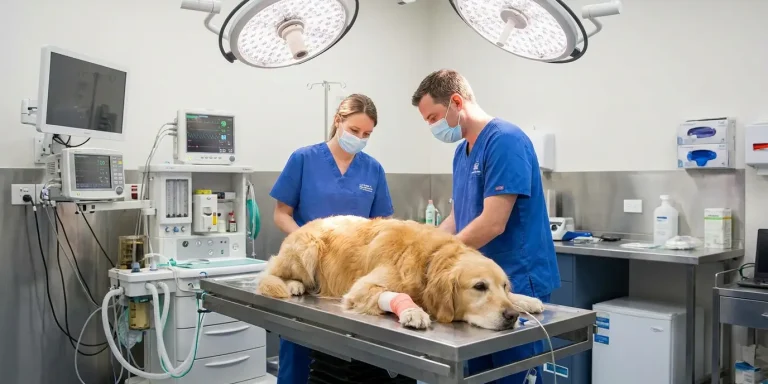
Real impact happens when funding moves as fast as the crisis itself. Take Tiny, a small dog who needed immediate emergency surgery after being found injured during a natural disaster. Without hesitation, emergency funding covered her life-saving treatment, allowing veterinarians to operate within hours rather than waiting for fundraising campaigns.
The speed made all the difference. Tiny received expert care at Hillcrest Veterinary Hospital, underwent successful surgery, and began her recovery immediately. Within months, she found her forever home because emergency funding eliminated the delays that often prove fatal for injured animals in crisis situations.
During the 2020 Australian wildfires, emergency funding enabled rescue teams to establish field hospitals within 24 hours. These mobile veterinary units treated over 2,000 animals directly at disaster sites, providing care that wouldn’t have been possible through traditional funding timelines. Many animals who might have suffered for days received immediate pain relief and medical attention.
The Multiplier Effect of Rapid Emergency Funding
Emergency funding doesn’t just help individual animals. It creates a multiplier effect that amplifies impact across entire communities. When organizations can respond immediately, they prevent smaller emergencies from becoming larger disasters. Early intervention saves resources, reduces suffering, and creates capacity to help even more animals.
Consider how rapid response prevents disease outbreaks in disaster zones. Emergency funding allows teams to provide vaccinations and medical screening immediately, stopping the spread of illness that could affect thousands of animals. The initial investment prevents massive veterinary costs later while protecting both animal and human populations.
Quick funding also supports local veterinary infrastructure during crises. Rather than animals being transported hundreds of miles for care, emergency funding helps establish temporary clinics and supports local veterinarians who stay in affected areas. This approach keeps communities intact while providing immediate care where it’s needed most.
Partnering with First Responders and Local Authorities
Emergency response funding works best when animal rescue organizations integrate seamlessly with official disaster response systems. Professional first responders and local authorities often lack the specialized knowledge and equipment needed for animal rescue, but they control access to disaster zones and coordinate overall relief efforts.
Successful partnerships happen when animal rescue organizations can guarantee immediate funding for joint operations. Fire departments and emergency management agencies need assurance that animal rescue won’t drain their budgets or slow their response times. Pre-established emergency funding eliminates these concerns and creates trust between organizations.
Local authorities appreciate partners who bring resources rather than requesting them. When animal rescue teams arrive with fully funded operations, including their own transport, supplies, and veterinary support, they become valuable allies rather than additional burdens during crisis response.
These partnerships extend beyond individual disasters. Regular collaboration and joint training exercises, funded through emergency response budgets, create relationships that prove invaluable when real disasters strike. First responders learn animal handling techniques while rescue organizations understand official emergency protocols.
Building Resilient Communities for Animals Before Crisis Strikes
Creating Emergency Response Networks That Work
The most effective animal rescue operations during disasters happen when organizations work together, not in isolation. Building these networks before crisis strikes means establishing communication channels, resource-sharing agreements, and coordinated response protocols that can be activated immediately when emergencies unfold.
Successful emergency response networks typically include local animal shelters, veterinary clinics, transport volunteers, foster networks, and temporary housing facilities. These partnerships create redundancy in the system. When one organization becomes overwhelmed or inaccessible during a disaster, others can step in to fill critical gaps. The key is establishing these relationships and testing communication systems during calm periods.
Regional coordination makes the difference between scattered individual efforts and powerful collective impact. Organizations that pool their emergency resources through emergency donations can respond faster and more effectively than any single group working alone. This collaborative approach also reduces duplication of efforts and ensures resources reach the animals who need help most urgently.
Training Local Rescues for Disaster Preparedness
Emergency preparedness training transforms well-meaning animal rescue groups into effective disaster response teams. This training covers everything from animal handling in stressful situations to establishing temporary shelters and coordinating with emergency management agencies.
Many local rescues operate with limited resources during normal times, making it difficult to invest in comprehensive disaster training. However, organizations that receive proactive funding can develop these capabilities before they’re desperately needed. Training programs should include hands-on exercises, evacuation drills, and scenario planning for different types of emergencies.
Veterinary emergency protocols represent another crucial component of disaster preparedness training. Rescues need to understand triage procedures, basic field veterinary care, and how to stabilize animals for transport to proper medical facilities. This knowledge can mean the difference between life and death when professional veterinary care becomes temporarily unavailable during large-scale emergencies.
The Role of Community Education in Prevention
Community education programs create the first line of defense for animals during disasters. When pet owners understand how to prepare emergency kits, create evacuation plans, and identify pet-friendly shelters in advance, fewer animals end up abandoned or lost during crisis situations.
Educational initiatives work best when they’re ongoing rather than reactive. Communities that regularly discuss disaster preparedness for pets see significantly better outcomes when emergencies actually occur. These programs should address practical concerns like microchipping, maintaining current vaccination records, and keeping emergency supplies ready for quick evacuation.
Local businesses and community centers can become valuable partners in these educational efforts. Pet stores, veterinary clinics, and community organizations often have established relationships with pet owners and can help spread critical preparedness information. This grassroots approach reaches people where they already gather and builds awareness gradually over time.
Why Proactive Funding Saves More Lives Than Reactive Giving
Emergency animal funding becomes exponentially more effective when it supports preparedness rather than just response. Organizations that receive consistent support can build infrastructure, train volunteers, and establish partnerships before disasters strike. This proactive approach means they’re ready to act immediately when animals need help most.
Consider the difference between scrambling to donate after seeing disaster footage versus supporting organizations that maintain emergency readiness year-round. Reactive donations often arrive too late for immediate needs and may not address the most critical gaps in response capabilities.
Proactive funding also enables organizations to invest in prevention activities that reduce the overall number of animals needing emergency rescue. Spay and neuter programs, vaccination clinics, and owner education initiatives all contribute to healthier, more resilient animal populations that can better weather crisis situations.
The financial efficiency of proactive versus reactive funding is striking. Every dollar invested in preparedness and prevention saves multiple dollars in emergency response costs. More importantly, it saves animal lives that might otherwise be lost while organizations struggle to mount effective rescue operations from scratch during chaotic disaster conditions.
Building resilient communities for animals requires sustained commitment rather than sporadic emergency responses. Organizations that maintain this long-term perspective create safety nets that protect countless animals before crisis situations even develop into life-threatening emergencies.
What Makes Emergency Animal Funding Most Effective
The Importance of Flexible, No-Strings-Attached Support
When animals face life-threatening emergencies, organizations need funding they can deploy immediately without jumping through bureaucratic hoops. Traditional grants often come with detailed reporting requirements, specific spending categories, and lengthy approval processes that simply don’t work when a shelter is flooded or a wildfire threatens an entire animal sanctuary.
Flexible emergency funding allows rescue organizations to make critical decisions in real-time. Maybe they need to evacuate 200 animals to a temporary facility three states away. Or perhaps they’re dealing with a hoarding situation where animals require immediate veterinary care at multiple clinics. These scenarios demand resources that can be allocated based on urgent need, not predetermined budget categories.
The most effective emergency donations operate on trust rather than restrictions. Organizations that have proven their track record should receive funding they can use where it’s needed most, whether that’s emergency veterinary bills, transportation costs, or temporary housing.
Without this flexibility, rescue groups often face impossible choices. They might have funding earmarked for medical care but desperately need transport vehicles. Or they could have money for food but not for the emergency boarding facilities required during a crisis.
How Technology Enables Faster Response Times
Modern emergency animal funding relies heavily on technology platforms that can process donations and distribute funds within hours rather than weeks. Digital payment systems, automated verification processes, and real-time communication networks have revolutionized how quickly help reaches animals in crisis.
Mobile apps now allow rescue organizations to upload photos, medical reports, and urgent funding requests directly from disaster sites. Donors can see exactly what’s happening and contribute immediately through secure payment platforms. This transparency builds trust while dramatically reducing response times.
GPS tracking and digital mapping help coordinate rescue efforts across multiple organizations. When Hurricane Harvey hit Texas, technology platforms enabled dozens of animal rescue groups to share resources, avoid duplication of efforts, and track which areas still needed help.
Social media integration amplifies urgent appeals beyond traditional donor networks. A single post about emergency surgery can reach thousands of potential supporters within minutes, creating funding momentum that might take weeks through traditional channels.
Automated reporting systems also reduce administrative burden during crises. Organizations can generate impact reports and donor updates with minimal staff time, keeping supporters informed while focusing resources on actual rescue operations.
Measuring Impact When Every Second Matters
Effective emergency funding programs balance accountability with speed, using metrics that matter during crisis situations. Traditional outcome measurements like adoption rates or spay/neuter statistics become less relevant when the primary goal is keeping animals alive through immediate danger.
Real-time impact tracking focuses on lives saved, animals safely evacuated, and emergency medical interventions completed. These metrics provide immediate feedback on funding effectiveness while helping identify gaps that require additional resources.
The best emergency funding initiatives track both immediate outcomes and longer-term recovery metrics. How many animals survived the initial crisis? How quickly were they reunited with families or placed in permanent homes? What ongoing medical care was required?
Digital platforms now enable organizations to provide live updates during emergencies. Donors can see their contributions at work through photos, videos, and real-time statistics showing animals rescued, treated, and safely housed.
Post-crisis analysis becomes equally important for improving future response. Which interventions proved most effective? Where did funding gaps create bottlenecks? How can communication and coordination improve next time?
Transparency and Accountability in Crisis Situations
Emergency situations demand modified approaches to transparency that maintain donor trust without slowing life-saving operations. Organizations need streamlined reporting processes that document fund usage without requiring extensive paperwork during active rescue operations.
Photo and video documentation provides immediate transparency during emergencies. Rescue teams can share real-time updates showing exactly how donations are being used, from purchasing emergency medical supplies to funding transport vehicles.
Financial tracking systems must operate in real-time, allowing organizations to demonstrate responsible stewardship even while making rapid spending decisions. Cloud-based accounting platforms enable immediate expense reporting and fund allocation transparency.
Post-emergency detailed reporting becomes crucial for maintaining long-term donor relationships. Organizations should provide comprehensive breakdowns of how emergency funds were utilized, what outcomes were achieved, and what lessons were learned for future crises.
The most effective programs establish clear accountability protocols before emergencies occur, creating systems that can operate smoothly under pressure while maintaining the transparency donors expect and deserve.
How You Can Support Emergency Response for Animals in Need
Understanding Different Types of Emergency Giving
Emergency animal funding comes in several forms, each serving critical roles during different phases of crisis response. One-time donations provide immediate relief when disasters strike, covering urgent veterinary care, emergency transport, and temporary shelter setup. These donations help organizations respond within hours rather than days.
Crisis-specific giving allows donors to target support toward particular emergencies, like wildfire evacuations or flood rescue operations. This targeted approach ensures resources reach the animals most in need during active disasters.
Emergency fund contributions create pools of pre-positioned resources that organizations can deploy immediately when crisis hits. These funds eliminate the delays that often occur when rescue groups must wait for donations to arrive after an emergency begins.
Corporate partnerships represent another powerful funding stream, bringing substantial resources and operational support during large-scale disasters. Companies can provide everything from transportation and supplies to employee volunteers and communication networks.
Why Monthly Support Creates a Safety Net for Future Crises
Monthly giving transforms how animal rescue organizations prepare for and respond to emergencies. Regular contributions allow groups to maintain emergency supplies, train response teams, and establish partnerships with veterinary clinics before disasters strike.
Predictable funding enables organizations to invest in equipment that makes the difference between life and death during rescues. Specialized transport vehicles, emergency medical supplies, and communication systems all require ongoing maintenance and updates that monthly donors make possible.
Sustained support also helps organizations build relationships with communities before crises occur. This preparation proves invaluable when evacuations happen quickly and trust between rescuers and pet owners becomes critical for successful operations.
Monthly donors provide the stability that allows rescue groups to focus on their mission rather than constantly fundraising. When emergencies demand immediate action, organizations with reliable monthly support can redirect their energy toward saving lives rather than securing resources.
Getting Involved Beyond Financial Contributions
Supporting emergency animal response extends far beyond monetary donations. Volunteers with specialized skills become invaluable during crisis situations. Licensed veterinarians, veterinary technicians, and experienced animal handlers provide expertise that money alone cannot replace.
Transportation volunteers help move animals from danger zones to safety, while those with large vehicles or trailers can transport supplies and equipment to disaster areas. Social media volunteers spread urgent messages about lost pets and coordinate reunification efforts between displaced families and their animals.
Foster families provide temporary homes for rescued animals while permanent solutions develop. Emergency fostering often requires flexibility and understanding that animals may arrive traumatized or injured from their experiences.
Community advocates help educate neighbors about emergency preparedness for pets, ensuring families include their animals in evacuation plans. This education prevents many emergencies before they occur and reduces the strain on rescue resources during disasters.
Choosing Organizations That Prioritize Emergency Preparedness
Effective emergency animal funding requires partnering with organizations that demonstrate clear preparedness strategies. Look for groups that maintain emergency response protocols, pre-positioned supplies, and established relationships with veterinary partners.
Transparent organizations publish their emergency response procedures and provide regular updates on how they use emergency funds. They should demonstrate experience responding to actual disasters, not just theoretical planning.
Geographic considerations matter significantly. Organizations operating in disaster-prone regions need different capabilities than those in more stable areas. Groups covering multiple regions should show coordination abilities and resource-sharing partnerships.
Financial accountability becomes crucial when evaluating emergency-focused organizations. Review how quickly they deploy funds during actual emergencies and what percentage of donations reaches animals directly rather than administrative costs.
The animals facing crisis situations today cannot wait for tomorrow’s solutions. Emergency response funding provides the immediate resources that mean the difference between rescue and tragedy for countless vulnerable animals. Whether through monthly support that builds preparedness capacity, crisis-specific donations that address urgent needs, or volunteer involvement that multiplies impact, every contribution creates a stronger safety net for animals in their most desperate moments. Consider how your support can help build the resilient emergency response systems that protect animals when they need help most urgently.