Understanding the Critical Need for Corporate Support in Animal Emergencies
When natural disasters strike or sudden crises emerge, animals caught in the crossfire face life-threatening situations that demand immediate, large-scale intervention. The difference between life and death often comes down to how quickly rescue organizations can mobilize resources, deploy teams, and establish emergency care facilities.
But here’s the harsh reality: most animal rescue organizations operate on shoestring budgets, making it nearly impossible to respond effectively when hundreds or thousands of animals need help simultaneously. That’s where corporate partnerships become absolutely critical for saving lives on a massive scale.
Why Scale Matters When Disaster Strikes
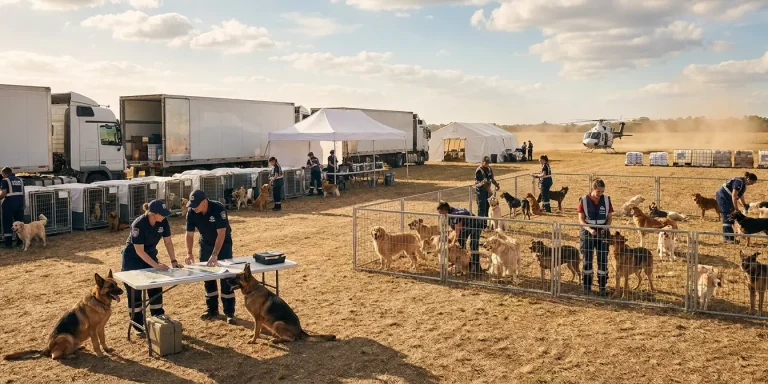
Individual animal emergencies require focused care and resources, but large-scale disasters create entirely different challenges. When hurricanes devastate entire regions or wildfires sweep through communities, rescue organizations suddenly need to coordinate evacuations for thousands of animals, establish temporary shelters, and provide medical care for injuries ranging from smoke inhalation to severe trauma.
The logistics alone are staggering. Teams need transportation for massive evacuations, emergency medical supplies in quantities far beyond normal inventory, and temporary housing facilities that can accommodate different species with varying needs. A single organization’s annual budget might barely cover one week of large-scale emergency operations.
The Resource Gap That Organizations Face During Crises
Most animal rescue organizations face three critical resource gaps during emergencies. First, they lack the financial reserves to purchase emergency supplies and equipment at disaster-level quantities. Second, they struggle to rapidly expand their workforce with trained personnel who can handle high-stress emergency situations. Third, they need immediate access to specialized equipment like mobile veterinary units, transport vehicles, and temporary shelter infrastructure.
Consider the practical reality: when responding to cases like individual emergency rescues, organizations can manage with existing resources. But scaling that response to help thousands of animals requires funding that exceeds what most nonprofits can generate through traditional donation channels alone.
How Corporate Partnerships Transform Emergency Response Capacity
Corporate partnerships bridge the resource gap by providing the financial backing, logistical support, and specialized expertise that enable rescue organizations to operate at crisis-appropriate scales. Companies can contribute everything from direct funding and equipment donations to employee volunteer programs and supply chain management expertise.
These partnerships also enable organizations to maintain emergency response funds and pre-positioned resources, rather than scrambling to raise money after disasters strike. When animals need help immediately, having corporate partners means rescue teams can deploy within hours instead of waiting weeks to secure funding.
Real-World Impact Stories from Recent Large-Scale Operations
The transformation is visible in success stories where corporate support enabled comprehensive emergency response. Organizations with strong corporate partnerships can establish field hospitals, coordinate multi-state evacuations, and provide ongoing medical care while animals recover from trauma.
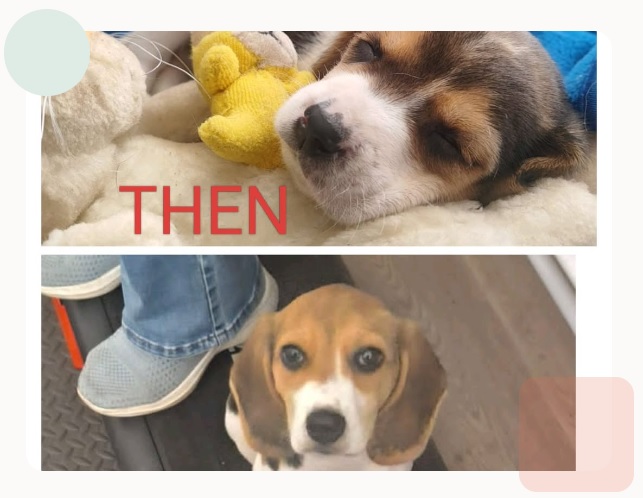
These partnerships don’t just save more lives during emergencies. They enable follow-up care that helps animals transition successfully to permanent homes, similar to how sustained treatment programs support individual recovery journeys but multiplied across hundreds of animals simultaneously.
Identifying and Approaching the Right Corporate Partners
Mapping Companies with Aligned Values and Missions
The most successful corporate partnerships begin with shared values around animal welfare and emergency response. Start by identifying companies that already demonstrate commitment to humanitarian causes through their existing corporate social responsibility programs. Pet food manufacturers, veterinary supply companies, and agricultural businesses naturally align with animal rescue missions.
Look beyond the obvious candidates though. Transportation companies value logistics expertise, which directly translates to emergency relief operations. Tech companies focused on innovation often support organizations that use data-driven approaches to maximize impact. Financial services firms frequently seek partnerships that demonstrate measurable community outcomes.
Research Strategies for Finding Partnership-Ready Businesses
Effective research goes far deeper than browsing company websites. Use platforms like Guidestar and Foundation Directory to identify corporations with established giving patterns in animal welfare or disaster relief. LinkedIn can reveal key decision-makers in corporate philanthropy departments, while press releases often highlight recent partnership announcements.
Pay attention to companies experiencing positive news cycles or milestone celebrations. A pet supply retailer opening new locations might welcome partnership opportunities that generate positive community engagement. Similarly, businesses facing public relations challenges sometimes seek meaningful partnerships to rebuild their reputation through genuine charitable work.
Annual reports and sustainability statements provide goldmines of information about corporate priorities. Companies publishing detailed environmental, social, and governance (ESG) metrics typically have budget allocated for strategic partnerships that support their stated values.
Creating Your Initial Outreach Strategy
Your outreach approach should reflect the scale of partnership you’re seeking. For major corporations, target corporate foundation managers or CSR directors rather than general contact forms. Mid-sized businesses often respond better to approaches through local chambers of commerce or industry associations.
Personalize every communication by referencing specific company initiatives or values that align with emergency animal relief. A brief mention of how successful rescue operations demonstrate measurable impact resonates with data-driven executives. Include concrete examples of previous partnership successes, but keep initial communications focused on mutual benefit rather than immediate asks.
Timing Your Approach for Maximum Impact
Corporate budget cycles heavily influence partnership decisions. Most companies finalize their charitable giving budgets between October and December, making late summer the optimal time for initial conversations. However, emergency relief partnerships sometimes operate outside normal funding cycles, particularly when companies maintain dedicated disaster response funds.
Monitor industry events and company announcements for strategic timing opportunities. A veterinary equipment manufacturer launching new products might welcome partnerships that demonstrate their equipment’s real-world impact during animal emergencies. Companies announcing expansion into new markets often seek local partnership opportunities to establish community connections.
Avoid approaching companies during their busy seasons or immediately following negative news coverage. Instead, time your outreach to coincide with positive company milestones, award announcements, or the launch of new corporate responsibility initiatives.
Building Compelling Partnership Proposals That Get Results
Crafting Clear Value Propositions for Corporate Stakeholders
Corporate decision-makers need to see exactly what they’ll get from supporting your animal rescue organization. Start with concrete outcomes: “Your partnership will enable us to rescue 500 animals during the next wildfire season” speaks louder than vague promises about “helping animals in need.”
Focus on business benefits that matter to them. Brand visibility during emergencies, employee engagement opportunities, and measurable community impact all resonate with corporate goals. When presenting our rescue programs, we emphasize how partners gain authentic storytelling opportunities that showcase their values in action.
Demonstrating Measurable Impact and Accountability
Numbers tell the story that emotions can’t. Include specific metrics like rescue response times, animals saved per dollar donated, and survival rates post-rescue. Corporate sponsors want proof their investment creates real change, not just feel-good moments.
Build transparency into every proposal. Offer quarterly impact reports, photo documentation of rescue operations, and detailed budget breakdowns. When corporations see exactly where their money goes (50% direct rescue operations, 30% emergency supplies, 20% veterinary care), they’re more likely to commit long-term funding.
Addressing Common Corporate Concerns and Objections
The biggest objection? “How do we know you’ll be ready when disaster strikes?” Address this head-on by sharing your emergency protocols, response team credentials, and past performance during actual crises. Show them you’re not just hoping to help – you’re systematically prepared to deliver results.
Budget concerns run second. Corporations worry about throwing money into a black hole during chaotic emergencies. Combat this by presenting detailed cost projections for different disaster scenarios and explaining how their contribution scales impact. A $10,000 donation might fund one week of emergency shelter, while $50,000 could support a full mobile veterinary unit deployment.
Creating Flexible Partnership Tiers That Work for Different Budgets
Not every company can write six-figure checks, but they still want meaningful involvement. Design partnership levels that provide value at different investment points: Bronze partners ($5,000) might sponsor emergency supply kits, while Platinum partners ($100,000+) could fund entire mobile rescue operations.
Include non-monetary partnership options too. Companies with logistics expertise might provide transportation during evacuations, while tech firms could offer communication systems for coordinating rescues. This approach opens doors with organizations that have valuable skills but limited cash budgets.
Including Emergency Response Plans in Your Proposals
Corporate partners need to see your disaster readiness blueprint. Detail your 24-hour response protocols, staff deployment procedures, and equipment inventory. When they understand you have systems for everything from initial rescue coordination to post-disaster animal rehabilitation, confidence in your organization grows exponentially.
Share real examples from past emergencies. Reference specific cases where quick action saved lives, showing potential partners the direct impact their support enables during critical moments when every minute matters.
Structuring Partnerships for Emergency Readiness
Setting Up Rapid-Response Funding Mechanisms
The most critical aspect of emergency preparedness is having funds ready to deploy immediately. Traditional approval processes can take weeks, but animals in crisis need help within hours. Successful partnerships establish pre-authorized funding pools that can be accessed the moment disaster strikes.
Create tiered funding structures with your corporate partners. A technology company might commit $50,000 for immediate deployment, while larger corporations could pledge $200,000 or more. These funds should sit in dedicated accounts with pre-signed authorization forms, allowing rescue teams to begin operations while paperwork catches up later.
Consider establishing automatic triggers based on disaster declarations. When FEMA declares a major disaster, pre-agreed donation amounts activate automatically, eliminating delays that could mean the difference between life and death for affected animals.
Creating Pre-Approved Emergency Activation Protocols
Emergency protocols must be crystal clear and tested regularly. Document every step from initial disaster assessment to fund deployment and field team activation. Your corporate partners need to understand exactly what happens when you call for emergency support.
Develop decision trees that outline different scenarios and responses. A hurricane requires different resources than wildfires, and urban disasters present unique challenges compared to rural emergencies. Pre-approved protocols should specify resource allocation, personnel deployment, and communication responsibilities for each scenario type.
Regular drills with your corporate partners ensure everyone knows their role when real emergencies hit. These exercises reveal gaps in planning and build confidence in your organization’s emergency response capabilities.
Establishing Clear Communication Channels for Crisis Situations
During emergencies, normal business hours don’t exist. Establish 24/7 communication channels with designated contact persons at each corporate partner. Create redundant systems including primary contacts, backup personnel, and emergency escalation procedures.
Implement real-time reporting systems that keep partners informed throughout emergency operations. Regular updates showing how their contributions directly impact rescue efforts maintain engagement and support for ongoing operations. Share specific stories about animals saved, like those featured in our rescue documentation, to demonstrate tangible results.
Consider creating a dedicated emergency communication app or platform where partners can receive immediate updates, approve additional funding requests, and coordinate resources in real-time during active operations.
Building in Flexibility for Different Types of Animal Emergencies
Not every animal emergency involves natural disasters. Disease outbreaks, hoarding situations, and transportation accidents all require different responses and resources. Partnership agreements should address this variety with flexible funding and resource allocation mechanisms.
Create modular response packages that can be combined based on emergency type and scale. A basic package might include emergency veterinary care and temporary sheltering, while expanded packages add transportation, specialized equipment, and extended care capabilities.
Build geographic flexibility into agreements, allowing partners to support operations beyond their local markets. A corporate partner in New York should be able to contribute to wildfire relief efforts in California, maximizing the impact of available resources when and where they’re needed most.
Managing and Nurturing Long-Term Corporate Relationships
Maintaining Engagement Between Emergency Events
Corporate partnerships in animal rescue work face a unique challenge: emergencies are unpredictable, creating natural lulls in activity. During these quieter periods, many organizations make the mistake of going silent, only to reach out when the next crisis hits. But successful partnerships require consistent touchpoints throughout the year.
Smart animal rescue organizations schedule quarterly check-ins with corporate partners, sharing updates on preparedness initiatives and training programs. They send monthly newsletters highlighting rescue stories, facility improvements, and community outreach efforts. This steady communication keeps your organization top-of-mind when companies are making annual giving decisions.
Providing Regular Updates and Impact Reports
Corporate donors want tangible proof their investments are making a difference. They need specific metrics and compelling stories to justify continued support to their stakeholders. Create a systematic reporting schedule that goes beyond simple thank-you notes.
Quarterly impact reports should include rescue statistics, animals treated, partnerships activated during emergencies, and cost-per-animal metrics. Include photos and brief stories (like the journey of animals who found homes) to humanize the data. Annual reports can dive deeper into long-term outcomes and strategic improvements funded by corporate support.
These reports serve dual purposes: they demonstrate accountability while providing corporations with content they can share with employees and other stakeholders. Many companies use these stories in their own CSR communications.
Creating Opportunities for Employee Involvement
Corporate partnerships flourish when employees feel personally connected to your mission. Beyond financial support, companies want engagement opportunities that boost employee morale and team building.
Organize volunteer days where corporate teams can help with facility maintenance, socialization programs, or administrative tasks. During non-emergency periods, host educational sessions about animal care, rescue protocols, or disaster preparedness. Some companies appreciate skills-based volunteering, where marketing teams help with campaigns or IT professionals assist with database management.
Employee involvement creates internal champions within your corporate partners. When staff members have personal experience with your work, they become advocates for continued partnership during budget planning seasons.
Celebrating Successes and Recognizing Partner Contributions
Recognition is a powerful relationship tool that many rescue organizations underutilize. Corporate partners invest significant resources in animal rescue work, and they deserve public acknowledgment for their contributions.
Feature corporate partners prominently in success stories, press releases, and social media content. Create partnership spotlights that highlight specific contributions during emergency responses. Annual recognition events (even virtual ones) provide networking opportunities while celebrating shared achievements.
Consider creating partnership awards that recognize different types of contributions: rapid response support, long-term commitment, employee engagement, or innovative collaboration approaches.
Planning for Partnership Growth and Expansion
Strong relationships naturally evolve over time. Regular partnership reviews should assess what’s working well and identify opportunities for deeper collaboration. Perhaps your initial emergency funding partnership could expand to include facility improvements or community education programs.
Document lessons learned from each emergency response and share these insights with corporate partners. This transparency builds trust while demonstrating your commitment to continuous improvement. Forward-thinking partners often appreciate being part of strategic planning conversations about expanding rescue capabilities or developing new programs.
Maximizing Impact Through Strategic Partnership Coordination
Coordinating Multiple Corporate Partners During Large Operations
When disaster strikes and multiple corporate partners mobilize simultaneously, coordination becomes your lifeline. The most successful large-scale operations establish a clear command structure from day one, designating lead partners for specific functions while maintaining open communication channels across all participants.
Create a real-time coordination hub using shared digital platforms where all partners can track resource deployment, volunteer assignments, and funding allocations. During Hurricane Harvey’s aftermath, rescue organizations that implemented centralized coordination systems processed 40% more animals than those managing partnerships individually.
Establish daily briefings with all corporate partners to prevent resource duplication and identify emerging gaps. These 15-minute check-ins transform chaotic relief efforts into synchronized operations that maximize every donated dollar and volunteer hour.
Leveraging Corporate Networks and Connections
Your corporate partners possess networks that extend far beyond their immediate resources. Smart rescue organizations recognize that each partner company connects to suppliers, sister companies, and professional networks that can exponentially multiply impact.
Encourage partners to activate their vendor relationships for emergency supplies, their employee networks for volunteer recruitment, and their industry connections for additional funding sources. When one pharmaceutical company partner reached out to their distribution network during a large-scale puppy mill rescue, they secured transportation services worth $50,000 at no cost.
Document these extended network contributions carefully. They often represent the hidden value that transforms good partnerships into extraordinary ones, providing leverage points for future emergency responses.
Creating Collaborative Campaigns That Amplify Reach
Individual corporate partners have loyal audiences, but collaborative campaigns create something bigger than the sum of their parts. Design joint messaging that allows each partner to maintain their brand identity while supporting a unified call to action.
Develop campaign materials that partners can customize with their logos and messaging while maintaining consistent core content about the emergency situation and funding needs. This approach lets a tech company emphasize innovation in rescue operations while a pet supply retailer highlights direct animal care, both driving supporters toward the same emergency fund.
Cross-promote success stories across all partner platforms. When partners share each other’s impact stories, audience trust increases because the endorsement comes from a trusted brand rather than just the rescue organization itself.
Measuring and Communicating Collective Impact
Tracking collective impact requires sophisticated measurement systems that attribute success fairly while celebrating the power of collaboration. Develop dashboards that show individual partner contributions alongside collective achievements, ensuring every supporter understands how their participation connects to the larger success.
Create impact reports that tell the complete story, from initial emergency response through long-term rehabilitation outcomes. These comprehensive reports become powerful tools for securing future partnership commitments and expanding your corporate network.
The true measure of strategic partnership coordination lies not just in immediate crisis response, but in building a sustainable network ready for the next emergency. Each successful collaboration strengthens your organization’s capacity to respond when animals need help most, creating a foundation for even greater impact in future operations.