Why Fall Becomes a Critical Period for Animal Rescue Organizations
Most animal rescue organizations catch their breath after Labor Day weekend, assuming the summer surge is finally over. Then September hits, and the reality sets in: the phones keep ringing, intakes keep climbing, and the exhaustion that seemed temporary suddenly feels permanent. Fall isn’t a quiet season for animal welfare teams. It’s actually when the pressure intensifies in ways many nonprofits don’t anticipate until they’re already underwater.
This seasonal shift catches experienced rescue workers off guard every single year. The difference between summer chaos and fall complications isn’t just about volume. It’s about the type of cases coming through the door, the changing environment that creates new crises, and the volunteer burnout that happens right when you need your team most. Understanding why fall presents such a critical period for animal advocacy organizations means the difference between staying afloat and collapsing under the weight of unmet needs.
Understanding the seasonal surge in animal intakes
When September arrives, most rescue organizations see intake numbers that rival or exceed their peak summer months. But here’s what makes this different from July and August: these aren’t casual animal emergencies. They’re crisis situations driven by behavioral shifts, breeding cycles that are reaching their peak, and animals that have struggled all summer and finally reached a breaking point.
The numbers tell the story. Shelters across the country report that September intakes jump 15-25% compared to baseline operations. That means if your rescue was handling 40 animals a week in June, you’re looking at 50-60 by mid-September.
But capacity doesn’t expand with demand. Your foster network is tired. Your medical staff is exhausted.
Your kennels are already full from the summer crunch you thought was ending.
What drives this surge? Unfixed animals from backyard breeding operations finally produce their final litters before temperatures drop. Families who got puppies and kittens in spring realize they can’t manage growing animals that need training and socialization.
Behavioral issues that were manageable when animals had outdoor space become unmanageable when weather changes and pets spend more time inside. Strays that survived summer heat now compete for resources as other animals also seek shelter from approaching cold.
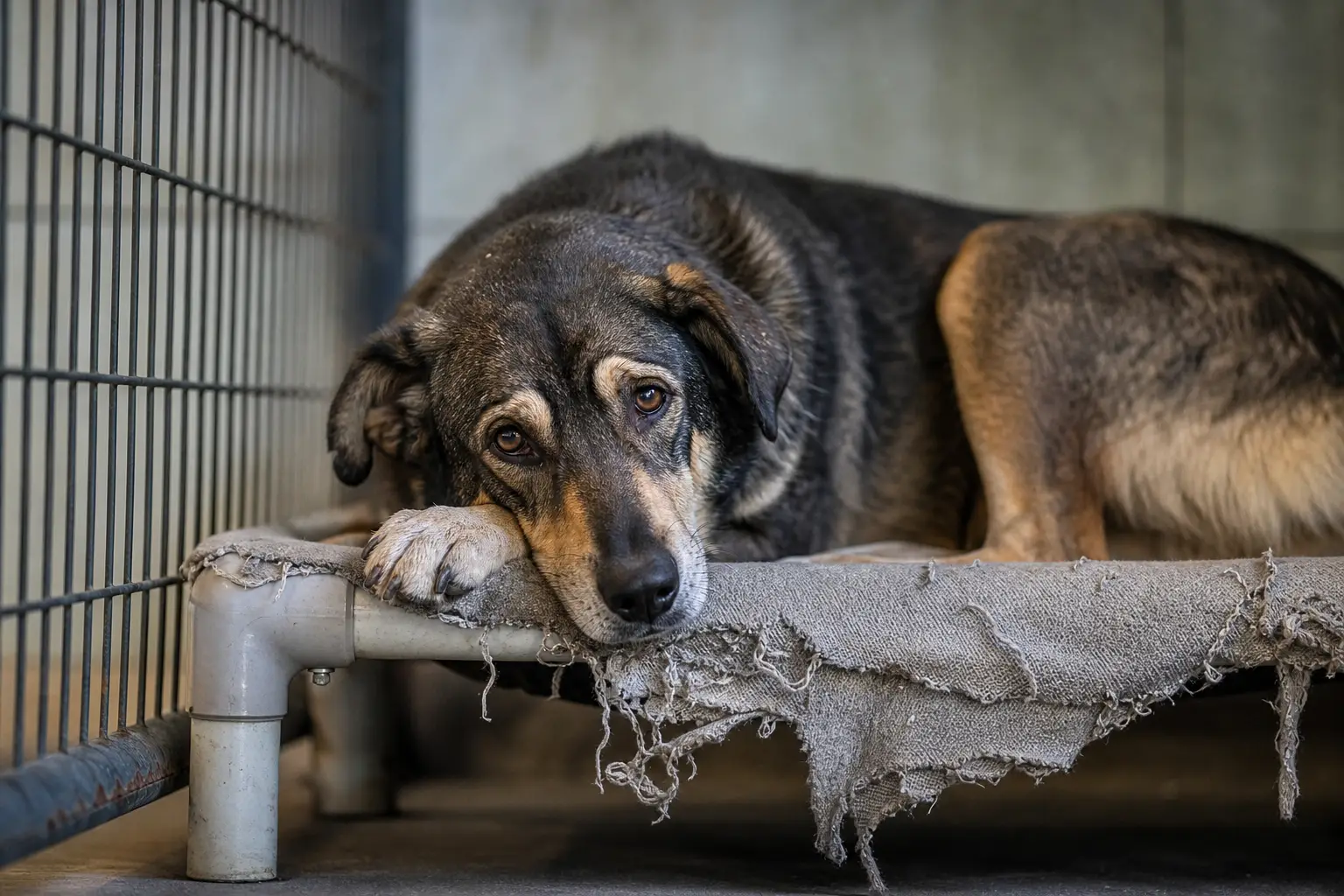
The trauma-informed perspective matters here too. These aren’t animals arriving in good condition. They’re malnourished, injured, fearful, and showing signs of extended neglect. Your medical intake team needs to process more complex cases at exactly the moment when they’re running on fumes. Understanding the seasonal nature of these intakes helps organizations prepare, but preparation requires resources most nonprofits don’t have readily available without emergency animal donations and strategic planning.
How weather transitions impact wildlife populations
Fall weather transitions don’t just affect domesticated animals. They trigger a cascade of behavioral changes in wildlife that directly increases rescue calls and intakes. Animals are moving, migrating, seeking new shelter locations, and competing for dwindling food sources in ways that create human-animal conflict situations your rescue wasn’t equipped to handle.
Raccoons, opossums, squirrels, and other urban wildlife are actively seeking winter dens and food caches before temperatures drop. That means they’re entering attics, crawl spaces, and garages at higher rates. Residents call animal control.
Animal control calls rescues. Your team suddenly has sophisticated wildlife cases requiring specialized knowledge and equipment alongside the domestic dog and cat caseload you’re already managing.
Bird populations shift dramatically as migration season intensifies. Injured migratory birds show up at intakes. Collision injuries increase. Exhausted birds need rehabilitation resources your shelter likely doesn’t specialize in. And if your region sits along major migration routes, this becomes a significant operational strain on small animal welfare teams.
Temperature fluctuations also mean rapid changes in outdoor animal populations. Animals born in spring are now juvenile and vulnerable. They’re competing in harsh conditions. Stray populations that seemed manageable in summer become increasingly desperate. The community starts seeing more animals in distress, and the calls increase exponentially.
Staffing challenges as volunteer availability shifts post-summer
Here’s the painful reality that catches most rescue organizations off guard: your volunteer base evaporates right when you need it most. Summer volunteers who worked flexibly around vacation schedules disappear. School starts.
Families reprioritize. The college students who helped throughout July go back to campus. Your regular volunteers who’ve been doing this for years show visible signs of burnout.
At the exact moment intakes surge, your staffing drops 20-40%. Some organizations report even steeper declines. You have fewer hands for medical care. Fewer people for socialization. Fewer drivers for transport and rescue operations. Your core staff transitions from sustainable operations into crisis mode, and nobody plans for that transition effectively.
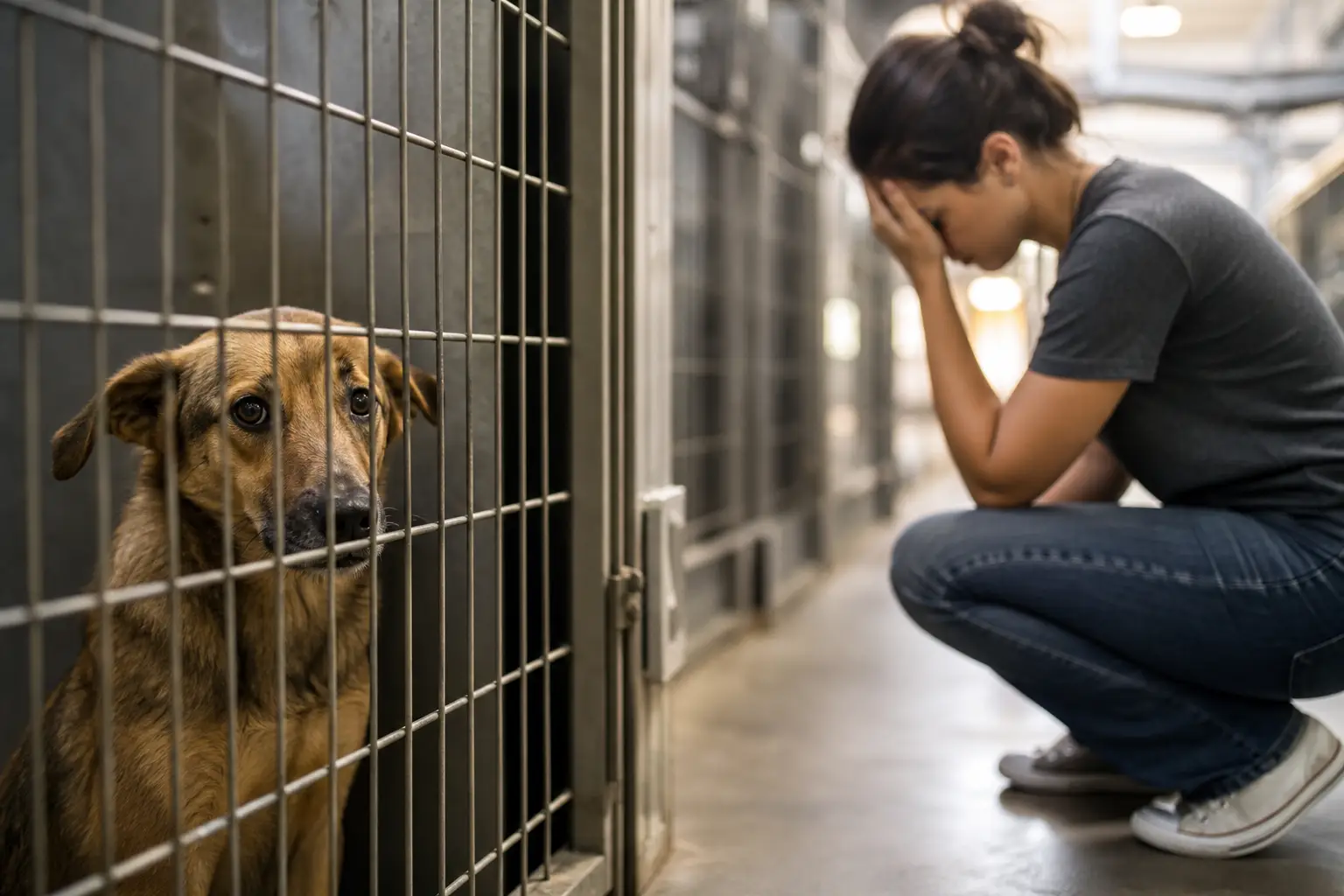
Burnout prevention becomes impossible when you’re understaffed during peak season. Trauma-informed care requires time and attention your remaining team can’t provide. Staff injuries increase when people are working overhours under stress. Mistakes happen. And then your best people leave, creating a turnover spiral that takes months to recover from. Understanding this staffing reality means building coalitions with other organizations and securing resources like emergency response protocols before September arrives.
Wildlife Displacement and Migration Complications
Navigating confused migration patterns in urban and rural areas
When temperatures drop after Labor Day, wildlife doesn’t follow a predictable calendar. Migration patterns that once relied on consistent environmental cues have become increasingly chaotic, and animal welfare teams are bearing the brunt of this unpredictability.
Fall migration used to be straightforward. Animals sensed dropping temperatures and shorter daylight hours, triggering instinctive movements toward warmer territories or better food sources. But climate volatility has scrambled these signals.
A warm September followed by an early frost sends confused birds, bats, and mammals into overdrive. Flocks arrive at their destination too early, only to find resources depleted or conditions unsuitable. Others lag behind, caught in unexpected cold snaps.
In urban areas, this confusion creates dangerous intersections between wildlife and human infrastructure. Migratory birds collide with buildings and power lines at unprecedented rates during fall passage. Bats seeking shelter find their way into attics and office buildings where they pose no real threat but terrify occupants.
Deer wander through suburban neighborhoods at odd hours, disoriented and stressed. Rural rescue operations face equally pressing challenges, from displaced waterfowl landing in agricultural areas to elk herds straying into populated zones earlier than historical patterns would suggest.
Animal advocacy organizations working to understand these patterns face a critical knowledge gap. Historical data about migration timing doesn’t match current reality, making it harder to anticipate where animals will appear and what kind of care they’ll need. A rescue team that prepared resources based on last year’s seasonal timeline might find themselves overwhelmed or understaffed when animals arrive weeks earlier than expected.
The real-world impact plays out daily. A wildlife rehabilitation center in the Midwest might receive twenty confused songbirds in a single week, each requiring assessment, care, and space. A rural animal welfare network sees increased calls about disoriented deer in areas where they rarely ventured five years ago. These aren’t isolated incidents. When emergency response funding becomes unavailable, these operations collapse under the pressure.
Orphaned and separated animals during seasonal transitions
Fall doesn’t just displace animals. It separates them from their families and support networks at the exact moment they’re most vulnerable.
Young animals born in spring and early summer haven’t fully matured by late August. They’re still learning survival skills from their parents when migration pressure mounts. Some families get separated during the chaos of movement.
A fawn loses its mother in a highway crossing. Juvenile bats become detached from their maternity colonies during pre-migration reorganization. Young deer or elk calves, not yet strong enough for long-distance travel, get left behind when herds move faster than expected.
The welfare implications are severe. Orphaned animals can’t forage efficiently, don’t know safe migration routes, and lack the physical resilience of their parents. They’re also more vulnerable to injury, disease, and predation. Animal nonprofits receive influxes of these animals starting in late August and continuing through September and October, stretching rescue capacity to breaking points.
Separation also happens at the human-animal boundary. Domestic animals get loose during the chaos of seasonal transitions. Pets spooked by changes in animal behavior or unusual wildlife activity escape their homes. Lost cats and dogs add to the rescue workload during a period when shelters already manage elevated intake.
Raising orphaned wild animals requires specialized expertise, appropriate nutrition formulated for specific species at specific life stages, and round-the-clock monitoring. A single bottle-fed fawn costs hundreds of dollars monthly. A colony of juvenile bats needs precise temperature control and species-specific insect diets. These animals also carry trauma from separation and displacement, requiring what many in animal advocacy now recognize as trauma-informed care protocols.
Managing increased wildlife-human conflicts as animals seek shelter
As fall intensifies, animals actively seek shelter, food, and water in places humans occupy. This proximity creates conflict that animal welfare teams must manage carefully and skillfully.
A raccoon family raids a residential trash bin looking for calories before migration. A bat colony roosts in a church bell tower. Deer browse ornamental landscaping. Geese congregate at retention ponds in office parks. None of these situations are inherently dangerous, but humans perceive them as threats or nuisances, triggering calls to animal control and rescue organizations.
The challenge isn’t the animals’ behavior. It’s the community’s response. Without understanding that these animals are displaced and desperate, residents default to lethal removal or inhumane exclusion practices. Animal welfare organizations must intervene, educate, and provide humane alternatives. This requires staff time, resources, and community partnerships. Organizations working to build these connections understand that building corporate partnerships creates the infrastructure needed to respond at scale.
Fall is when animal advocacy becomes most visible and demanding. The seasonal crises don’t pause for staffing constraints or budget limitations. Without adequate support and resources, rescue teams burn out rapidly, animals suffer preventable harm, and communities default to approaches that contradict core animal welfare values.
Resource Constraints Facing Shelters and Rescue Teams
Facility overcrowding during peak fall intake periods
When Labor Day passes, animal rescue organizations across the country brace for a wave of incoming animals that strains even well-managed facilities to their limits. Shelters that operated comfortably through summer suddenly find themselves turning animals away or operating at 150% capacity. This isn’t random bad luck. It’s the predictable collision of seasonal factors: families relocating before school starts, landlords enforcing no-pet policies as leases turn over, and weather events displacing wildlife.
The math is brutal. A shelter designed to house 80 animals safely now holds 120. Kennels meant for single dogs hold pairs. Medical isolation spaces convert to regular housing. Staff members who’ve been managing a sustainable rhythm for months pivot overnight to crisis mode, juggling intake procedures with routine medical care that can’t be postponed.
Overcrowding creates a cascading problem that extends beyond mere discomfort. When animals live in tighter quarters, stress levels spike. This triggers behavioral issues in perfectly adoptable animals and accelerates disease transmission in populations already vulnerable to illness.
A respiratory infection spreads through a crowded shelter faster than staff can contain it. One animal’s medical emergency becomes a domino effect affecting dozens.
The physical infrastructure buckles under the pressure too. Cleaning schedules fall behind. Equipment gets heavy use without proper maintenance windows.
And perhaps most critically, the human element suffers. Staff working mandatory overtime for weeks burns out rapidly. Burnout leads to shortcuts, missed observations, and eventually, turnover at exactly the moment when experienced hands matter most.
Funding gaps after the summer donation cycle
Summer brings charitable giving energy. People donate when they’re thinking about their pets on vacation, when they see cute animal content on social media, when community fundraising events draw donors to tents and booths. Then Labor Day arrives and something shifts in the nonprofit landscape.
Corporate summer campaigns wind down. Individual donors redirect their giving toward back-to-school causes. The pipeline of funds that sustained operations through August suddenly runs dry just as operational costs spike dramatically.
Rescue teams face a fundamental math problem: expenses increase while revenue decreases. More animals in care means higher food costs, more medical supplies, increased utility bills from running facilities at capacity. Vet clinics require more hours. Transportation networks expand to move animals between shelters. Yet donations drop precisely when they’re needed most.
This timing creates what animal advocates call the fall funding gap. Organizations that relied on summer contributions to build operational reserves find those reserves depleted by September’s demand. Emergency response protocols become not theoretical exercises but daily operational reality. Some shelters defer equipment maintenance. Others reduce veterinary hours, stretching existing staff thinner. The worst outcomes involve difficult choices about which animals receive medical care and which ones wait.
Without predictable funding streams during fall months, rescue organizations struggle to maintain the quality of care their animals deserve. This is where how we help matters most. Strategic support during seasonal crunch periods prevents the crisis cycles that harm animals and destabilize organizations.
Medical and nutritional demands of distressed animals
Animals arriving at shelters in fall carry the accumulated stress of seasonal transitions. Many are malnourished or dehydrated. Some carry injuries or untreated infections from weeks on their own. Older animals struggle with temperature changes. Young animals show signs of trauma from separation or mistreatment.
The medical workload expands exponentially. Intake exams reveal conditions that require immediate intervention. Dental disease, parasitic infections, chronic pain, behavioral issues stemming from anxiety. Each animal demands individualized nutrition plans because a standard kibble rotation won’t support animals recovering from neglect or illness.
Nutritional support becomes particularly complex during fall intake surges. Animals in distress have compromised immune systems and need higher-quality proteins, additional supplementation, and careful feeding schedules to rebuild health. Medical animals require specialized diets. Underweight animals need calorie-dense nutrition. Senior animals benefit from softer food and smaller portions.
The cost multiplies rapidly. Quality food suitable for rescue populations runs significantly higher per animal when volume increases. Veterinary services expand beyond routine preventive care into emergency interventions. Pain management. Behavioral support through medication or supplements. Diagnostic testing for animals with unclear health histories.
Staff managing this medical complexity work within tighter margins than ever. Fewer available veterinarians. Longer wait times for specialist referrals.
The animals themselves show behavioral stress from crowding, which sometimes masks underlying medical issues. A stressed animal might appear to have primarily behavioral problems when actually their fear and anxiety stem from untreated pain or illness.
Preparing Infrastructure and Teams for Autumn Demand
Building operational capacity before the fall rush begins
August might feel like a quiet month for many animal rescue organizations, but it’s actually when the smartest teams lay the groundwork for what’s coming. September kicks off a sustained period of increased intake, weather-related emergencies, and resource strain that can cripple unprepared operations. The time to build capacity is now, before animals arrive at your doors stressed, injured, or in crisis.
Start by auditing your current infrastructure honestly. How many animals can your shelter or foster network actually house right now? What’s your medical equipment status, and when did you last service your vehicles?
These aren’t glamorous questions, but they matter more than any fundraising campaign when a injured animal needs immediate care. Many rescue teams discover gaps only after they’re already overwhelmed, at which point fixing problems becomes exponentially harder and costlier.
Partner with news outlets to publicly commit to your fall capacity goals. This creates accountability and signals to donors that you’re thinking strategically. It also opens conversations about emergency response funding, which many organizations need but hesitate to request.
Budget realistically for the season ahead. If you typically see a 40% increase in intakes during fall months, your supply, staffing, and veterinary budget needs to reflect that reality. Under-resourced operations inevitably make poor decisions (understaffing shifts, delaying medical care, stretching foster networks too thin), which leads to burnout and, worse, animals suffering preventable complications.
Training protocols for seasonal and new volunteers
Your volunteer base is your operational lifeline during the fall rush. But volunteers who arrive untrained aren’t actually helpful, no matter how enthusiastic they are. Trauma-informed handling of frightened or abused animals requires skills that can’t be improvised on the fly. Starting a robust training program in late August means your volunteers are competent and confident when you need them most.
Design tiered training that matches volunteer roles. Someone doing administrative work needs different preparation than someone working directly with animals. Create clear, documented protocols for common scenarios (handling fearful dogs, recognizing signs of illness, safely transporting injured animals).
Make training accessible, not a barrier to entry. A four-hour session plus a shadowing shift is reasonable. A ten-week certification program will lose you half your volunteers before they even start.
Include trauma-informed approaches in your training. Many animals entering rescue have histories of abuse or neglect. Staff and volunteers who understand this reality handle animals with more patience and insight, reducing re-traumatization and preventing dangerous behavioral escalations. This matters for animal welfare and it matters for preventing volunteer burnout as well.
Build peer mentorship into your structure. Pair experienced volunteers with new ones, especially during the first few weeks of the busy season. This approach has proven successful in rescues managing high intake situations. Document lessons learned from one season to the next so your training evolves based on actual challenges your organization faces.
Emergency response readiness for weather-related incidents
Fall weather is unpredictable. Early ice storms in the Midwest, unexpected flooding in coastal regions, or rapid temperature drops in mountain areas can all trigger animal emergencies your team needs to anticipate. Emergency readiness isn’t paranoia, it’s professional animal advocacy.
Develop specific protocols for weather emergencies now. When temperatures drop below freezing unexpectedly, do your foster homes have guidelines for bringing outdoor animals inside? If severe weather forces an evacuation, how do you safely transport and shelter rescued animals? Test these plans on paper before you need to execute them under pressure.
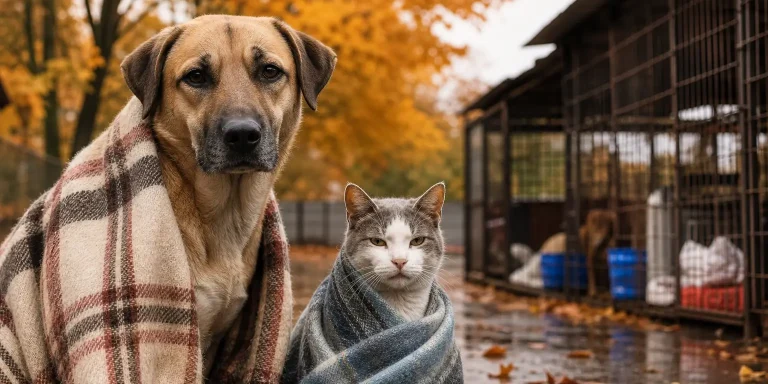
Stock emergency supplies specifically for seasonal incidents. Extra blankets, heating pads, de-icing supplies for paws, and backup generators aren’t luxuries. They’re necessities that become critical during fall and winter weather events. Shelters managing animal populations across regions, like those supporting chicago cat rescue and denver emergency cat, know that weather preparedness directly impacts survival rates.
Establish clear communication chains for weather alerts. Volunteers and staff need to know how you’ll notify them of closures, emergency protocols, or urgent requests for support during bad weather. Unreliable communication during crises causes duplication, missed assignments, and animals slipping through gaps in coverage.
Create mutual aid networks with other rescues in your region. When one organization gets overwhelmed by weather-related intakes, building coalitions with neighboring rescues prevents any single group from facing impossible situations alone. This actually prevents burnout for teams and ensures animals get distributed to facilities with capacity to care for them properly.
Community Engagement Strategies for Fall Rescue Work
Educating the public on fall wildlife safety and reporting procedures
Fall migration and seasonal transitions create a surge in wildlife encounters that most communities aren’t prepared for. When residents find injured birds, displaced raccoons, or confused deer in their neighborhoods, they often don’t know what to do. That’s where education becomes your rescue operation’s lifeline.
Effective public education campaigns need to happen early, ideally in late August before the crisis hits. Partner with local schools, community centers, and libraries to distribute materials explaining common fall wildlife scenarios. Include specific guidance: what to do if you find a fledgling bird (leave it alone, watch from a distance), how to safely report injured animals (call dispatch with exact location), and why securing garbage and pet food matters when wildlife is desperate for resources.
Social media becomes a trauma-informed communication tool during this period. Share real photos of animals your teams have actually rescued, paired with clear reporting numbers and response expectations. Transparency about what your team can and cannot handle prevents frustrated calls and helps community members direct animals to the right resources. When residents understand your limitations, they become partners in the solution rather than sources of frustration.
Host public workshops in early September focused on recognizing distressed wildlife and understanding humane containment. Many well-meaning people accidentally injure animals by grabbing them with bare hands or placing them in dangerous containers. Teaching proper carrier use, how to recognize signs of shock, and when to call professionals builds a network of informed community advocates who become force multipliers for your rescue operations.
Mobilizing donor support during critical resource shortages
Fall resource constraints require transparent, urgent communication with your donor base. Unlike spring rescue pushes, autumn funding needs often surprise supporters who aren’t aware that fall brings distinct challenges. Emergency animal donations fuel your response, but donors need to understand why September and October demand different resources than summer months.
Create specific, limited-time funding appeals tied to concrete needs. Rather than vague “help us save animals” messages, identify exact gaps: “We need $3,000 for specialized traps for displacement situations” or “Emergency veterinary care costs have spiked 40% since Labor Day.” Detailed appeals perform better because they help donors visualize their impact. When someone understands their $250 covers three days of emergency shelter supplies, engagement deepens.
Leverage storytelling from your current rescue cases. Share updates from animals like those documented in rescue stories to keep donors emotionally connected to your mission. Progress reports showing how fall rescues unfold build momentum and justify additional funding requests as situations evolve.
Consider tiered donor recognition specifically for fall contributors. Recognition programs that acknowledge seasonal supporters create loyalty for future crisis periods. Monthly giving options help smooth your funding through the volatile autumn months when individual large donations may decrease but overall need increases dramatically.
Partnering with local businesses and organizations for supplies and volunteers
Fall brings student volunteers and motivated professionals back to communities after summer travels, creating prime recruitment windows. Develop partnerships with colleges, corporate volunteer programs, and civic organizations now, before peak rescue season hits in October. Businesses looking for employee engagement opportunities often have budgets specifically earmarked for Q4 giving and volunteering.
Supply chain partnerships become critical when your shelter’s needs expand rapidly. Approach local veterinary clinics, pet supply retailers, and feed companies with concrete partnership proposals in August. Organizations running successful programs understand that corporate partnerships strengthen. Many businesses will donate supplies, provide discounts, or loan equipment if they understand your seasonal timeline and impact metrics.
Create a community coalition specifically designed for fall rescue coordination. Include animal control officers, wildlife rehabilitators, veterinary clinics, transport networks, and foster families. Regular coalition meetings during August and September prevent duplication, identify gaps in coverage, and build the collaborative infrastructure that prevents burnout on individual teams.
Document and publicize partnership successes. When a local business donates supplies or volunteers contribute meaningful hours, share those stories publicly. Recognition strengthens current relationships and attracts additional partners who see the visibility and community appreciation their involvement generates.
Long-Term Solutions and Prevention Initiatives
Habitat restoration projects that reduce seasonal displacement
Fall displacement happens because it has to, not because it’s inevitable. When animals lose their natural habitats to urban expansion, weather changes, or environmental degradation, rescue organizations inherit the crisis. The real solution sits upstream: restoring the spaces where wildlife can thrive without human intervention.
Habitat restoration isn’t romantic idealism. It’s operational math that actually prevents the emergency calls animal welfare teams dread when September rolls around.
Organizations leading habitat restoration projects see measurable results within seasons. Wetland restoration in migration corridors reduces injured waterfowl intake by 30-40% in fall months. Native vegetation planting creates natural barriers that protect smaller mammals from predators and weather exposure.
When animal nonprofits partner with environmental groups on these initiatives, they’re not just helping nature, they’re reducing their own case load during peak season. A rescue team with fewer fall intakes has capacity for the most critical cases, prevents staff burnout, and actually stays sustainable long-term.
Colorado, New York, and Oregon demonstrate how regional habitat work directly serves rescue operations. Communities investing in restoration see their animal welfare organizations shift from reactive emergency mode to proactive community health. The funding model works because prevention always costs less than treatment. Supporting habitat projects alongside creates a dual-track approach that strengthens the entire ecosystem.
Policy advocacy for improved animal welfare protections
Individual rescue efforts matter enormously, but they’re treating symptoms while policy shapes the disease. Every animal nonprofit knows this truth: without legal protections that prevent animal abuse and enforce standards, you’re fighting an endless battle. Fall rescue operations prove this point repeatedly.
Animals arrive traumatized, injured, and underweight because the systems allowing their mistreatment remain unchanged. Policy advocacy isn’t separate from rescue work. It’s the infrastructure that makes rescue sustainable.
Effective policy advocacy focuses on concrete protections that matter in fall months specifically. Stronger animal cruelty statutes with enhanced penalties deter abandonment before winter arrives. Mandatory microchipping laws reduce lost pet intake by 25-35% according to shelter data nationwide.
Building codes requiring wildlife-safe architecture prevent animal injuries during urban development. Transit regulations protecting animals during transport eliminate unnecessary suffering before they even reach rescue doors.
The organizations understanding why emergency response also understand that permanent change requires legislative courage. Advocacy coalitions combining animal nonprofits, corporate partners, and community voices carry more weight than isolated organizations. They’re building networks that actually move policy forward, not just asking for donations to manage crises created by inadequate protection systems.
Building sustainable funding models for year-round operations
Fall rescue surge ends. Winter comes. Spring arrives.
Yet most animal nonprofits operate like rescue is seasonal because their funding is seasonal. Donors give when media covers heartbreaking cases. Adoption events spike in spring.
Then summer hits, giving crashes, and fall arrives with the organization running on fumes. This cycle prevents traumainformed care and burns out staff who’ve carried the weight of inadequate resources for months. Sustainable funding models interrupt this pattern completely.
Organizations moving toward sustainable models combine multiple revenue streams designed to flow consistently. Recurring donor programs build predictable revenue that covers baseline operations year-round. Corporate partnerships create stable funding relationships rather than one-time sponsorships. Endowments provide cushion for seasonal spikes without requiring emergency appeals each fall. Grant funding from foundations explicitly targeted at prevention and long-term impact supplements emergency donations during crisis periods. Understanding building corporate partnerships means recognizing that businesses invest in stability, not just crisis response.
Fall brings new challenges, but these challenges are surmountable when animal welfare organizations have resources matching their scope. Habitat restoration prevents displacement before it happens. Policy advocacy stops abuse at the source.
Sustainable funding models let rescue teams stay present, capable, and genuinely helpful year-round. This is the work that actually saves lives, prevents traumatic cycles, and builds communities where animals aren’t periodic emergencies but valued members deserving protection by design. Without Voices supports this comprehensive approach because partial solutions fail the animals needing real change.
Your support of these initiatives, whether through emergency donations or sustained partnership, creates the foundation that makes every rescue possible.
Related Posts
- A Small Dog Named Tiny Needs Emergency Help
- Tiny Receives Treatment at Hillcrest Veterinary Hospital
- Tiny Finds Her Forever Home
- Building Corporate Partnerships for Large Scale Animal Emergency Relief Operations
- Emergency Response Protocols When Animal Rescue Donations Are Critically Needed
- Help Save This Brave Little Puppy – Urgent Eye Surgery Needed
- Why We Focus on Emergency Response Funding for Animals in Crisis