
The Back-to-School Season and Pet Abandonment Surge
Every September, animal advocates brace themselves. The calendar flips to month nine, summer ends, and across shelters and rescue operations nationwide, intake numbers spike dramatically. But this isn’t a coincidence tied to weather or seasonal behavior alone. What animal welfare professionals understand, and what most pet owners never consider, is that September represents a perfect storm of human life changes that directly impacts animal welfare.
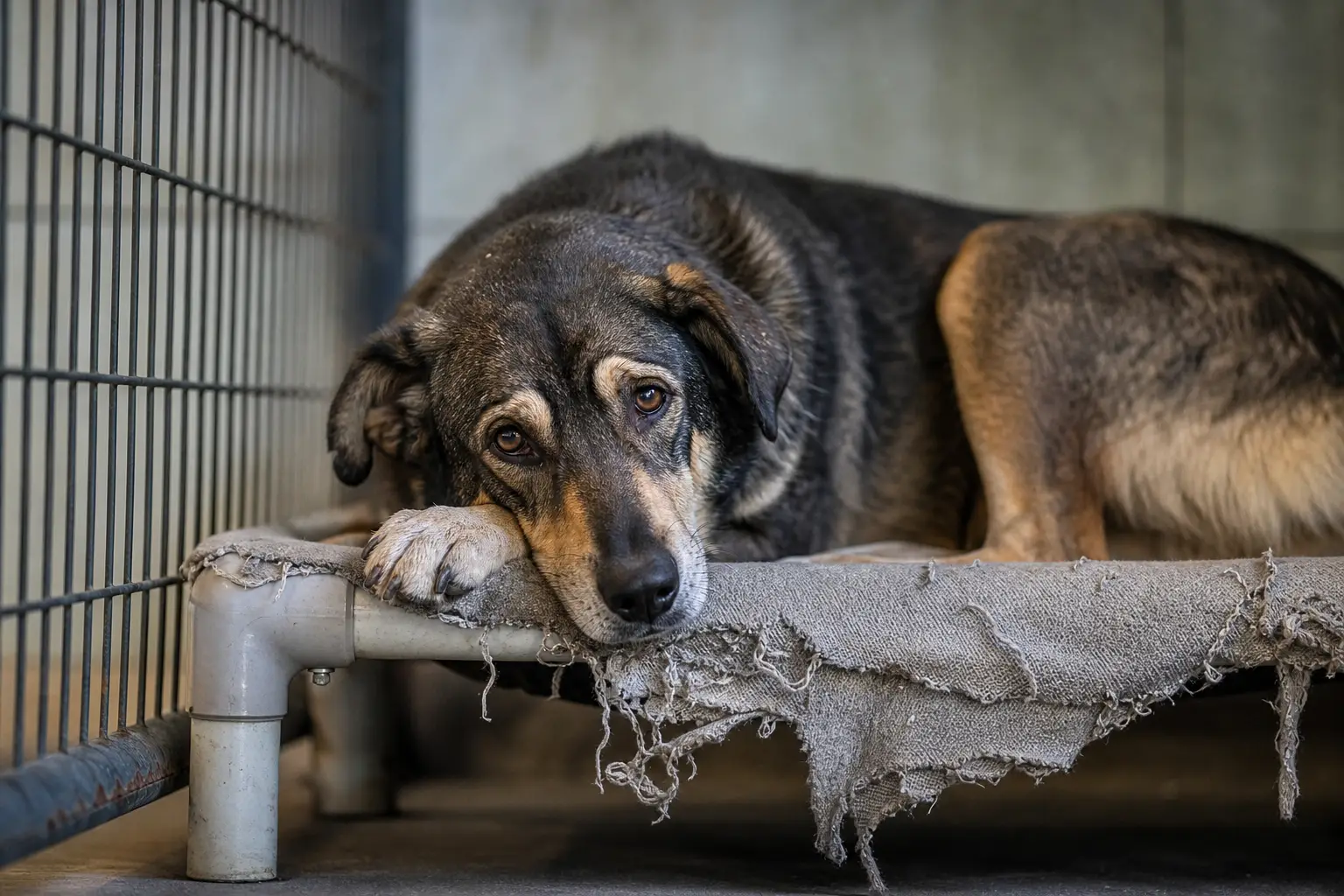
The dogs and cats showing up at rescues during early September carry stories we’d rather not hear. Some arrive malnourished. Others bear signs of neglect or abandonment.
Many are injured and require immediate care that stretches already-thin rescue budgets and staff. Understanding why this happens isn’t just academic for animal advocates. It’s essential to being prepared, because preparation saves lives.
Why families abandon pets when routines change
Life transitions create abandonment. This is the hard truth that rescuers encounter year after year. When families reorganize their schedules around school, work patterns shift, childcare arrangements change, and suddenly a pet that fit into the old routine doesn’t fit the new one.
A dog that had someone home during summer now faces eight hours alone. A cat that received attention during slower months becomes an inconvenience when everyone’s calendars explode.
Parents facing new school routines often decide, sometimes quietly, that a pet is simply too much to manage. Financial stress compounds this decision. Back-to-school expenses are real: uniforms, supplies, tuition increases for private schools, and unexpected medical costs.
When a family’s budget tightens, pets become the first casualty. A few hundred dollars for ongoing pet care can feel impossible when school bills are due.
Then there’s the shelter surrender itself, which carries its own emotional weight. Families don’t wake up intending to be irresponsible. They rationalize.
They convince themselves the shelter will find the pet a better home. They believe (incorrectly) that their six-year-old dog will be adopted quickly. Animal advocates know better.
They understand that abandoned animals face overcrowded shelters, limited resources, and uncertain futures. Understanding the human behavior behind abandonment helps advocates build community networks focused on preventing surrender before it happens, rather than just managing the aftermath.
The spike in surrender rates at shelters during early September
Data from animal shelters across the country shows a consistent pattern: surrender rates jump 20-40% in early September compared to August. This isn’t speculation. Rescue organizations tracking intake see it every year without fail.
A shelter expecting 150 animals in a typical month suddenly receives 200 or more. Small rescues already operating at capacity face impossible decisions about which animals they can help.
This surge creates immediate operational strain. Shelters lack adequate kenneling space. Veterinary care gets backed up. Staff members who already work overtime during summer months face burnout as resources spread thinner. The cruel irony is that this spike in arrivals happens precisely when funding dries up. Summer fundraising campaigns end. Donor attention shifts away from animal causes. Yet the need for emergency animal donations becomes most acute.
Behavioral issues compound during this period too. Stressed, neglected animals show signs of trauma-informed behavior that makes adoption harder. A dog abandoned because of schedule changes may arrive at rescue displaying anxiety, fear, or aggression born from its experience.
These animals require skilled handling, behavioral rehabilitation, and often intensive veterinary care. The cost multiplies. The timeline extends.
Without adequate funding, rescuers face impossible choices about which animals receive treatment and which don’t.
How advocates prepare for increased intake during transition periods
Smart animal nonprofits don’t wait for September to arrive. They prepare starting in July. Strategic planning means building partnerships, stockpiling resources, and ensuring volunteer networks are ready. Organizations implementing this proactive approach understand that preventing burnout among staff and volunteers directly translates to more animals receiving care.
Effective preparation involves community education campaigns during August, messaging families about the importance of stable pet care during transitions. Some organizations coordinate with schools to distribute pet care resources during back-to-school events. Others secure pledges from corporate partners to ensure emergency response funding remains available throughout fall.
The most successful rescues establish clear intake protocols and triage systems before the surge begins. They train staff on trauma-informed handling. They identify which animals need immediate intervention and which can wait for less urgent services.
This isn’t heartless rationing. It’s smart resource allocation that saves more lives overall. When advocates prepare thoughtfully, September’s heartbreak becomes manageable.
When they don’t, animals suffer unnecessarily.
Summer Neglect Cases Coming to Light
How prolonged heat exposure leads to severe health complications
Summer heat doesn’t just feel uncomfortable for animals left in neglectful situations. It becomes a silent killer that accumulates damage over weeks and months, damage that doesn’t always show obvious symptoms until fall rolls around. When animal advocates start their September assessments, they’re discovering animals that have endured sustained heat exposure with little to no relief, access to water, or shelter.
Prolonged heat stress causes dehydration at a cellular level. Unlike acute heatstroke (which at least gets immediate attention sometimes), chronic heat exposure quietly damages organ function. Dogs and cats left in inadequate conditions during summer months develop kidney issues, liver problems, and cardiac stress that may not manifest fully until temperatures drop and advocates finally get access to examine them.
A dog that survived three months of 95-degree heat with minimal shade or water doesn’t suddenly recover in September. The damage accumulates.
Behavioral changes compound the problem. Animals under chronic heat stress become lethargic, stop eating normally, and develop skin conditions that go untreated. By the time animal welfare professionals arrive for welfare checks or rescues, they’re looking at dehydrated, malnourished animals with secondary infections. The heat itself was the trigger, but September is when the full scope of summer’s cruelty becomes visible.
Paw pad burns, respiratory inflammation, and vision problems from prolonged squinting in direct sunlight all accumulate silently. These complications require emergency veterinary intervention and specialized care. Understanding this cycle helps animal advocates prepare for the influx of complex medical cases that define September’s emergency landscape.
Recognizing signs of long-term neglect that advocates discover in fall
September brings a shift in what animal rescue teams encounter. Summer cases of acute abandonment are one thing, but the animals still trapped in neglectful situations from June and July reveal patterns that are harder to ignore. Advocates see matted fur that’s been wet with sweat and never brushed, skin infections that have festered for months, and behavioral trauma from isolation and suffering.
Weight loss becomes starkly visible in the fall. An animal that was already thin in July shows ribs and vertebrae jutting prominently by September. Muscle atrophy from confinement in small spaces or chained conditions becomes apparent. Nail overgrowth, dental disease, and untreated wounds all tell the story of summer neglect.
The psychological toll shows too. Advocates document animals that are fearful, withdrawn, or dangerously reactive because they’ve spent months in conditions that broke their trust in humans. Cases like a small dog represent the animals pulled from summer situations where physical neglect is matched by emotional trauma. These animals require trauma-informed rescue approaches, not standard intake procedures.
Long-term neglect cases also reveal secondary infestations and infections that weren’t visible earlier. Parasites thrive in summer heat, and untreated flea or tick infestations compound skin damage. Ear infections, eye infections, and respiratory issues from living in filthy conditions all surface during fall assessments. The complexity of treating these layered medical and behavioral issues is what makes September caseloads so demanding.
The connection between summer vacancies and unattended animal welfare
Summer vacations create gaps in oversight and accountability. Neighbors don’t notice neglect as easily when they’re traveling. Property managers on vacation don’t inspect rental properties.
Family members handling pet care while owners travel cut corners or become overwhelmed. These gaps are invisible until September, when regular routines resume and advocates conducting welfare checks see what happened during those eight weeks of summer.
Rental properties and temporary housing situations present particular risks. An animal left with an unfamiliar pet-sitter or inexperienced caretaker may suffer quietly because no one is truly responsible for monitoring its wellbeing. When the summer season ends and people return to normal schedules, animal nonprofits start fielding reports about animals that were neglected during the vacation period.
Building effective community networks and prevention strategies requires understanding these seasonal gaps. Organizations implementing emergency response protocols can better prepare for the September surge by anticipating which animals are at highest risk during summer vacancies.
Corporate partnerships and community coalitions that focus on animal advocacy can help address these summer gaps before they result in September emergencies. When businesses, neighbors, and rescue organizations understand how summer vacancies create vulnerability, they can establish check-in systems and backup care plans that prevent neglect from escalating into crisis situations requiring emergency intervention.
Outdoor Animals Facing Harsh Weather Transitions
Unprepared animals in outdoor settings as temperatures begin to drop
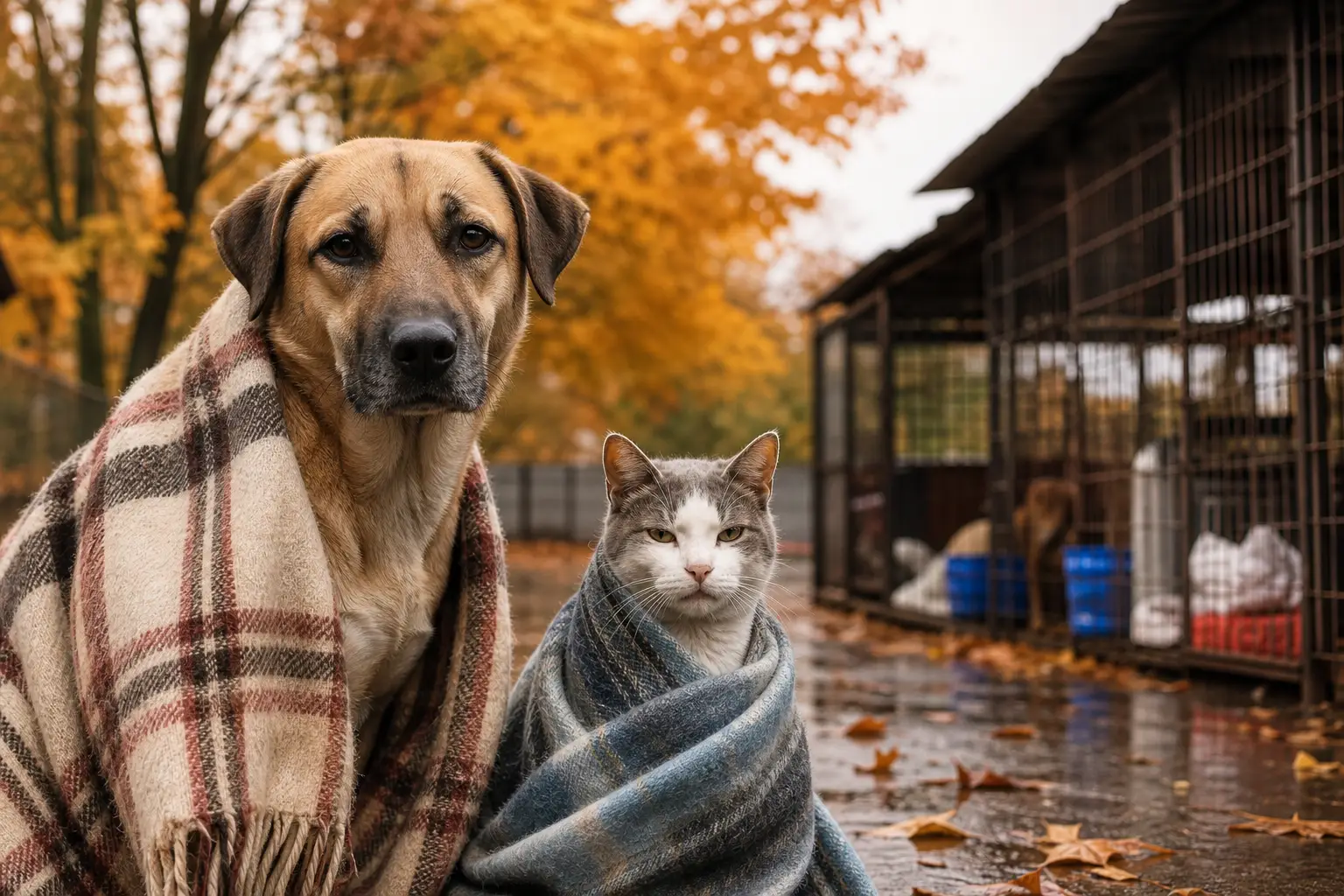
September marks a critical turning point for animals living outdoors. While summer heat dominates our awareness throughout July and August, the shift toward autumn creates a different kind of danger, one that catches many communities off guard. Stray cats, feral colonies, and abandoned dogs still confined to outdoor spaces suddenly face a climate they’re not equipped to handle.
Animals that have survived on their own through warm months are often malnourished and lack adequate body fat reserves to weather temperature drops. A dog that seemed to be managing in July can rapidly decline as nighttime temperatures dip into the 50s and 60s. Feral cat colonies, which animal advocates have been monitoring all summer, face increased stress as their metabolic needs spike just when food sources become scarcer.
Insects disappear. Outdoor water sources freeze in some regions. The animals’ instincts kick into overdrive, but survival becomes exponentially harder.
What makes September particularly heartbreaking is that rescue organizations are already stretched thin from summer operations. Back-to-school disruptions mean fewer volunteers have availability, and donations that peaked in early summer have typically dried up by this point. Animal advocates working with community networks find themselves racing against the calendar to locate and rescue animals before the first real cold snap arrives.
The window for intervention is narrow. If an outdoor animal isn’t rescued or safely housed before sustained cold weather hits, the likelihood of survival drops dramatically. We see cases where animals develop hypothermia, frostbite on their paws and ears, and secondary infections from exposure. Some of the most urgent cases coming into rescue facilities in late September are animals that have already suffered weather-related trauma.
Tethering and confinement issues that become more dangerous in September
Tethering itself is a year-round problem, but September transforms it into a life-threatening situation. Dogs chained to trees or posts in yards across the country suddenly face the same temperature challenges as strays, except with even fewer options. They can’t seek shelter.
They can’t move to warmer areas. Their chain limits their ability to find water, and if that water freezes, they’re left without hydration during cold nights.
We document cases regularly where tethered dogs develop sores from chains rubbing against skin irritated by weather exposure. Infections set in. Animals become severely malnourished because owners assume outdoor dogs need less food in cooler months (they actually need more to generate body heat).
Some animals become so weakened that they can’t stand when rescuers arrive. The trauma-informed approach to these rescues requires patience, careful handling, and often emergency veterinary care the moment these animals reach safety.
September is when animal advocates intensify monitoring of known tethering situations. Those who’ve been documenting outdoor confinement all summer suddenly recognize that what was marginally survivable in August becomes dangerous in September. The behavioral changes in tethered animals are visible too.
Increased anxiety, lethargy, and signs of malnutrition accelerate as the season shifts. Communities see increased calls to animal control and rescue hotlines specifically about tethered animals showing distress.
Rescue operations for tethered animals in September frequently require coordination with property owners, law enforcement, and sometimes legal intervention. Unlike summer cases where quick intervention might prevent further suffering, September tethering cases often involve animals already experiencing serious health consequences. The cost of care intensifies.
The urgency intensifies. And the emotional weight on rescue staff intensifies alongside it.
Building community awareness before colder months arrive
September is the strategic moment for animal advocacy organizations to educate communities about what’s coming. This is when prevention messaging actually reaches people before crisis situations develop. Neighbors start noticing outdoor animals again after the haze of summer. They’re more likely to report concerns about tethered dogs or feral colonies when they see behavioral changes signaling distress.
Effective community awareness campaigns in September focus on actionable steps: providing resources for low-cost outdoor shelters, connecting people with trap-neuter-return programs, and explaining how to safely approach and help outdoor animals without creating injury risks. Animal nonprofits that dedicate September to this educational work prevent countless emergencies in October and November.
Building these prevention networks requires understanding that community members want to help, but often don’t know how. When rescue organizations provide clear, accessible information about local resources and intervention options, participation increases significantly. This is the foundation for sustainable animal advocacy work that actually prevents the heartbreaking cases rather than just responding to them after crisis hits.
Increased Emergency Rescue Operations
Why September sees the highest volume of emergency callouts
September transforms the animal rescue landscape. Call volumes spike dramatically, and shelters report handling 30-40% more emergency cases than summer months. This isn’t coincidence—it’s the convergence of multiple crises happening simultaneously across the animal welfare community.
The timing is brutal. Families return from vacations, and countless pets end up in shelters because they weren’t part of the vacation plans. Back-to-school logistics overwhelm households, and animals slip through the cracks.
Simultaneously, the summer heat’s effects on outdoor and neglected animals become undeniable. A dog left outside in July’s scorching temperatures doesn’t show critical signs until September’s arrival, when dehydration, heat exhaustion, and related complications surface.
Weather transitions add another layer. Temperature swings stress animals unprepared for seasonal changes. Older animals with existing conditions become vulnerable. Stray populations, already stressed from summer conditions, face increased danger as weather patterns shift.
Beyond environmental factors, animal advocates see a spike in abuse cases reported during this period. Neighbors notice signs of neglect they overlooked during busy summer schedules. School-age children report witnessing animal cruelty they observed but didn’t immediately disclose. Law enforcement receives more animal welfare complaints in September than any other month.
Resource strain on rescue teams during this critical month
Animal nonprofits operate on tight budgets year-round, but September pushes them to breaking point. Rescue teams working emergency response protocols face simultaneous demands that test every resource. Veterinary clinics, already booked solid, receive urgent intake requests they can’t immediately accommodate. Staff members handle back-to-back cases without breathing room, increasing burnout risk among dedicated professionals.
Funding gaps widen precisely when they matter most. Organizations managing cases like those requiring emergency surgery need immediate financial support. Yet donor attention often shifts away from animal advocacy as fall schedules dominate public consciousness. This creates a painful paradox: maximum need meets minimum available resources.
Transportation becomes logistically complicated. Teams coordinate across regions to move animals from overcrowded shelters to rescue partners with available capacity. A case in Dallas might require support from nearby regions, straining networks that depend on volunteers and limited vehicles. Regional partners like those managing rescue operations and denver report September as their most resource-intensive month.
Veterinary expenses escalate dramatically. Emergency surgeries, treatments for neglect-related injuries, and preventative care for intake animals create financial pressure that nonprofit budgets weren’t designed to handle. Medical costs for cases requiring trauma-informed care multiply quickly when facilities handle 40+ additional animals weekly.
How advocates coordinate to handle multiple crises simultaneously
Successful animal advocacy networks depend on coordination. During September’s crisis season, rescue organizations activate coalition-building strategies they’ve developed through previous years. Regional partners share resources, emergency contacts, and transport capacity to prevent any single organization from collapse.
Communication systems become critical. Real-time updates allow advocates to identify which facilities have intake capacity and which are at maximum. A shelter in Denver coordinates with partners across the state to move animals efficiently, preventing euthanasia decisions driven by overcrowding rather than genuine medical necessity. Similarly, organizations handling cat rescue operations and san diego activate mutual aid networks developed specifically for September crises.
Corporate partnerships become lifelines. Organizations that have invested in building corporate partnerships find themselves with access to donated supplies, volunteer hours, and emergency funding pools. These relationships, built during quieter months, activate instantly when September arrives.
Smart allocation of funding prevents crisis multiplication. Animal advocates prioritize trauma-informed rescue protocols that address not just physical injuries but psychological damage from abuse and neglect. Networks coordinate with veterinary hospitals to negotiate emergency rates, stretching emergency animal donations further.
Understanding burnout prevention becomes operational necessity. Rescue teams rotate between high-stress intake work and lower-intensity roles. Organizations that prioritize staff wellness maintain capacity through September’s peak, unlike those operating on pure adrenaline and goodwill.
Documenting and Responding to Heartbreaking Cases
The emotional toll on animal welfare professionals during peak season
September isn’t just operationally demanding for animal advocacy organizations. It’s psychologically brutal. When rescue teams respond to case after case of neglected, abused, and abandoned animals, the cumulative weight of what they’ve witnessed starts to compound in ways that many outsiders don’t fully grasp.
Animal welfare professionals enter this field because they care deeply. That empathy, which makes them excellent advocates, also makes them vulnerable to secondary trauma. They hold a puppy with untreated infections.
They photograph dogs chained to trees in extreme heat. They console frightened cats pulled from hoarder situations. And then they move to the next case.
And the next one. And another after that.
By mid-September, burnout doesn’t feel like a distant possibility. It feels like an actual presence in the office, the shelter, the field. Teams working high-volume rescue operations during peak season report elevated stress, difficulty sleeping, and emotional numbness (a classic sign of compassion fatigue). Some staff members begin distancing themselves from the animals they’re supposed to help, which paradoxically makes them question their purpose and commitment.
What compounds this challenge is that September cases often involve legal complications. Animal abuse investigations require detailed documentation, testimony, and coordination with law enforcement. While investigation work is absolutely necessary, it means rescue professionals must relive traumatic discoveries multiple times as they prepare for legal proceedings. The emotional toll multiplies when a case that devastated your team months ago finally reaches court in September.
Best practices for trauma-informed case documentation and investigation
Here’s what separates organizations that maintain team morale from those that experience catastrophic staff turnover: they treat documentation as a professional responsibility that requires emotional support infrastructure, not just a paperwork obligation.
Trauma-informed documentation starts with understanding that the person writing the case file isn’t a neutral observer. They’re someone who has just witnessed suffering. That reality needs to shape how organizations approach record-keeping.
Rather than expecting staff to produce cold, clinical reports immediately after traumatic field work, better organizations build in a buffer. Let the initial shock settle. Then work through documentation with support.
Effective practices include peer review sessions where two staff members work through case files together, which provides emotional support and catches documentation gaps simultaneously. Recording photographic and video evidence properly (with backup systems) means the animal doesn’t need to be re-photographed multiple times. It’s a small detail that prevents repeated re-traumatization.
Organizations handling cases across multiple regions—like those coordinating rescue efforts in areas ranging from dallas cat rescue to crisis response in denver and florida—benefit from standardized documentation templates that reduce decision fatigue. When staff members aren’t reinventing the documentation wheel for each case, they preserve mental energy for the actual investigative and supportive work.
Critically, trauma-informed documentation acknowledges that animals respond to investigations just as humans do. Cases require follow-up observations, health assessments, and behavioral notes over time. Building this continuity into your documentation system means you’re tracking recovery progress, which provides advocates with the emotional reinforcement they desperately need during difficult months.
Supporting advocates through difficult discoveries and legal proceedings
The rescue professionals who discover animal abuse aren’t detached observers. They’re advocates who will carry those images and experiences forward. Supporting them through legal proceedings means acknowledging this reality and providing structured resources.
Peer support networks are foundational. When a team member testifies about an abuse case they responded to, they need colleagues who understand the gravity of what they experienced and what they’re about to endure in cross-examination. Some organizations create informal debriefing sessions after court appearances specifically to process what happened and reconnect with purpose.
External support matters too. Access to counseling services specializing in trauma and compassion fatigue isn’t a luxury for animal advocacy organizations operating during peak season. It’s operational necessity. Teams need to know they can work through what they’ve witnessed without fear of judgment, and that their emotional responses are normal, not signs of weakness.
Recognition systems help as well. When a team brings a difficult case to successful resolution, when legal proceedings result in animal protection outcomes, celebrate that explicitly. Understanding how individual animals receive and how cases like these lead to actual behavioral change or prevention—this is what sustains advocates through the hardest moments.
Advocacy Strategies to Prevent September Crises
Pre-September campaigns to educate pet owners about responsibility
The most effective way to prevent September heartbreak is getting ahead of it. Animal advocates and rescues that launch education campaigns in July and August see measurably fewer abandonment cases when fall arrives. These campaigns work because they address the root problem: pet owners who haven’t thought through the realities of seasonal changes, back-to-school chaos, and shifting schedules.
Successful pre-September messaging focuses on practical scenarios rather than guilt-based appeals. Pet owners respond better to concrete information like “Here’s how to create a backup care plan before school starts” than to shame. Campaigns should highlight the specific September pressures (increased work hours, travel, childcare transitions) and offer actionable solutions. Social media content that shows real families managing pets during school season builds credibility and normalization around planning ahead.
The trauma-informed approach matters here too. Many pet owners who abandon animals aren’t cruel; they’re overwhelmed and didn’t plan. Educational campaigns that acknowledge this reality and offer genuine support pathways (low-cost boarding, pet-sitting networks, emergency foster programs) actually work. When people know help exists before crisis hits, they’re more likely to seek it out.
Fundraising initiatives to support expanded rescue capacity
Education alone doesn’t stop September crises. Animal advocacy organizations need actual resources to handle the surge. Strategic fundraising in August creates the financial cushion that prevents rescue operations from becoming paralyzed when case volumes spike. Organizations that secure emergency animal donations before September hits can deploy staff, open temporary holding facilities, and provide necessary veterinary care without rationing resources.
The most effective September fundraising campaigns connect donors to real impact. Telling the story of a specific animal in crisis (like highlighting cases where a small dog) creates emotional resonance that generic appeals never achieve. Donors want to know their contribution directly prevents a heartbreaking outcome, not that it goes into a vague operational fund.
Building sustainable fundraising capacity means developing multiple revenue streams. Corporate sponsorships, peer-to-peer fundraising campaigns, emergency response funds, and major donor cultivation all contribute to September readiness. Organizations that invest in building corporate partnerships create predictable funding pipelines that weather seasonal surges without crisis-to-crisis scrambling.
Building community partnerships to expand reporting and early intervention networks
No single rescue organization can address all September cases alone. The organizations preventing the most heartbreak are those building robust community networks that catch animals in crisis before they reach critical condition. This means establishing partnerships with veterinarians, schools, animal control agencies, shelters, and community members who report suspected abuse or neglect.
Early intervention networks operate on a simple principle: more eyes, faster response. When veterinarians, teachers, mail carriers, and neighbors know exactly who to contact and how (and trust that the response will actually help), they report concerning situations. This transforms community observation into protective action. Organizations that train their partners in trauma-informed communication and provide clear reporting pathways see significantly increased case identification.
These coalitions also normalize asking for help. When community members understand that emergency response protocols exist to actually support struggling pet owners, not punish them, participation increases. People are more willing to report if they believe intervention will solve the problem rather than create additional trauma for the animal.
September doesn’t have to devastate animal welfare organizations and the animals they serve. Advocates who prepare through education, secure adequate resources, and build genuine community partnerships transform crisis season into managed response. The heartbreaking cases will still come, but they’ll arrive to prepared teams working within established networks, with funding in place and community support activated.
This is how we move from reactive rescue to proactive prevention. Start building these strategies now, before summer ends and the season of crisis begins.
Related Posts
- A Small Dog Named Tiny Needs Emergency Help
- Tiny Receives Treatment at Hillcrest Veterinary Hospital
- Tiny Finds Her Forever Home
- Building Corporate Partnerships for Large Scale Animal Emergency Relief Operations
- Emergency Response Protocols When Animal Rescue Donations Are Critically Needed
- Help Save This Brave Little Puppy – Urgent Eye Surgery Needed
- Why We Focus on Emergency Response Funding for Animals in Crisis