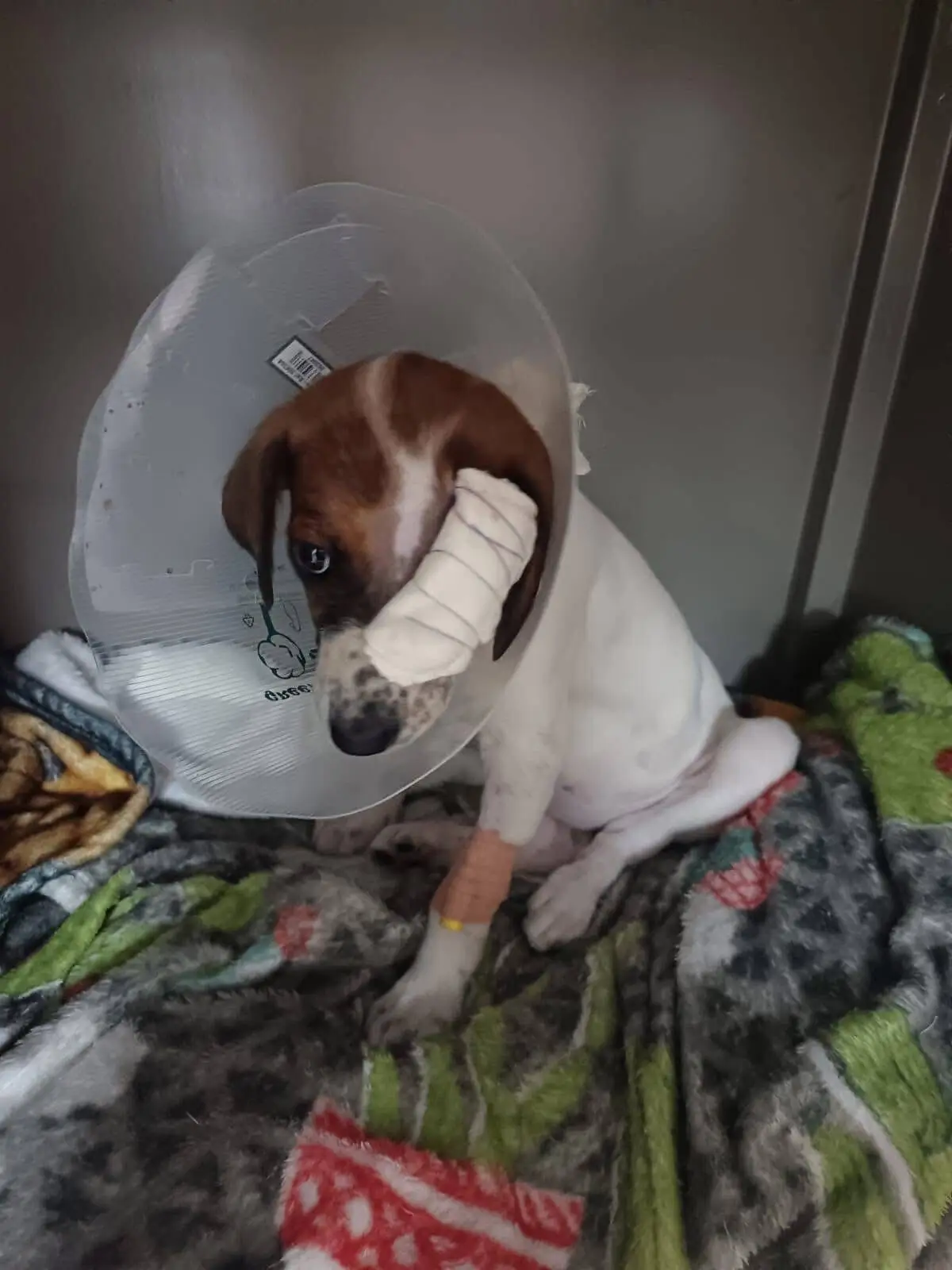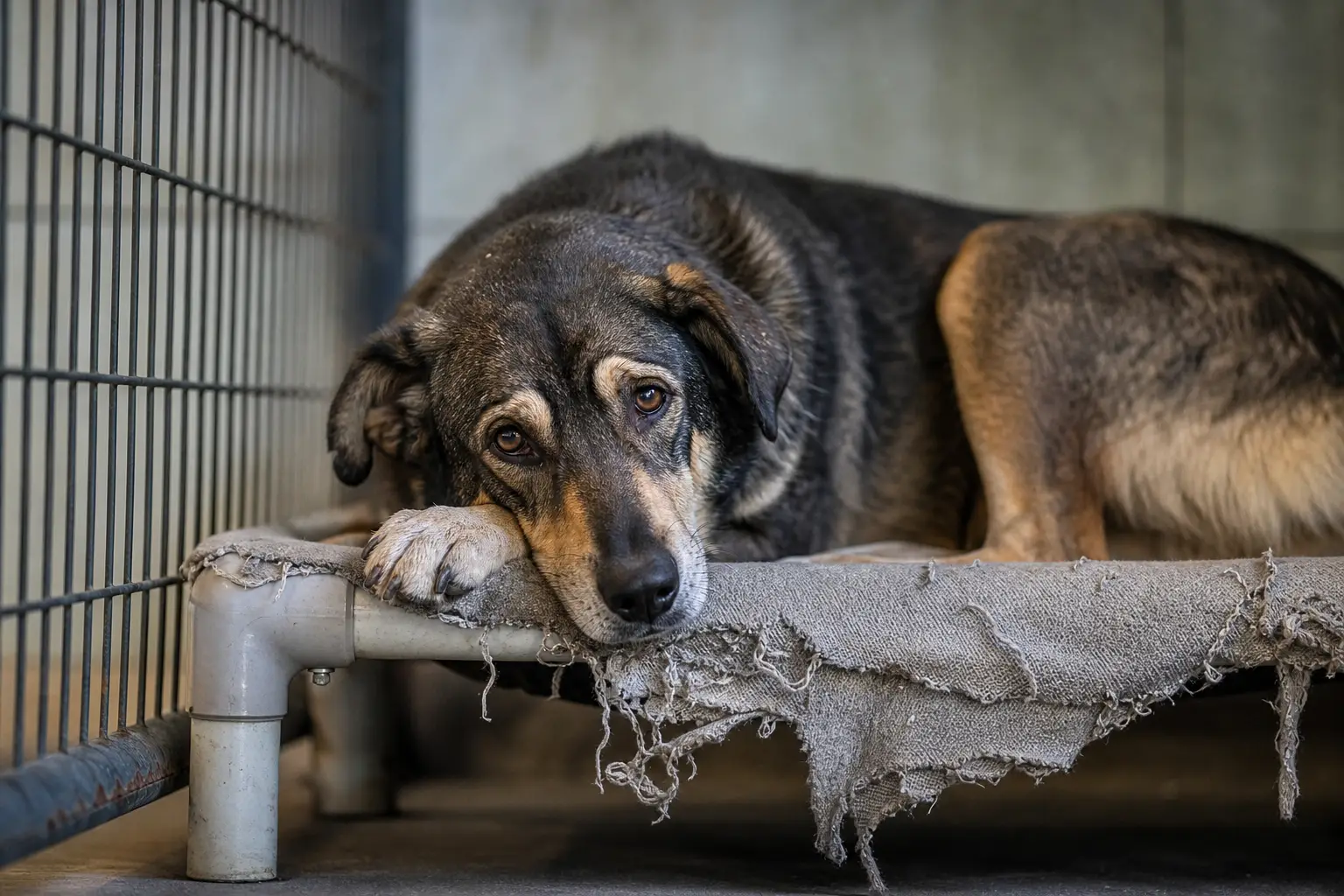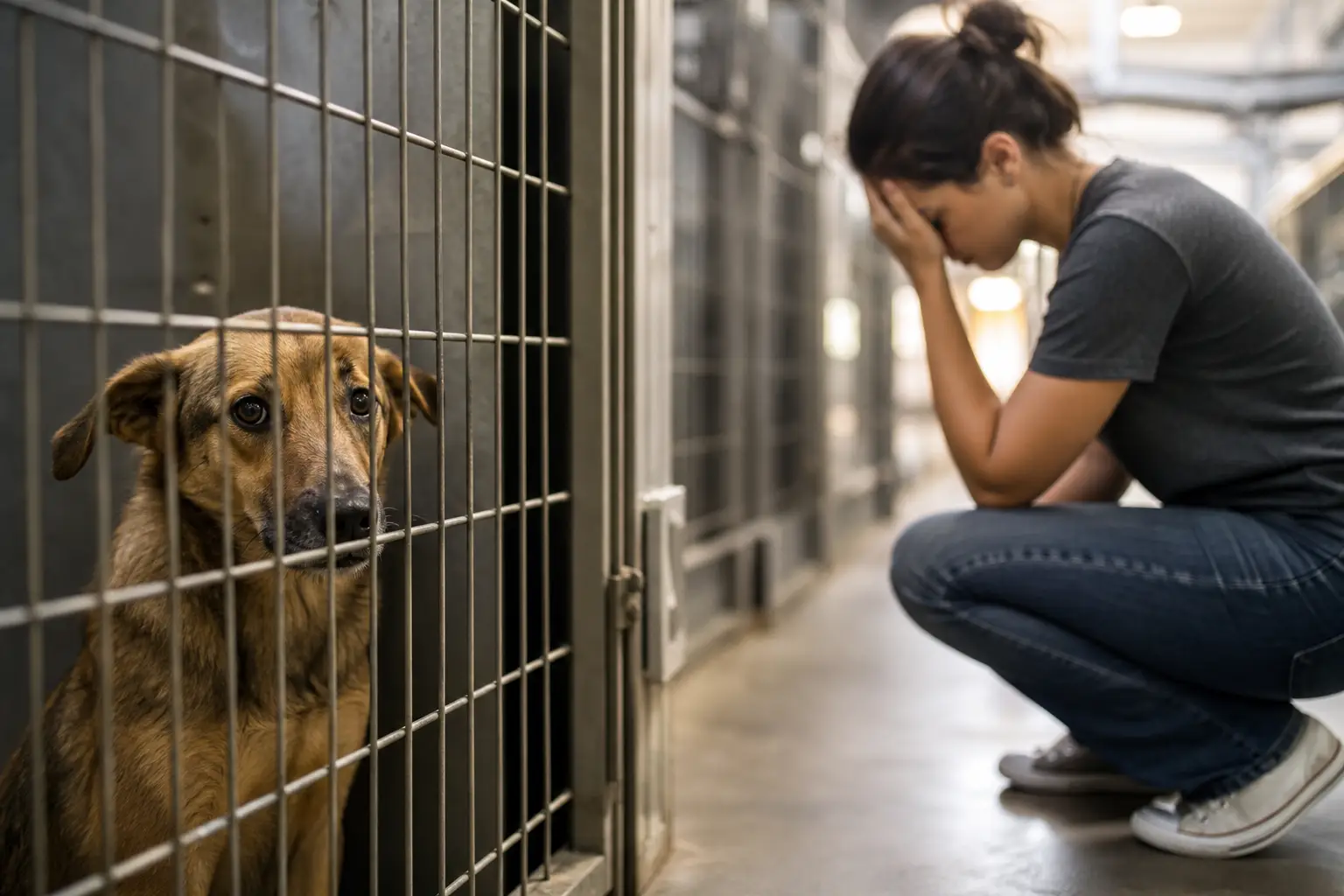

Understanding Seasonal Needs in Fall Animal Fostering
When September rolls around and temperatures start to dip, animal shelters and rescue organizations face a critical inflection point. Fewer potential adopters browse shelter websites during fall months. Breeding season complications create unpredictable intakes.
Seasonal illnesses spike. And foster networks that sustained animals through summer suddenly contract as volunteers balance school schedules, holiday prep, and personal commitments.
This convergence creates what many in animal advocacy call the “fall crunch” (and if you’ve worked in rescue, you know exactly what that means). Shelters become overcrowded. Resources stretch thin.
Animals spend longer in kennels waiting for placement. That’s where foster advocates step in. Fostering during fall transitions isn’t just helpful—it becomes essential infrastructure for animal welfare operations trying to save lives when demand peaks and capacity plummets.
This guide walks you through what fall fostering actually demands, how to recognize what shelter animals truly need during cooler months, and how to prepare your home as a trauma-informed foster environment. Whether you’re new to fostering or you’ve done this before, understanding seasonal dynamics prevents burnout, saves animals from unnecessary shelter time, and builds the coalitions that rescue organizations depend on year-round.
Why Fall Creates Urgent Fostering Demands
Fall adoption rates typically drop 20-30 percent compared to summer months. People get busy with back-to-school routines, work deadlines pile up, and the holiday season (still months away) starts occupying mental space. Simultaneously, shelters don’t reduce their incoming animals—if anything, intakes increase as outdoor-living animals struggle with weather changes and people rehome pets before moving or facing financial pressures heading into winter.
That gap between reduced adoptions and stable (or increasing) intakes creates a bottleneck. Shelters overflow. Kennels that housed single animals now hold pairs. Behavioral stress compounds. Medical issues go undertreated because veterinary resources become rationed. A foster network acting as community networks directly reduces that pressure by providing temporary homes and preventing shelter crowding that accelerates animal trauma.
Beyond capacity issues, fall brings specific medical challenges. Upper respiratory infections spread rapidly in shelters. Parasitic diseases flourish during transitional weather.
Older animals struggle with temperature changes. Animals with prior abuse histories often show heightened anxiety as daylight decreases and routine disrupts. Fall fostering allows rescue organizations to treat medical issues in home environments rather than expensive veterinary clinics, stretching limited budgets further.
Physical and Behavioral Changes in Shelter Animals During Cooler Months
Animals experience fall differently than humans do. Shorter daylight triggers hormonal shifts, particularly in dogs and cats. Anxiety increases. Some animals become lethargic. Others develop hyperactivity or aggression they didn’t show during summer months. In shelter environments where stress already runs high, these seasonal behavioral changes become magnified.
Physically, coat changes begin in earnest. Animals starting to shed summer coats need consistent grooming to prevent matting and skin infections. Respiratory health becomes fragile.
Cold-sensitive breeds (small dogs, thin-coated animals, older pets) struggle with temperature regulation, even in climate-controlled shelters. Abused animals that have already experienced trauma often show heightened fear responses to weather changes because environmental instability mimics the unpredictability they’ve known.
What you’ll actually observe in foster animals: increased clinginess, reluctance to sleep alone, possible appetite changes, or behavioral regression in animals showing progress. This isn’t failure on the animal’s part (or yours). It’s seasonal adaptation. Understanding this prevents misinterpretation and allows you to respond with appropriate, compassionate care rather than frustration that feeds into burnout.
Preparing Your Home for Different Species and Their Fall Requirements
Fall foster preparation differs significantly based on species. Dogs need weatherproof outdoor space (or frequent bathroom breaks given limited daylight hours), extra bedding for temperature regulation, and mental enrichment that substitutes for reduced outdoor exercise. Cats require warm resting areas away from drafts, consistent indoor routines, and litter box locations that remain stable as household activities shift with seasonal schedules.
Temperature management matters more than many new foster families realize. Maintain homes between 68-72 degrees when fostering animals recovering from medical issues or showing age-related sensitivity. Provide extra blankets, heated beds (on low settings), and designated warm rooms.
Draft-proof spaces where animals can retreat. For animals with anxiety or trauma histories, consistent temperature and lighting prevents environmental triggers that mimic the chaos they’ve experienced.
Stock supplies before the season peaks: quality food matching foster animal dietary needs, medical supplies for any ongoing treatments, extra towels and bedding, toys matched to individual animals’ play styles and anxiety levels. If you’re fostering animals transitioning, prepare realistic expectations about behavioral timelines—abused animals don’t become “fixed” in a month, and fall’s stressful season means patience compounds in importance.
Building Your Foster Care Foundation
Selecting the Right Animal Match for Your Household
Choosing which animal to foster isn’t just about having space in your home. It’s about understanding what your household can realistically handle during fall transitions, when stress levels across shelters and rescues spike significantly. The right match prevents burnout for you and ensures better outcomes for the animal in your care.
Start by assessing your living situation honestly. Do you have children? Other pets?
Outdoor space? Fall weather brings unique challenges, particularly for animals recovering from trauma or medical procedures. An elderly dog with mobility issues might struggle navigating wet leaves and slippery surfaces, while a young, high-energy cat could become destructive if confined indoors during cooler months.
Your organization should provide detailed behavioral assessments and medical histories for each animal available for foster placement.
Consider your own capacity too. September and October see increased intake across most facilities, meaning your organization may ask you to care for animals with complex needs. Ask yourself whether you’re equipped to handle animals requiring twice-daily medication, specialized diets, or behavioral support.
Training-informed approaches matter here, particularly when fostering animals with histories of abuse or neglect. Many nonprofits, including Without Voices, emphasize understanding the backstory of each animal entering your home because it directly impacts your ability to provide appropriate care and prevents situations from escalating unnecessarily.
Think seasonally. Fall fosters often include animals pulled from outdoor situations or hoarding cases where they’ve had limited human contact. These animals may need extra patience as they adjust to household routines. Kittens and puppies born during summer require different handling than adult animals, and timing matters when a foster placement spans from early fall into winter months.
Essential Supplies and Safety Setup Before Intake
Before an animal arrives at your home, you need infrastructure in place. Your rescue organization should provide a checklist, but here’s what experienced foster advocates understand: preparation prevents problems and builds community trust in your ability to handle future placements.
Basic supplies include appropriate food and water dishes (elevated for some dogs, shallow for cats), comfortable bedding, litter boxes or designated outdoor areas, and toys suited to the animal’s age and energy level. Fall weather means you’ll also need blankets, heating pads for senior animals, and weatherproof solutions if the animal needs outdoor access. Some organizations provide these items, but confirming beforehand prevents last-minute scrambling.
Safety setup is equally critical. Secure loose cords, remove toxic plants like autumn decorations containing certain substances, and create a contained space where the animal can decompress initially. Traumatized animals need low-stress environments, not full access to your entire home on day one. Case studies like bella’s rehabilitation journey demonstrate how structured home environments accelerate recovery and build confidence in frightened animals.
Identify a veterinary clinic beforehand, particularly if your foster animal requires emergency care. Fall illnesses spread quickly in shelter environments, and knowing your nearest emergency vet during weekends or after hours prevents delays if complications arise. Your organization should have protocols for this, but confirming your role in emergency decision-making removes uncertainty when it matters most.
Set up a dedicated quarantine area if your foster arrives with upper respiratory issues or other contagious conditions. Many fall intakes carry seasonal illnesses. Using separate bedding, food dishes, and cleaning supplies protects your existing pets and prevents spreading pathogens within your home.
Establishing Communication Protocols with Your Organization
Clear communication between foster caregivers and your animal nonprofit transforms foster programs from chaotic to sustainable. During high-intake periods like fall, miscommunication cascades quickly and creates unnecessary stress for everyone involved.
Establish preferred contact methods immediately. Does your organization use text, email, or a dedicated app? How quickly should you expect responses?
Who’s your primary point of contact when behavioral questions arise, and who do you call if medical emergencies occur outside business hours? These sound like basic logistics, but actually having these answers written down prevents critical delays when animals need help.
Discuss expectations around documentation. Most rescues need regular updates on the foster animal’s adjustment, appetite, bathroom habits, and any medical observations. Some use photo check-ins, others prefer written notes. Knowing the system upfront means you’re capturing information your organization needs rather than guessing what matters.
Clarify decision-making authority. Can you authorize emergency veterinary care, or must you wait for approval? What’s the organization’s stance on medication adjustments or behavioral interventions?
Trauma-informed approaches sometimes require flexibility, and understanding your organization’s philosophy prevents conflicts during critical moments. Networks of foster advocates thrive when everyone understands the decision-making structure and trusts each other’s judgment.
Finally, discuss the foster-to-adopt possibility if it applies. Some caregivers want to build networks of community resources, others become deeply attached to their fosters. Being transparent about your intentions and your organization’s adoption policies from the start prevents heartbreak and maintains strong relationships between your nonprofit and its foster coalition.
Health and Wellness Management During Transition Periods
Monitoring for Common Fall Health Issues and Seasonal Illnesses
Fall brings a shift in weather patterns that directly impacts foster animals in your care. Respiratory infections spike during temperature fluctuations, particularly when fosters transition between indoor and outdoor environments. You’ll notice early signs like persistent coughing, nasal discharge, or lethargy within the first week of seasonal change. These aren’t minor concerns in animal advocacy work (they compound quickly in rescue settings where multiple animals share space).
Parasites remain active longer into autumn than many foster caregivers realize. Fleas and ticks thrive in the transitional temperatures of September and October, and abused or neglected animals arriving at your foster home often carry heavy parasite loads. Intestinal parasites from their previous living conditions require immediate attention. Request your veterinarian conduct a fecal exam during the initial wellness check, and don’t assume previous rescue efforts caught everything.
Watch for skin conditions worsened by fall’s drier air and indoor heating systems. Mange, fungal infections, and dermatitis become more visible and uncomfortable as the season progresses. Animals with trauma histories may scratch obsessively, making wounds vulnerable to secondary infections. Document any skin changes with photos and timestamps (this creates accountability in your foster network and supports case documentation for rescue operations).
URI (upper respiratory infection) cases in cat rescues spike notably in fall. If you’re fostering cats from Arizona, Atlanta, or other rescue hotspots, familiarize yourself with early symptoms. Sneezing, watery eyes, and reduced appetite often appear before more serious complications develop. Early intervention prevents emergency situations that would require emergency animal donations for urgent veterinary care.
Medication Administration and Medical Record Tracking
Every foster animal should arrive with detailed medical records, though in reality, documentation varies wildly depending on the rescue organization. Your responsibility is to create a clear, organized system from day one. This prevents missed doses, duplicate medications, and dangerous interactions. Use a simple spreadsheet or physical chart that tracks medication name, dosage, frequency, administration time, and any observed side effects.
Traumatized animals frequently arrive on antibiotics or anti-inflammatory medications. Your job isn’t to question the veterinarian’s protocol, but to execute it with precision. Set phone reminders for each dose. Keep medications in their original containers with labels intact. If a foster animal requires complex medication schedules (something common with animals needing emergency surgery level intervention), establish a relationship with your foster coordinator so someone double-checks your work weekly.
Document everything in writing. Note the exact time medication was given, the animal’s behavior afterward, any vomiting or refusal to eat, and any visible improvements in condition. This information becomes critical if the animal’s health worsens and requires escalation to emergency care. Photos of wounds, behavioral changes, or medical concerns create an undeniable record that protects both you and the rescue organization.
Fall transitions often mean animals move between foster homes. Medication handoffs are where mistakes happen most frequently. Never assume the next foster caregiver knows the full protocol.
Write everything down. Photograph medication bottles. Provide written instructions, not verbal ones.
This communication discipline reflects professional animal welfare standards and prevents situations requiring emergency intervention.
Creating a Wellness Routine That Supports Recovery and Socialization
A structured daily routine benefits emotionally and physically compromised animals far more than most foster caregivers anticipate. Fall’s predictable rhythm (consistent daylight patterns shifting earlier, stable indoor temperatures from heating) provides an ideal foundation for establishing consistent care. Build your routine around medication timing first, then layer in feeding, exercise, and quiet time around those non-negotiables.
Animals recovering from trauma or neglect need gentle consistency. Feed at the same times daily. Provide designated bathroom breaks on schedule.
Create a comfortable, quiet space where the animal retreats when overwhelmed. Fall’s tendency toward earlier darkness actually helps some animals relax more readily (the reduced stimulation aligns with their recovering nervous systems). This trauma-informed approach prevents behavioral regression that complicates eventual adoption.
Physical wellness requires appropriate fall-specific activity. Cooler temperatures mean some animals tolerate exercise better, while others with health compromises need shortened sessions. Balance activity with recovery time. Animals receiving medical treatment need rest priority over socialization goals. If your foster carries health concerns typical of arizona cat rescue cases (respiratory issues, parasite recovery), prioritize controlled indoor time over outdoor exposure.
Track visible improvements weekly. Document weight gain, improved coat condition, increased playfulness, or reduced anxiety. This progress fuels your motivation and provides concrete evidence of effective foster care. It also helps your rescue network understand what works, strengthening the collective expertise within your animal advocacy community.
Behavioral Support and Socialization Strategies
Addressing Anxiety and Adjustment Challenges in New Environments
Fall foster animals often arrive carrying a bundle of unknowns. They’ve lost their previous homes, their routines, their sense of stability. Now they’re facing seasonal shifts (shorter days, temperature changes, different activity patterns) while simultaneously adjusting to your space. That’s a lot for any animal.
Anxiety during this transition period isn’t a behavioral flaw. It’s a trauma response. Many animals in rescue situations have experienced neglect, abuse, or uncertainty before reaching foster care. The fall season compounds this because shorter daylight hours can actually intensify anxiety in animals, mimicking some of the neurochemical changes humans experience with seasonal mood shifts.
Start by creating a quiet refuge space. This might be a bedroom corner, a crate covered with blankets, or a designated quiet room where the animal can retreat without judgment. Use consistent scents (the same bedding, familiar blankets from the rescue organization) to ground them. The goal isn’t isolation but rather a safe harbor they control.
Watch for specific anxiety signals: excessive panting, destructive behavior, repetitive movements, or sudden aggression. These aren’t character defects. They’re indicators that your foster animal needs more time, more structure, or both.
When working with particularly traumatized animals, trauma-informed care means understanding that progress looks different for every individual. Some animals settle in days. Others need weeks.
Environmental management matters more than you might think. Keep background noise consistent (some rescues recommend soft classical music or white noise). Avoid sudden changes to the household routine, and introduce new foster animals to existing pets gradually, never forcing interaction. What seems like antisocial behavior is often just their nervous system protecting itself.
Implementing Structured Socialization Plans
Socialization isn’t about making your foster animal instantly outgoing or comfortable with everyone. That’s a common misconception in animal advocacy. True socialization means building their confidence in specific, controlled environments so they can eventually thrive in permanent homes.
Develop a written plan before your foster arrives. Identify which skills matter most for their future adoption (leash walking, crate training, interaction with children, comfort with other animals). Prioritize ruthlessly. A fall foster timeline is shorter because many adopters are preparing for winter, so focused progress beats scattered effort.
Structure your days around predictable patterns. Walk at the same times. Feed at the same times. Play sessions at the same times. This consistency is therapeutic for anxious animals. You’re essentially teaching their nervous system that the world is predictable and safe. That’s foundational work before anything else sticks.
Use positive reinforcement exclusively. Treats work. Praise works. Toys work. Punishment creates fear, and fear-based animals make terrible adoption matches. When implementing structured socialization plans, remember that setbacks are normal. One bad interaction doesn’t erase weeks of progress. Keep moving forward.
Introduce new experiences gradually. A foster dog terrified of strangers doesn’t need to meet your entire friend group this week. They need to see one calm person in your home, associate that presence with treats, and build from there. Document these moments. You’ll need them later for adoption profiles.
Building Trust and Managing Difficult Behaviors
Trust isn’t granted. It’s earned through consistency, respect for boundaries, and patience that sometimes feels unreasonable. Many fall foster animals have experienced abuse or abandonment. They don’t trust humans by default. Some may never fully trust, and that’s okay. Your job is creating enough safety that they can function in a new home.
Difficult behaviors often signal unmet needs. Excessive jumping might indicate insufficient exercise or attention-seeking. Destructive behavior could mean anxiety or boredom. Food aggression typically stems from past scarcity. When managing these issues, ask yourself what need the behavior is trying to communicate rather than seeing it as defiance.
Set realistic expectations. A severely abused animal won’t become perfectly socialized in three months. They might, however, become calm enough to live safely with a family that understands their history. That’s still a profound success. Your role in animal rescue includes managing expectations for potential adopters so they’re equipped for the animal’s actual needs.
Create clear boundaries without punishment. If a foster animal isn’t allowed on the couch, redirect them consistently to their bed. Reward them when they choose it independently. If they jump during greetings, turn away and ignore until they calm, then reward the calm behavior. You’re teaching through consequence (jumping doesn’t get attention) and reward (calm does).
When behavior escalates beyond your skill set, reach out to rescue leadership immediately. Many organizations have behaviorists or experienced fosters who can provide guidance. Asking for help isn’t failure.
It’s responsible animal advocacy. Some animals need specialized training or professional assessment that exceeds foster-home scope, and recognizing that boundary keeps both you and the animal safe.
Documentation and Advocacy Impact
Capturing Progress Through Photos, Videos, and Written Updates
Documentation transforms your fostering experience from personal effort into tangible proof of impact. When you capture the journey of a fall-transitioned animal in your care, you’re creating assets that resonate far beyond your immediate network. Start with a simple framework: weekly photos showing the animal’s physical condition, behavioral shifts, and living environment. These images become powerful storytelling tools that illustrate real change happening in real time.
Video clips work especially well for behavioral progress. A thirty-second clip of a previously anxious dog playing confidently in your yard or a formerly withdrawn cat exploring a new space speaks volumes. Don’t worry about production quality.
Authenticity matters more than polish. Your phone’s camera captures genuine moments that donors, potential adopters, and fellow advocates actually connect with on a human level.
Written updates anchor the visual documentation. Brief weekly notes tracking weight gain, medical improvements, behavioral milestones, and personality discoveries create a narrative that helps potential adopters understand the animal’s journey. Mention specific details: the medication schedule managed successfully, the initial fear of stairs now overcome, or the discovery that this timid cat actually loves window perches. These specifics demonstrate competence and care that reassures people considering adoption.
Sharing Foster Stories to Drive Adoption and Support
Your foster story becomes advocacy gold when shared strategically. Animal rescue organizations rely on compelling narratives to fill adoption pipelines and secure ongoing support. Consider how you’ll distribute your documentation: social media platforms, rescue organization newsletters, local community bulletin boards, and direct outreach to specific potential adopters. Each channel serves different audiences with varying comfort levels around animal adoption.
Timing matters during fall transitions. Potential adopters often feel motivated by seasonal change and holiday planning. A well-timed post about an animal thriving in your care can convert interest into actual adoptions.
Reference specific details from your documentation to build credibility and emotional connection. Talk about the individual animal’s personality, quirks, and growth rather than generic rescue messaging.
Partner with your rescue organization to amplify reach. Many nonprofits coordinate foster stories through their communications channels, multiplying your narrative’s impact beyond personal networks. This collaboration also supports building corporate partnerships, as consistent, authentic storytelling attracts corporate sponsors interested in backing successful programs.
Your success story also encourages others to foster. When community members see a documented transformation, they recognize fostering as achievable and meaningful work. This becomes your most effective recruitment tool for expanding the overall foster network.
Leveraging Your Experience to Influence Policy and Donor Engagement
Documentation and storytelling position you as a credible voice in animal advocacy conversations. Your direct experience managing fall transitions, health challenges, and behavioral rehabilitation gives you insight that policymakers and donors need. Aggregate your learnings across multiple foster placements to identify patterns.
Did certain animals require extended transition periods? Were particular health issues seasonal? These observations inform better animal welfare practices.
Engage with your rescue organization’s advocacy efforts by sharing documented evidence of what works. If you discovered that trauma-informed approaches significantly reduced anxiety in previously abused animals, that data strengthens arguments for program funding and policy changes. Organizations use foster feedback to make evidence-based decisions about training, medical protocols, and animal placement strategies.
Donor engagement strengthens when people understand direct impact. Donors funding emergency animal donations want proof their money creates measurable change. Your documentation provides that proof.
A potential corporate partner considering support sees your foster progress photos and recognizes the organizational competence behind the scenes. That transparency builds the trust necessary for sustained funding.
Consider sharing your story with donors directly. Many animal nonprofits facilitate foster-to-donor conversations where firsthand accounts of transformation influence funding decisions. Personal testimony about managing a fall-transitioned animal’s medical care or behavioral needs demonstrates why emergency response funding matters so critically.
Your documented experience also supports broader network building across the animal welfare community. Regional rescue organizations benefit from shared knowledge about seasonal patterns, successful intervention strategies, and resource gaps. By openly sharing what you’ve learned through fostering, you contribute to stronger coalitions focused on preventing animal suffering year-round.
Sustaining Your Foster Commitment Through Season Changes
Managing Self-Care and Avoiding Compassion Fatigue
Fall foster work is emotionally demanding. You’re witnessing trauma, managing behavioral issues, and watching animals transform under your care. That’s beautiful work, but it comes at a cost if you’re not intentional about protecting your own wellbeing.
Compassion fatigue hits foster advocates hard, especially during seasonal transitions when intake volumes spike and resources stretch thin. You start feeling emotionally exhausted, detached from the animals you’re helping, and resentful of the commitment you made. This isn’t weakness. It’s a predictable response to trauma-informed work without boundaries.
Build a non-negotiable self-care practice into your foster routine. That means actual time off (not “I’ll rest when the season ends”), physical activity that clears your head, and access to people who understand this work. Some foster advocates find that speaking with a therapist who understands animal welfare work helps them process what they’re witnessing without carrying that weight alone.
Create hard stops in your day. If you’re fostering dogs through fall transitions, set specific hours when you’re “off duty.” Step away from foster group chats. Stop checking medical updates during dinner. You can’t pour from an empty cup, and the animals need you sustainable, not burnt out.
Connecting with the Foster Community for Support and Resources
You’re not doing this alone, even when it feels like it. The foster community is your lifeline. These are people who understand why you’re upset when a foster develops kennel cough or why you celebrated when an anxious rescue finally made eye contact.
Find your people intentionally. Join local foster networks, attend meetings, and participate actively in online communities dedicated to animal advocacy. You’ll find experienced foster advocates who’ve navigated every behavioral challenge you’ll encounter and rescued animals through countless seasons. When you’re struggling with a traumatized foster or questioning your commitment, these connections matter immensely.
Many regions have organized coalitions building networks around fall rescue work. Organizations in areas like atlanta emergency cat and other major metropolitan areas have established mentorship programs pairing new foster advocates with veterans. Ask your local nonprofit if similar structures exist where you live.
Share resources within your community. If you discover a training technique that helps anxious animals, post it. If a particular veterinary clinic offers fall discounts for foster care, let others know. This knowledge-sharing strengthens everyone’s foster practice and prevents duplication of effort across your advocacy network.
Planning Your Long-Term Involvement and Growth as an Advocate
Fostering animals during fall transitions is an entry point into something larger. Many advocates start with fostering one dog or cat and gradually expand their role within animal nonprofit work.
Think about where you want your advocacy to go. Are you considering foster-to-adopt? Do you want to specialize in behavioral rehabilitation? Would you eventually train other foster advocates or move into nonprofit operations? Your fall fostering experience is building skills that translate across animal welfare careers.
Document your growth throughout this season. Keep records of animals you’ve fostered, medical issues you’ve managed, behavioral breakthroughs you’ve facilitated. This documentation becomes proof of your expertise and impact. When organizations are building emergency response protocols or evaluating their programs, foster advocates with detailed records become invaluable advisors on what actually works in the field.
Connect with organizations doing larger-scale animal emergency relief work. Understanding how animal nonprofits focus helps you see how your foster care fits into the bigger picture of animal advocacy. Fall transitions often create the conditions where emergency funding becomes critical, and your firsthand experience with those needs informs smarter advocacy strategies.
Your commitment to fostering animals through seasonal transitions is genuine animal advocacy in action. You’re preventing animals from experiencing further trauma, building confidence in terrified rescues, and proving that recovery is possible. The work you’re doing matters not just for the individual animals you’re caring for, but for strengthening the entire animal welfare ecosystem around you.
Stay connected to your foster community, protect your own wellbeing, and keep growing in your role. The animals need advocates who can sustain this work across seasons and years.