Understanding Winter’s Impact on Rescue Operations
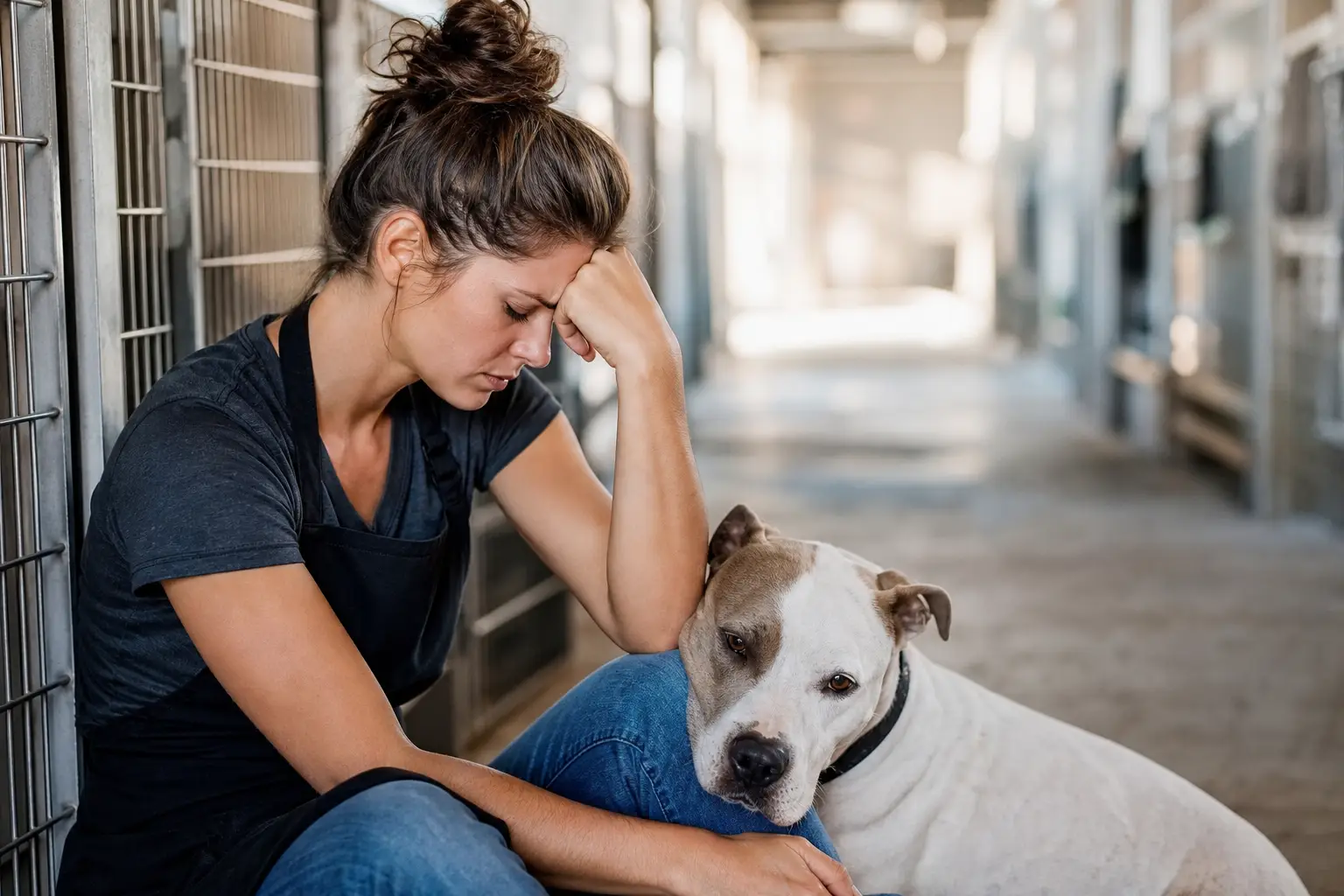
When winter arrives, animal rescues don’t just face colder weather. They face a crisis in slow motion. Intake numbers spike, medical emergencies multiply, and the costs that follow can cripple an unprepared organization. What started as a manageable autumn shifts into something far more demanding by January, when the money runs out and the animals keep arriving.
The hidden costs of intake surge aren’t always visible in a spreadsheet until it’s too late. A rescue might budget for their typical monthly intake of 40 animals, only to find themselves caring for 150 by mid-December. Each additional animal means food, shelter space, veterinary care, and labor hours that weren’t planned for. And when you’re operating on razor-thin margins (most animal nonprofits are), that unprepared surge becomes an existential threat.
This section breaks down exactly what winter does to rescue operations and why your organization needs to start preparing now, not when the first blizzard hits. Understanding these hidden costs isn’t just about numbers. It’s about ensuring your advocates, your facilities, and your animals can actually survive the season ahead.
Why seasonal intake surges strain shelter resources differently
Winter intake isn’t just “more of the same.” It’s qualitatively different from other seasons. When temperatures drop, abandoned animals don’t just need shelter and food. They need heated spaces, additional bedding, more frequent health monitoring, and preventative care to stop minor conditions from becoming life-threatening emergencies.
A cat with a respiratory infection might recover on its own in September. In January, that same cat can develop pneumonia within days if it doesn’t have a warm, clean kennel and close veterinary oversight. The medical complexity increases dramatically, which means longer treatment timelines and higher pharmaceutical costs. Resources that advocates thought would stretch across 50 animals now must stretch across 100, with each individual requiring more intensive care.
Facility strain compounds these medical demands. Most rescues operate with physical space designed for their average intake, not their peak. When double or triple the normal number of animals arrives, something breaks.
Kennels get overcrowded, which spreads illness faster. Cleaning protocols that worked fine at capacity become impossible to maintain. Staff members skip breaks to keep up.
Behavioral issues spike because animals experience stress from crowding. Each of these problems cascades into others, and before leadership realizes what’s happening, the entire operation is in reactive crisis mode instead of functioning with any real strategy.
Then there’s the ripple effect on adoption programs. During winter, adoption interest typically drops. Families aren’t actively seeking new pets during holiday chaos and cold weather.
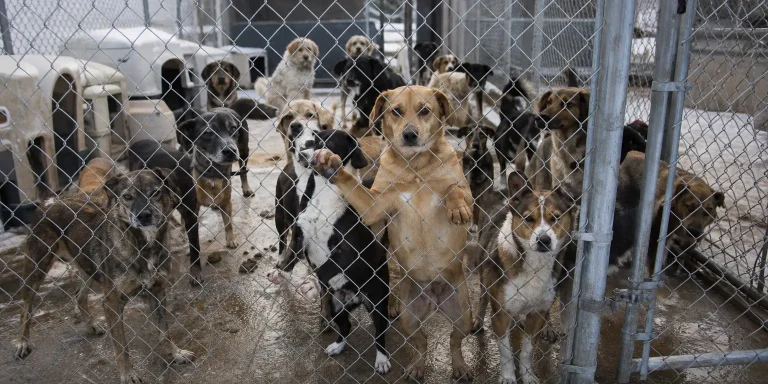
So animals stay longer in the rescue, consuming more resources while fewer leave out the door. This creates a painful bottleneck where intake stays high but output stays low, and your facility fills to breaking point.
Regional variations in winter animal emergencies and abandonment rates
Winter affects different regions completely differently, and your rescue needs to understand exactly what winter means in your climate.
In northern states, winter abandonment is often deliberate and tragic. Owners in Chicago, Colorado, and Minnesota know their local rescues will be overwhelmed, and some choose to abandon animals rather than surrender them properly. These animals arrive malnourished, frostbitten, and sick.
The medical bills are staggering. A dog rescued from an abandoned property after being outside for three days doesn’t just need vaccinations and a meal. It needs wound care, antibiotics, possible amputations, and weeks of recovery.
What cost $200 to care for in October costs $2,000 in December.
Southern rescues face different pressures. Florida, Georgia, and Houston see seasonal influxes from northern adopters who relocate and then abandon pets when they realize the commitment they’ve made. The abandonment rate in urban areas during winter migration season can increase by 40% or more. These animals also arrive sick and traumatized, but they’ve often been neglected for longer before surrender happens.
Across all regions, the common thread is that winter creates animal emergencies that are both more numerous and more medically severe. Cold-weather injuries, malnutrition, and untreated chronic conditions arrive all at once, within a narrow window where your organization is already stretched thin.
The financial ripple effect of unprepared facilities during peak season
An unprepared rescue doesn’t just fail at one point. It fails everywhere simultaneously. Understanding this cascading financial impact is why preparation isn’t optional.
Start with veterinary costs. A prepared rescue negotiates standing relationships with veterinarians, establishes payment terms, and budgets accordingly. An unprepared rescue in crisis mode makes urgent decisions without time for cost analysis.
Emergency surgeries happen. Boarding at external facilities costs double normal rates because it’s urgent. Medications are purchased at retail prices instead of bulk discounts.
That’s how a rescue budgeted for $8,000 in monthly veterinary expenses suddenly faces $25,000 bills.
Labor costs multiply because work expands to fill crisis mode. Staff works overtime. Your advocates take extra shifts. You might need to hire temporary help or contract with external organizations for support. When you’re paying people premium rates to manage chaos instead of prevention, your budget collapses fast.
Facility deterioration accelerates too. Overcrowded conditions cause damage. Equipment fails under stress. Your heating system, designed for normal capacity, can’t keep up. Cleaning supplies run out. You’re making emergency purchases at retail prices when you should have ordered months ago. A rescue that budgets $400 monthly for supplies suddenly needs $1,200 because everything is urgent.
This is why building resilience through. Prepared organizations have cushion. They can absorb the surge. Unprepared ones spiral into debt that takes years to recover from.
Staffing and Labor Costs During High-Volume Periods
Calculating increased payroll needs for seasonal expansion
Winter doesn’t just bring more animals through your doors. It brings a dramatic shift in your operational budget, and payroll is almost always where rescue organizations feel the squeeze first. Most shelters operate on razor-thin margins year-round, but when intake doubles or triples during winter months, your existing staff becomes dangerously overextended without strategic planning.
Start by analyzing your intake patterns from the past three winters. What’s your baseline monthly intake in October? How much does that jump by December? A typical mid-sized rescue might see 40% to 60% higher intake during the coldest months. From there, you can calculate how many additional full-time equivalents (FTEs) you’ll need to maintain animal care standards without destroying your team.
Here’s what many advocates miss: the cost of temporary staffing isn’t just hourly wages. Factor in onboarding, training, payroll taxes, workers’ compensation insurance, and administrative overhead. A temporary kennel attendant at $16/hour effectively costs your organization closer to $22/hour when you account for these hidden expenses. If you need three additional staff members for four months, you’re looking at roughly $17,000 to $22,000 in additional payroll costs before supplies or medical care enter the equation.
Building accurate projections also means understanding role-specific needs. You can’t cross-train a receptionist into advanced medical assessment overnight. Your surge staffing plan should identify which positions demand experience and which can absorb newer team members. Understanding the economics helps you allocate limited resources where they matter most.
Recruiting and training temporary staff in advance
Waiting until November to hire seasonal staff guarantees two problems: you’ll recruit whoever is available, not whoever is qualified, and you’ll have minimal time for meaningful training. Winter surge staffing requires planning that starts in August or September.
Post positions early and be specific about what you’re offering. Many rescue organizations undersell the emotional reward of this work, but temporary staff also want predictable schedules and clear expectations. Clearly state whether shifts are full-time, part-time, or variable.
Will you need someone for just December and January, or through March? Transparency reduces turnover during the season when you can’t afford it.
Develop a structured onboarding program before you hire anyone. This means written protocols for animal handling, cleaning procedures, infectious disease protocols, and behavioral assessment basics. Don’t assume temporary staff will absorb culture through osmosis. A dedicated trainer, even if it’s a rotation among experienced staff, ensures consistent quality and reduces errors that could harm animals or your team.
Training also means safety training. Winter intake often includes animals exposed to harsh conditions, potential parasites, and illness. Your temporary team needs to understand biosecurity protocols, personal protective equipment requirements, and when to escalate concerns to senior staff. This investment prevents disease outbreaks that could cost far more than training ever would.
Consider recruiting from previous seasons. If someone performed well last year, reach out in summer with a job offer before you’re desperate. You’ll also want to build relationships with local colleges, community organizations, and volunteer groups that might refer qualified candidates.
Managing volunteer burnout while scaling operations
Volunteers are the backbone of most rescue operations, but winter surge can transform them from enthusiastic supporters into exhausted workers on the verge of complete disengagement. When your existing volunteers see the shelter overflowing with animals, their instinct is to volunteer more. Without careful management, this becomes a burnout spiral that damages your organization long after winter ends.
The first step is protecting your volunteer base from unsustainable schedules. Set clear caps on hours per week and enforce them, even when volunteers push for more. Someone volunteering 20 hours weekly is not twice as valuable as someone volunteering 10 hours. The person working sustainable hours will still be there in February, while the overextended volunteer may disappear entirely.
Assign volunteers strategically. Not every volunteer needs direct animal care. Rotate roles so people experience variety and develop skills across different departments.
A volunteer who spends every shift scrubbing kennels will burn out faster than someone who rotates between cleaning, intake support, and foster coordination. Variety reduces monotony and helps people feel they’re making broader impact.
Most importantly, communicate clearly about what’s realistic. When advocates understand how resources actually work during sustainable rescue operations, they make more informed decisions about their involvement. Transparency about your crisis and needs actually builds stronger commitment than pretending everything is manageable.
Without adequate staffing and volunteer management, your rescue cannot maintain quality care or prevent the kind of crisis situations that demand emergency animal donations. Invest in your team now so your animals receive the care they deserve all winter long.
Medical and Care Supply Requirements
Anticipating higher demand for vaccines, medications, and treatments
Winter doesn’t just bring more animals through your doors, it brings sicker animals. The combination of cold exposure, malnutrition, and stress-related illness means your veterinary supply costs will spike dramatically during the seasonal intake surge. Rescue advocates need to understand this reality early, not when you’re already running on empty.
A typical rescue might use 40-50 vaccines monthly during normal operations. In winter, that number easily doubles or triples depending on your geographic region and the severity of the season. Respiratory infections, intestinal parasites, and upper respiratory disease spread rapidly through shelters when animals arrive from outdoor environments and harsh conditions. Your vaccination protocols don’t change, but the volume absolutely does.
Beyond vaccines, medications for treating mange, ringworm, kennel cough, and other common winter ailments become essential supplies. Many incoming animals arrive with untreated infections that require weeks of medication. Antibiotics, anti-fungal treatments, and anti-parasitic medications aren’t optional. Understanding where your donation helps supporters grasp why medical supplies consume such a substantial portion of winter budgets.
Start forecasting in September. Pull historical data from previous winters, calculate per-animal medication costs, and add 30-40% to account for unpredictable disease patterns. This isn’t guesswork, it’s preparedness.
Contact your veterinary suppliers now to lock in pricing and discuss payment terms that work with your cash flow. Many suppliers offer tiered discounts for seasonal commitments, which can save 10-15% on essential medications.
Building strategic inventory without overstocking
The temptation during intake surge is to buy everything in bulk. That instinct is understandable but financially dangerous for nonprofits operating on thin margins. Strategic inventory means purchasing what you’ll actually use within reasonable timeframes while avoiding dead stock that ties up limited funds.
Create a tiered supply system. Essential medications and vaccines come first, every single time. These directly prevent suffering and death. Secondary supplies like specialty foods, supplements, and comfort items come second. Non-critical items come last. This hierarchy ensures your emergency animal donations stretch as far as possible, even when budgets are tight.
Work with your veterinarians to establish realistic consumption rates. A 50-dog shelter won’t need the same flea and tick prevention inventory as a 200-dog facility. Factoring in adoption rates, transfer partnerships, and expected length of stay helps you calculate precise needs. Overstock creates waste. Understock creates crisis. The middle ground requires honest forecasting.
Consider rotating stock agreements with neighboring rescues. If you typically need 200 doses of a medication but purchase 400 to save money, partner with another organization to split bulk orders. This approach reduces individual costs while preventing waste. Many animal welfare nonprofits have discovered that collaboration on supply purchasing saves thousands annually while strengthening community bonds between advocates.
Addressing cold-weather health conditions in incoming animals
Animals arriving during winter present distinct medical challenges that spring and summer intakes simply don’t. Frostbite, hypothermia, and cold-related dehydration require specific treatment protocols. Beyond acute exposure injuries, the stress of winter conditions suppresses immune systems, making secondary infections more likely and more severe.
Mange outbreaks accelerate in cold weather when animals huddle together for warmth outdoors. Ringworm thrives in the damp conditions of winter shelters. Respiratory infections spread faster among stressed, malnourished animals. Understanding the true cost becomes crucial when you’re treating multiple concurrent health conditions in a single animal.
Develop winter-specific intake assessment protocols. Train staff to recognize early signs of cold exposure and nutritional deficiency. Implement immediate warming procedures, nutritional support, and preventive medication protocols for incoming animals. Many preventable complications become emergencies simply because early intervention didn’t occur.
Budget for extended treatment timelines. A mange case that might resolve in four weeks during summer could extend eight weeks in winter due to cold stress and compromised healing. Respiratory infections linger longer. Parasitic loads are heavier. Your average cost-per-animal increases substantially, which is exactly why planning for emergency response protocols matters before winter arrives.
Facility Infrastructure and Maintenance Preparedness
Winterizing shelter spaces to handle increased occupancy safely
Winter intake surges demand more than just opening extra kennel space. Your facility needs to actually function as a safe, humane environment when temperatures drop and animal numbers spike simultaneously. This means evaluating every corner of your shelter through a winter-readiness lens.
Start by assessing insulation in kennels, cat rooms, and holding areas. Gaps in walls, poor door seals, and inadequate weatherstripping allow heat to escape and cold drafts to penetrate where vulnerable animals are housed. A rescue operating at 150% capacity during peak winter months can’t afford inefficient spaces. Each degree of lost heat translates to higher utility costs and increased stress on already-stretched animals, particularly young kittens, elderly dogs, and those recovering from medical emergencies.
Ventilation becomes trickier when you winterize. You need to seal against cold air while maintaining proper airflow to prevent respiratory disease outbreaks (which spread like wildfire in crowded conditions). Install or upgrade exhaust fans with dampers that close when not running, and ensure intake vents have filters. Poor ventilation in a packed shelter is a recipe for pneumonia and upper respiratory infections, which then demand veterinary intervention you’re not budgeted for.
Floor maintenance matters more than rescues often realize. Concrete gets slippery when wet and cold, creating injury risks for staff and animals. Rubber matting in high-traffic areas provides traction and insulation. It’s an upfront cost, but preventing staff injuries (and the workers’ compensation claims that follow) during busy seasons pays for itself fast.
Don’t overlook quarantine and isolation spaces. Winter brings more sick animals through your doors. Respiratory issues, parasites, and contagious diseases require segregated housing, and surge season doesn’t pause for inadequate facilities. You need dedicated, heated isolation rooms separate from general populations.
Planning for heating, water, and utility cost increases
Heating bills can double or triple during winter months, especially for rescues in cold climates. A 50-dog shelter that costs $800 monthly to heat in fall might hit $2,400 by January. Multiply that across a six-month winter season, and you’re looking at substantial unbudgeted expenses when resources are already stretched thin.
Start tracking your facility’s heating efficiency now. Have a professional audit your HVAC system. Older furnaces operate at 60-80% efficiency; modern units hit 95%.
Upgrading might cost $5,000-$15,000, but the payback period during winter is often two to three seasons. Some utility companies offer rebates for shelter nonprofits upgrading to efficient systems, so ask before you assume the full cost falls on your budget.
Water usage spikes during intake surges. More animals mean more cleaning, more water bowls to fill, more laundry. Winter also requires heated water for kennels and cat areas (cold water causes hypothermia stress).
Pipe insulation in exposed areas prevents frozen lines that force emergency plumber calls mid-blizzard. Installing low-flow fixtures and training staff on conservation keeps consumption reasonable without compromising sanitation standards.
Propane and natural gas for heating should be locked in early if your region allows fixed pricing through winter. Spot-market heating fuel costs during cold snaps can spike 40-60%. Securing rates in September or October protects you from December surprises. If you use space heaters as backup, ensure they’re thermostat-controlled and placed safely away from bedding and animals.
Create a utility contingency line in your winter budget. Don’t estimate based on current costs; budget 30% higher. It’s better to fundraise for surplus than to discover mid-February that heating consumed reserves you allocated elsewhere.
Ensuring adequate housing and sanitation capacity
An intake overload explained reveals that many rescues operate at 85-95% capacity even during normal seasons. Winter pushes that to 110-130%. You can’t just stack animals into existing spaces. Code violations, stress-related behavioral problems, and disease transmission become inevitable.
Evaluate your current housing. How many kennel runs do you have? How many cat cages, isolation rooms, and quarantine areas? Be honest about condition too. Old kennels deteriorate faster under heavy use. A unit housing animals 24/7 during surge season accumulates wear and tear rapidly. Plan repairs and replacements now, before winter demand crushes aging infrastructure.
Sanitation capacity is where rescues often fail catastrophically. Winter animals spend more time indoors. Soiled bedding, litter boxes, and water contamination spread illness fast in crowded conditions. You need enough cleaning supplies, waste disposal capacity, and laundry capability to maintain sanitation standards even at 150% normal occupancy.
Consider this: if you normally use 50 bags of litter monthly, surge season might require 150. Multiply that across food, cleaning chemicals, paper towels, and laundry detergent. Supplies that cost $2,000 monthly become $4,500-$5,000. Securing bulk purchasing agreements and storage space for winter supplies before September helps stabilize costs and ensures you don’t run short mid-surge.
Partner with local vendors who can deliver emergency supplies quickly if you run short. And don’t forget waste removal. More animals and longer indoor times mean more refuse. Dumpster pickup frequency might need to increase during winter months, adding another variable cost to your planning.
Fundraising and Budget Planning Strategies
Launching winter-focused fundraising campaigns early
The time to start winter fundraising isn’t in November. It’s now. Most rescues wait until November or December when the damage is already done, then scramble to close massive funding gaps while simultaneously drowning in intake. That’s the opposite of preparation.
Launch your winter campaign in September or early October. Give yourself the runway to build momentum, test messaging, and actually reach donors before they’ve allocated their year-end giving budgets to other causes. This means creating a dedicated landing page, email sequences, and social content that speaks directly to winter challenges: the cold, the medical emergencies, the overcrowding.
Be specific about what you’re raising for. Don’t just say “help us through winter.” Instead, frame campaigns around actual costs: heating bills, emergency wound care for frostbitten paws, extra food supplies, blankets, and straw for outdoor shelters. Donors respond to concrete needs. When they understand that their $50 becomes two weeks of heating fuel or their $150 covers critical bloodwork for a hypothermic dog, they’re more likely to give.
Segment your donor base and customize asks. Major donors should receive detailed briefings about your operational capacity and what specific funding preserves your ability to accept animals in crisis. Annual supporters need a different message (gratitude, impact updates) than new prospects (education about winter’s seasonal toll). The winter food supply model works because it channels specific resources toward a defined problem.
Creating transparent cost projections for donors and supporters
Donors want to know where their money goes, especially when you’re asking for significant winter funding. Build a cost projection document that breaks down your anticipated expenses month by month from November through February. Include line items for staffing increases, medical supplies, utilities, food, enrichment, and facility maintenance.
Here’s what transparency actually looks like: if you typically spend $8,000 monthly on operations and winter pushes that to $14,000, explain why. Show the donor exactly what drives the increase. Maybe it’s an extra part-time staff member ($2,500), increased heating and utilities ($1,800), higher medical supply costs due to injury volume ($1,500), and additional food for increased intake ($700). That specificity builds trust.
Create a tiered fundraising goal. Show donors your minimum threshold (what’s absolutely essential to keep doors open), your target goal (what allows you to maintain current capacity), and your aspirational goal (what lets you expand or launch new programs). This prevents the false narrative of “we need all or nothing” and acknowledges that partial funding still saves lives.
Share your projections publicly. Post them on your website, include them in newsletters, and reference them in grant applications. Transparency isn’t a liability; it’s your strongest advocacy tool.
When donors see that you’ve done the math and planned strategically, they’re more confident in your leadership. And when other rescues see your model, they understand what serious preparation actually requires.
Securing grants specifically designated for seasonal operations
Most grants go to program expansion or capital projects, not operational sustainability. That means you have to search harder for seasonal funding opportunities, but they exist. Start with local community foundations, which often prioritize local animal welfare and may have emergency or seasonal funding cycles separate from their main grant calendar.
Corporate grants are underutilized by rescues. Pet supply retailers, veterinary pharmaceutical companies, and regional businesses benefit from good press and genuine purpose-driven partnerships. These aren’t always advertised through traditional grant databases; you have to ask directly. A local pet food manufacturer might fund a “general rescue fund” specifically for winter supplies if you frame it right.
Government funding sources matter too. Check your state’s animal welfare allocation, municipal community development block grants (which sometimes cover nonprofit operations), and disaster-relief funding if you can frame winter intake surge as a public health issue.
Apply early and apply often. Most grant cycles close in September or October for funds deployed in January through March. Missing deadlines means missing the resources you desperately need. Set up a simple tracking system with deadlines, requirements, and amounts. Each grant application takes 6-8 hours, so budget this work into your fall planning.
Reference past crisis cases in applications. If you’ve used emergency funds to save specific animals, document those outcomes. Show how emergency donations create. Funders want proof that their investment actually prevents suffering and keeps rescues operational through predictable seasonal strain.
Operational Systems to Prevent Crisis Management
Implementing intake protocols that manage flow without turning animals away
The temptation during winter surge is to simply say no. Doors close. Intake stops. Animals suffer outside. But effective animal advocates know there’s a middle ground, and it exists in protocols that actually work.
Start with a tiered intake system that distinguishes between emergency cases and routine intakes. Medical emergencies (severe injury, illness, abuse, exposure) get priority placement every single time. Routine surrenders or strays without immediate medical needs can move into a waiting list with a clear timeline. This doesn’t turn animals away; it manages capacity while honoring your mission.
Implement a foster-to-intake pipeline. Before winter hits, recruit and train backup foster families specifically for overflow situations. When kennels fill, animals move into foster homes immediately, freeing up facility space for the next intake.
This requires administrative overhead and volunteer coordination, but the return on investment is significant. You’re leveraging community resources instead of turning abused animals away at the door.
Create an intake assessment tool that can be completed in under five minutes. Quick categorization (medical priority, behavioral concerns, breed-specific holds, legal holds) allows staff to process animals faster without sacrificing decision quality. Staff burnout intensifies when intake staff are overwhelmed by paperwork; streamlined documentation prevents that downstream crisis. Documentation software specifically designed for rescue operations can reduce intake processing time by 30 to 40 percent.
Partner with local veterinarians on a tiered triage system. High-acuity medical cases go to your primary vet immediately. Stable animals wait for routine wellness checks during scheduled clinic hours. This prevents veterinary bottlenecks that create facility gridlock and frees up funding for actual emergency care rather than expedited appointments.
Using data to forecast needs and allocate resources efficiently
You can’t manage what you don’t measure. Data collection sounds tedious, but it’s the difference between reactive crisis management and proactive preparation.
Track seasonal intake patterns for at least two years before winter. Document daily intake numbers, animal types, medical needs, length of stay, and adoption rates by month. This historical data reveals your specific risk periods.
Maybe your intake surges in late November rather than December. Maybe cats overwhelm your capacity more than dogs. Generic winter preparation advice misses your unique operational reality.
Use predictive modeling to forecast resource needs. If you averaged 45 intakes per week last January with a 60-day average length of stay, you’ll need kennel space for roughly 390 animals during peak months. Work backward from that number to calculate staffing needs, medical supply budgets, and foster recruitment targets. The math removes guesswork and gives your fundraising strategy concrete numbers to justify budget requests.
Implement a resource allocation dashboard that tracks supply levels, staffing hours, and medical capacity in real time. When supplies drop to 20 percent of needed levels, automated alerts trigger reordering before crisis hits. When staff utilization exceeds 90 percent, you know it’s time to activate backup volunteers. Data-driven decisions prevent the sudden scramble that defines crisis management. Building resilience through systems like these means you’re prepared before winter arrives, not scrambling through seasonal shelter overwhelm.
Building partnerships with other rescues for capacity sharing
No rescue succeeds alone during surge periods. Competitive tension between organizations wastes resources and costs lives. Collaborative capacity sharing actually prevents crisis management.
Establish formal mutual aid agreements with rescue organizations within a 50-mile radius. Define specific triggers for activation (such as reaching 85 percent capacity), identify which animals can transfer to partner organizations, and clarify transport logistics before emergency calls happen. A signed agreement beats a “we’ll figure it out” conversation at 11 p.m. on a Saturday when your kennel is overflowing.
Create a tiered partner network based on specialty. If one rescue has exceptional orthopedic surgery capacity, another excels with fearful dogs, route appropriate animals to their expertise. This isn’t about dumping animals; it’s about strategic placement that maximizes each organization’s strength. Animals receive better care when they’re placed where staff actually have relevant experience.
Develop shared procurement agreements that leverage combined purchasing power. Three rescues ordering medical supplies together negotiate better pricing than one organization ordering alone. Seasonal bulk purchasing of winter supplies (heating pads, blankets, straw, de-icer) becomes affordable when split across partners. The savings fund additional animal care directly.
Most importantly, build these partnerships during calm periods when collaboration feels optional. Trust develops slowly, and you absolutely cannot establish these relationships when your facility is already at capacity. Organizations that invest in partnership infrastructure during September are the ones preventing burnout and saving more animals through January. That’s sustainable rescue advocacy, and it’s achievable when you treat winter preparation as a systems problem rather than an individual rescue problem.
Related Posts
- Summer Heat Emergencies: What Shelters Need Most
- Underfunded, Understaffed, Lifesaving: The Economics of Small Shelters
- The True Cost of Emergency Veterinary Care (And Why Speed Matters)
- When Adoption Isn’t Enough: Why Emergency Medical Care Is Critical
- The Ripple Effect: How One Emergency Donation Saves Multiple Animals
- Building Resilience: Why Shelters Need Emergency Reserves (And How You Help)
- The Math of Mercy: Breaking Down Where Your Donation Goes