Understanding the Foundation of Effective Rescue Networks
Most people think all animal rescue organizations work the same way. Walk into a facility, see animals in need, write a check. But the reality is far more complex, and understanding that difference could be the key to actually saving more lives in your community.
The animals don’t care about organizational structure, of course. A dog in crisis needs help regardless of whether they’re being helped by a traditional shelter or a specialized rescue network. What matters is speed, expertise, and resources. And that’s where most people’s understanding breaks down.
When emergency situations hit, when a litter of newborn kittens arrives at midnight or an injured animal needs immediate veterinary intervention, the difference between what works and what doesn’t comes down to how prepared your community’s rescue infrastructure actually is. A single organization, no matter how well-intentioned, cannot address every emergency scenario. They can’t stockpile every resource type. They can’t be everywhere at once.
This section covers the foundational concepts that separate effective rescue networks from well-meaning but ultimately overwhelmed individual organizations. Understanding these principles is essential before you can build, support, or participate in advocacy coalitions that genuinely save lives.
How rescue organizations differ from traditional shelters and why it matters
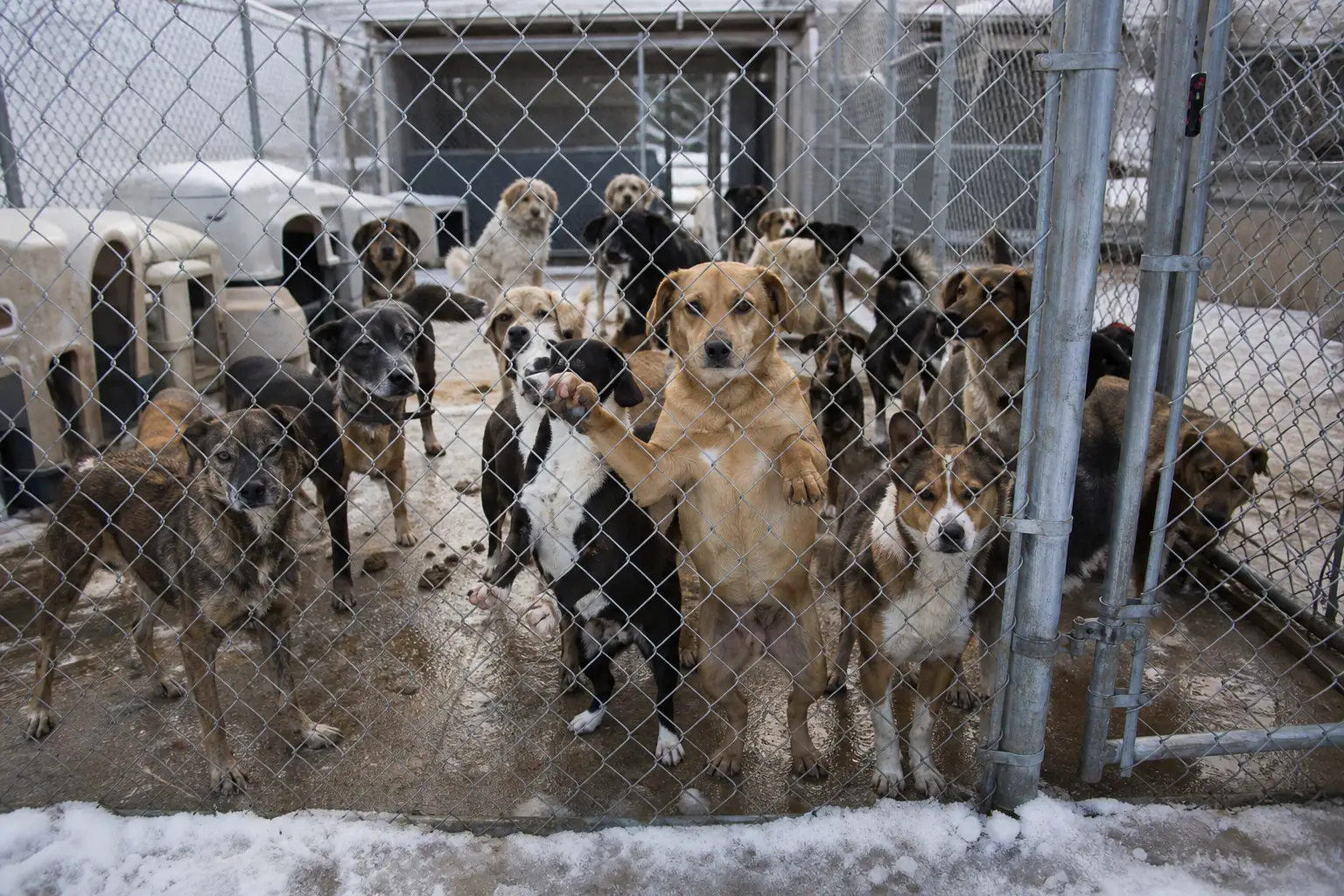
The terminology matters more than most people realize. Traditional animal shelters operate as intake centers. They take in animals from the public, provide basic care and medical assessment, and then place them through adoption or transfer. Their model is intake-focused, capacity-limited, and inherently reactive.
Rescue organizations operate differently. They work with animals that already have homes or have specialized needs that shelters can’t address. Rescue groups focus on specific populations, medical conditions, or behavioral challenges.
A dog rescue might specialize in trauma-informed rehabilitation for abused animals. A cat rescue might focus exclusively on medical cases that require extended treatment periods.
The structural difference creates operational advantages. When you specialize, you develop expertise that generalist shelters simply can’t maintain. Your volunteers understand the specific challenges. Your medical partnerships align with your mission. Your foster network becomes a genuine extension of your capacity rather than an afterthought.
Traditional shelters operate under public mandate with government funding. They must serve everyone regardless of complexity. Rescue organizations can choose their scope, develop deep expertise, and build sustainable models around what they do best.
Neither is better or worse in absolute terms, but they serve different functions. And communities that understand this distinction build better safety nets for animals in crisis.
The role of specialized networks in addressing capacity and resource gaps
Here’s the practical reality that most animal welfare nonprofits face: individual organizations hit capacity walls constantly. A shelter reaches maximum occupancy. A rescue group runs out of foster homes. Medical costs for a single case threaten the annual budget. These aren’t failures of management. They’re inevitable constraints of working within a single organizational structure.
Specialized networks solve this through intentional coordination. When rescue organizations connect into coalitions, they create redundancy and resource-sharing mechanisms that no individual group could achieve alone. One organization might have surplus foster capacity while another has access to specialized veterinary partnerships.
A third might have strong corporate donor relationships that enable emergency funding. Network thinking means sharing those assets.
When organizations work together, they can address capacity gaps before they become crises. A rescue facing medical emergency costs can tap into emergency Animal Donations through partner networks rather than launching individual fundraising campaigns. Organizations can specialize deeper because they’re not trying to be everything to everyone within their own walls. They trust their coalition partners to handle the pieces that aren’t their core mission.
The most effective networks also establish clear communication protocols for when crisis moments hit. Who handles intake when volumes spike? Which organizations take which types of cases?
How does emergency funding flow? These aren’t decisions made in panic mode. They’re built into the coalition structure beforehand, which means response is faster and more coordinated when animals actually need help.
Key metrics that define success in community-based animal rescue
Effective rescue networks measure success differently than traditional shelters. Shelters typically track adoption rates, length of stay, and basic medical outcomes. Those metrics matter, but they miss the deeper impact that coordinated coalitions create.
Network-focused metrics include: animals saved per dollar spent across the entire coalition, not just one organization. Speed of response time when emergency cases arrive. Percentage of animals receiving specialized care (trauma-informed treatment, medical rehabilitation, behavior assessment).
Volunteer retention and satisfaction (because burnout prevention directly impacts your capacity). Success rate for animals requiring intensive rehabilitation before adoption.
The most important metric might be invisible: how many animals were never in crisis to begin with because your community’s network caught them earlier through coordinated prevention work. That’s harder to count, but it’s where real systemic change happens.
Coalition success also means measuring partner health. Are participating organizations thriving or struggling? Are resources actually flowing where needed, or is one organization carrying disproportionate burden? Understanding these dynamics means your network can adjust, support struggling partners, and prevent burnout that fractures coalitions.
Building Trust and Transparency Among Coalition Partners
Establishing clear communication protocols across rescue organizations
Trust doesn’t materialize out of thin air. It’s built through consistent, transparent communication where every partner knows exactly what to expect from the others. In animal rescue networks, miscommunication can literally cost lives. A delayed message about a dog’s medical status, an unclear chain of command during an emergency, or conflicting protocols between organizations creates chaos when time is critical.
The most effective coalitions establish written communication standards from day one. This means defining who communicates with whom, what information gets shared, how quickly responses should happen, and what platforms everyone uses. Some networks use dedicated Slack channels for urgent cases, while others maintain phone trees with backup contacts.
The method matters less than the consistency. When a rescue in one city needs to coordinate with partners across the region, they shouldn’t be guessing whether an email, call, or text message is the right approach.
Real-world example: A coalition dealing with a hoarding situation involving 40+ animals needs seamless coordination between the initial responders, veterinary clinics, foster networks, and legal teams. If the vet clinic doesn’t know the rescue is already coordinating with animal control, or if nobody tells the foster coordinator which animals are trauma-informed cases requiring experienced handlers, you’ve got duplication, wasted resources, and stressed animals. Clear protocols prevent that chaos.
Document everything in writing. Create a coalition communication handbook that covers emergency contacts, escalation procedures, and decision-making authority. Who gets notified first in a crisis?
Who has the authority to commit coalition resources? How do you handle disagreements between partners? These aren’t comfortable conversations, but having them upfront saves massive headaches when emotions run high and animals are suffering.
Creating shared databases and case management systems for coordinated care
Fragmented information is the enemy of coordinated animal rescue. When one organization tracks cases in spreadsheets, another uses paper files, and a third relies on email chains, you lose critical details. An abused animal might get passed between multiple rescues without anyone knowing its full medical history, behavioral needs, or previous trauma. That’s not just inefficient—it’s dangerous for the animal.
Shared case management systems allow coalitions to maintain unified records that every partner can access in real time. This includes medical history, behavioral assessments, behavioral notes, foster placement details, and legal status. A dog that requires emergency response protocols should have that information immediately visible to any partner handling its case.
The system doesn’t need to be expensive or high-tech. Some coalitions use shared Google Sheets or basic cloud-based platforms. Others invest in dedicated rescue software designed specifically for multi-organization networks.
The key is accessibility, real-time updates, and standardized data entry so information stays consistent. Every partner uses the same fields, the same terminology, the same format.
This matters especially for understanding trauma-informed care needs. An animal that’s been severely abused may need specific handling protocols that only work if the entire network knows about it. A cat that’s fearful of men, a dog that needs to avoid certain triggers, an animal requiring behavioral medication before transport, a creature that needs extra time to decompress in a quiet space. When foster coordinators, transport volunteers, and receiving rescues all access the same database, that animal’s safety and wellbeing stays consistent across every transition.
Developing accountability frameworks that maintain public confidence
The public watches animal rescue organizations closely. They donate money, they volunteer their time, they trust these coalitions with vulnerable lives. That trust evaporates instantly if animals are mishandled, funds are misused, or organizations operate in secrecy. Accountability isn’t optional—it’s foundational to everything the network does.
Strong accountability frameworks include regular audits of case outcomes, transparent financial reporting, and clear consequences when coalition partners breach standards. Document what happens to every animal that enters the network. Track success rates for adoptions, rescue outcomes, medical interventions, and quality of life improvements.
Be honest about failures too. Did an animal experience suffering that could have been prevented? Acknowledge it, explain what went wrong, and change the system so it doesn’t happen again.
Financial accountability matters equally. When donors contribute to emergency animal donations, they deserve to see exactly how those funds saved specific animals. Share stories, share outcomes, share costs. Transparency builds the community networks that actually sustain long-term coalitions. Organizations that hide problems, exaggerate success, or treat donations like black boxes lose credibility quickly.
Establish peer review processes where coalition partners assess each other’s operations. This isn’t about blame—it’s about collective improvement. Are rescue protocols actually being followed? Are animals receiving promised care? Is trauma-informed training being implemented? When problems surface, the coalition addresses them together rather than letting them fester.
Structuring Advocacy Coalitions for Maximum Impact
Identifying and recruiting the right mix of partners and stakeholders
The difference between a coalition that survives and one that thrives comes down to who sits at the table. You need a deliberate strategy for identifying which organizations, individuals, and institutions actually belong in your network.
Start by mapping your region’s animal welfare ecosystem. Who’s already doing rescue work? Which shelters have capacity issues? What veterinary clinics handle emergency cases? Are there trauma-informed trainers, foster networks, or transport coordinators? Once you see the landscape, you can identify the gaps and the overlaps that matter.
The right mix includes direct service providers (rescues, shelters, fosters), subject matter experts (veterinarians, behaviorists, legal advocates), funding sources (donors, foundations, grant writers), and community connectors (nonprofit leaders, corporate partners, government liaisons). Each brings something essential. A rescue without funding can’t save animals.
A funder without ground-level partners doesn’t know where help is needed most. Community networks require both.
When recruiting, be clear about commitment. Not everyone needs to attend every meeting, but everyone should understand the coalition’s mission and their specific role within it. Some partners will contribute resources. Others will contribute expertise or relationships. Some will mobilize communities. All are valuable, but clarity prevents resentment later.
Look for partners who share your commitment to trauma-informed practices and understanding what abused animals actually need during recovery. This values alignment matters more than organizational size. A smaller, deeply committed rescue that understands burnout prevention and sustainable practices will strengthen your coalition far more than a large organization that views partnerships as transactional.
Defining roles and responsibilities to prevent overlap and conflict
Ambiguity kills coalitions. When two organizations think they’re each responsible for the same task, one of two things happens: either the work falls through the cracks, or both organizations waste resources duplicating effort. You prevent this through structured role clarity.
Create a simple matrix that documents who does what. Assign one organization as the lead for emergency response coordination. Designate another for foster placement management. Another handles medical triage. Another manages communications and advocacy. Another focuses on fund development. The assignments should reflect existing capacity and expertise, not wishful thinking.
This doesn’t mean rigid silos. Cross-functional work and collaboration are essential. But someone needs to be accountable for each major function. When a crisis hits and animals need help immediately, you can’t have a thirty-minute meeting to figure out who’s responsible. Those decisions must already be made.
Document everything. Write it down in a coalition charter or operations manual. Include decision-making protocols: Who approves emergency expenditures?
How quickly? What’s the escalation process if consensus isn’t possible? How are disagreements resolved?
These aren’t bureaucratic extras; they’re the difference between a network that functions under pressure and one that falls apart when it matters most.
Build in accountability mechanisms too. Quarterly check-ins allow partners to discuss what’s working and what isn’t. If an organization consistently fails to fulfill its role, address it directly and compassionately.
Sometimes organizations overcommit without understanding their actual capacity. Sometimes circumstances change. The coalition’s job is to adjust and redistribute work fairly, ensuring animals don’t suffer because of internal friction.
Building sustainable funding models that support coalition operations
Coalition work costs money. You need funding to coordinate, communicate, train staff, and respond to emergencies. If you’re relying on the goodwill of exhausted nonprofit employees to volunteer coordination time on top of their regular jobs, burnout is inevitable and collapse will follow.
Develop a funding strategy that reflects coalition costs honestly. Budget for coordinator salaries, meeting spaces, emergency medical care, transport costs, and training. The general rescue fund model shows how dedicated funding for emergency situations actually saves lives when it’s structured intentionally and allocated based on real need.
Diversify your funding sources. Don’t rely solely on grants or individual donors. Build partnerships with corporate sponsors interested in animal welfare. Some businesses will fund coalition operations because it amplifies their community impact. Others will provide in-kind support like warehouse space, transportation, or professional services.
Create a shared fund that coalition members can access quickly during emergencies. When a partner organization encounters a situation requiring immediate resources, they shouldn’t have to wait weeks for funding approval. Building corporate partnerships can provide the predictable revenue needed to maintain this safety net.
Finally, build sustainability by establishing what success actually looks like financially. How much money keeps your coalition functioning? What’s the emergency reserve threshold? At what point do you need to expand your funding efforts? Treating coalition finances with the same rigor you’d use for any organization signals that this work is serious, valuable, and worth sustaining long-term.
Mobilizing Resources and Coordinating on the Ground
Pooling volunteers and specialized expertise across member organizations
The real power of community rescue networks emerges when you stop treating each organization as a siloed operation and start thinking about them as nodes in a unified system. When members understand they’re part of something larger, volunteer capacity multiplies in ways that individual rescues simply cannot achieve alone.
Consider how specialized expertise gets distributed across a coalition. One member organization might have trauma-informed behavioral specialists who understand abused animals. Another has surgical veterinarians on call.
A third has foster network infrastructure that can accommodate overflow animals. Without intentional pooling, these resources stay locked within each organization’s walls. With coordination, they become accessible to every member in the network.
Effective coalitions create volunteer rosters that track not just who’s available, but what specific skills they bring to the table. A data analyst volunteering time can build tracking systems. Transport coordinators might manage logistics across multiple rescues.
Medical volunteers can rotate through partner facilities to provide expertise where it’s needed most. This kind of strategic placement prevents burnout because volunteers aren’t constantly stretched thin at their home organization, yet the network still has access to their capabilities.
The logistics of managing this volunteer pool matter enormously. You need clear documentation about who does what, availability windows, and communication channels. When a crisis hits and you need twelve trained transporters, you can’t afford to spend hours figuring out who can help. The best networks maintain living documents that get updated regularly, ensuring everyone knows exactly who to contact for specific needs.
Managing emergency response networks during crisis situations
Emergency response in animal rescue rarely follows neat timelines or predictable scenarios. A hoarding situation involving forty neglected cats might unfold over days. A natural disaster can strand hundreds of animals overnight. Industrial accidents, puppy mill raids, or community disasters create urgent demands that overwhelm individual rescues within hours.
This is where your coalition structure proves its worth. Pre-established emergency protocols mean you’re not building your response system while chaos is happening. Before any crisis, coalition members should agree on activation triggers, communication hierarchies, and resource-sharing agreements.
What triggers network-wide mobilization? Who has authority to call it? How do you communicate to members that an emergency response is underway?
Real-world coordination during emergencies requires designated incident commanders who can make rapid decisions. Without clear authority and decision-making structures, too many cooks in the kitchen means animals wait while organizations debate who should do what. Some coalitions designate rotating incident commanders based on the crisis type.
A cat rescue network might defer to the organization with the largest feline capacity. A wildlife emergency might activate the member with the most experience in that area.
Documentation during emergencies is critical too. Who’s transporting animals where? Which animals need immediate medical attention? Where are available foster homes? What’s the current intake capacity at each facility? When you’re coordinating across multiple organizations, incomplete information creates dangerous gaps. Using emergency response protocols ensures critical details don’t slip through cracks while animals are actively being rescued.
Leveraging technology to streamline rescue operations and animal placement
Technology is only useful in rescue if it actually gets used. Too many coalitions invest in software that becomes abandoned because it’s clunky, requires duplicate data entry, or doesn’t integrate with existing workflows. The best technology solutions feel invisible to users—they make work easier, not harder.
Real-time animal tracking systems let coalition members see intake capacity at each facility instantly. Instead of guessing whether Partner Rescue A can take another dog, you log into a dashboard and see exactly how many open spots they have. This prevents bottlenecks where animals languish in temporary holding because no one knows where placement availability exists. Some networks use shared databases accessible to all members; others integrate with existing animal shelter software so data flows naturally.
Communication platforms deserve similar attention. Text chains and email threads become impossible to manage during active emergencies. Dedicated Slack channels or Discord servers give rescuers organized spaces to coordinate real-time updates. When volunteers transporting animals can post GPS coordinates and status updates, receiving organizations can prepare appropriately instead of scrambling when animals arrive unexpectedly.
Volunteer matching software can connect available hands to specific needs. When a coalition member posts that they need three experienced medical volunteers for a Tuesday intake, the system can auto-notify qualified volunteers from across the network. This beats the old model of phone calls to five different directors hoping someone knows someone.
Without Voices supports networks like yours that are actually building sustainable infrastructure for animal welfare. Check our latest updates to see how coalitions in your region are coordinating resources and response protocols.
Advocating for Policy Change That Strengthens Animal Welfare
Translating rescue data into evidence-based legislative priorities
The most compelling advocacy starts with numbers. When your coalition has accurate data about animal welfare gaps, overcrowding, emergency funding shortages, and medical outcomes, you’re not just telling stories anymore. You’re building an undeniable case for change.
Begin by cataloging what your network actually sees on the ground. How many animals arrive with untreated injuries or behavioral trauma? What percentage require emergency interventions because preventative care wasn’t accessible?
When you track these metrics consistently across partner organizations, patterns emerge that politicians and regulators can’t ignore. One coalition in California discovered that 73% of incoming rescues needed behavioral rehabilitation but only 18% could access it within their county. That gap became their legislative anchor.
Transform this data into clear policy recommendations. Don’t ask for vague “more funding” or “better standards.” Specify exactly what change looks like. For example, your coalition might request mandatory emergency response protocols in animal welfare statutes, or establish minimum funding thresholds for trauma-informed rescue operations.
When members from various organizations speak to legislators with the same evidence, you’re no longer a collection of nonprofits. You become a unified voice backed by research.
Equally important, make your data accessible to coalition partners and the public. Create annual reports that show what rescue networks actually accomplish when they’re properly resourced. Document how emergency response funding translates to lives saved and recovery timelines shortened. This transparency builds credibility and gives every stakeholder the evidence they need to advocate independently.
Coordinating public awareness campaigns that drive community support
Policy change doesn’t happen in legislative chambers alone. It happens because constituents demand it. Your coalition’s awareness campaigns must tell the human side of your data while maintaining the professional credibility that regulators respect.
Develop a unified messaging strategy across all member organizations. Every coalition partner should be able to tell the same core story about why animal welfare policy matters, even if individual campaigns highlight different aspects. This consistency is powerful. When a legislator hears the same priority from the local cat rescue, a dog rescue across the county, and the regional animal welfare alliance, that repetition becomes persuasive.
Stories like Tiny’s journey illustrate exactly why communities need stronger systems. When you can point to specific animals whose outcomes depended on access to treatment at quality and describe how policy gaps nearly prevented that care, abstract legislation becomes deeply personal. Your campaigns should balance individual narratives with broader systemic arguments.
Coordinate digital and grassroots efforts. If one coalition member is launching a social media campaign about trauma-informed rescue practices, all members amplify it. If another is organizing community meetings about local shelter conditions, the coalition helps mobilize attendance.
This multiplier effect means your combined reach far exceeds what any single organization could achieve alone. You’re not competing for public attention; you’re pooling it strategically.
Building relationships with local government and regulatory agencies
Effective advocacy coalitions maintain ongoing relationships with decision-makers, not just during campaign seasons. These relationships require consistency, reliability, and genuine partnership mindset rather than confrontation.
Start by understanding what local government and regulatory agencies actually need. Agencies often face budget constraints and legal limitations that make animal welfare harder to prioritize without external pressure and resources. When your coalition presents not just demands but concrete solutions (partnerships with established organizations that can handle operations, funding models that don’t increase municipal burden, data systems that improve transparency), you become a valuable ally rather than just another advocacy group.
Schedule regular briefings with relevant agencies. Invite animal control directors, public health officials, and council members to see coalition operations firsthand. Let them observe rescue coordination, understand the resource challenges you face daily, and meet the staff and animals who benefit from better policies. Personal connection builds political will in ways that written reports cannot.
When policy opportunities emerge, be ready to move quickly. Your coalition should have draft language prepared for key priorities, testimony speakers trained and available, and community members organized to attend hearings. Cities like Chicago and Houston have seen meaningful improvements in animal welfare statutes partly because regional coalitions showed up prepared and unified.
Finally, acknowledge wins publicly. When a regulation changes or funding increases, credit the government partners and agencies involved. This positive reinforcement encourages further collaboration and demonstrates to your community that advocacy works.
Measuring Impact and Sustaining Long-Term Success
Tracking outcomes that matter: animal welfare metrics and life-saving statistics
You can’t improve what you don’t measure. Effective rescue networks need clear, trauma-informed metrics that actually reflect the animals’ wellbeing and the coalition’s real-world impact. This means moving beyond vanity numbers like “animals assisted” and digging into the data that shapes decision-making.
Start by defining what success looks like for your coalition. Are you measuring adoption rates, medical outcomes, length of stay in temporary housing, or behavioral recovery progress? Different networks will prioritize differently based on their mission. A coalition focused on emergency response funding will track medical intervention outcomes and survival rates, while one centered on community prevention might monitor adoption stability or animal reintegration timelines.
The most effective coalitions track longitudinal data. Following animals through their entire rescue journey tells you whether interventions actually work. Did that emergency surgery prevent amputation?
Is the adopted animal still thriving six months later? These insights reveal what your coalition does best and where you need to strengthen partnerships or resources. When coalition members from across the region share standardized metrics, you build a collective understanding of what’s preventing burnout in rescue work and what’s saving lives most effectively.
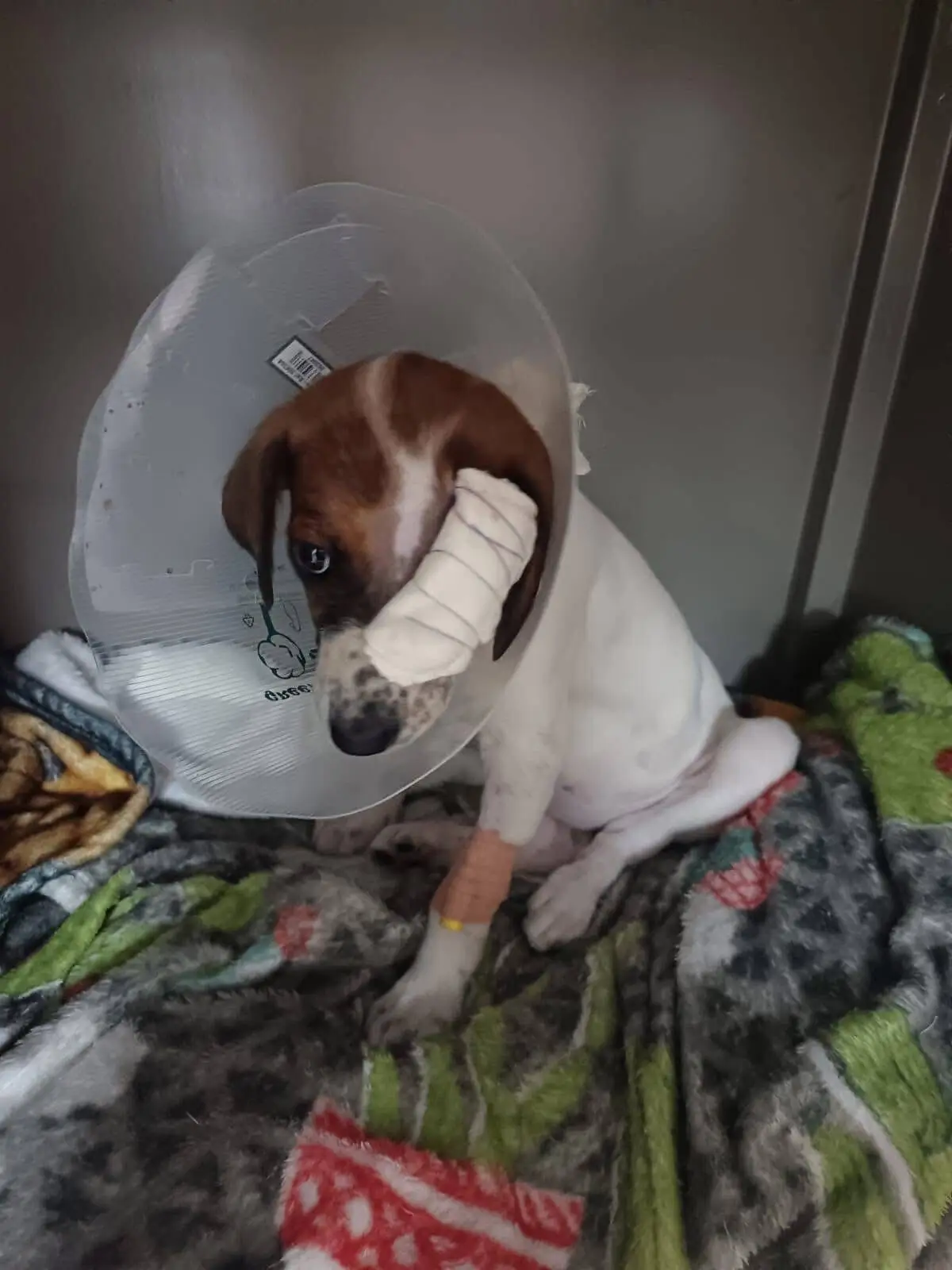
Consider the story of a small dog named Tiny. Her journey through emergency care, treatment at specialized facilities, and ultimately into a stable forever home was only possible because the organizations involved tracked every milestone. From the initial rescue through treatment at hillcrest to finding her forever, data collection demonstrated exactly how coalition collaboration saves individual lives and strengthens the entire network.
Maintaining coalition cohesion through regular evaluation and adaptation
Coalitions aren’t static. They need regular check-ins to stay aligned, address emerging challenges, and adapt to changing needs in the animal welfare landscape. Quarterly or biannual evaluations keep partners connected and prevent the mission drift that weakens networks over time.
These evaluations should be built on psychological safety and understanding. Partners need to feel comfortable discussing what’s working and what isn’t without fear of being blamed or losing support. This is where trauma-informed practices matter.
Many rescue workers and nonprofit leaders have experienced compassion fatigue, burnout, and secondary trauma. Coalition meetings that acknowledge this reality and build in space for honest feedback create stronger bonds and better decision-making.
Adaptation might mean shifting resource allocation when certain animal types need more urgent support, expanding partnerships with veterinary hospitals or foster networks, or redesigning communication protocols when information isn’t flowing smoothly between partners. One coalition might realize it needs more corporate partnerships after analyzing their emergency funding gaps. Another might discover that its member organizations lack consistent understanding of emergency response protocols.
The key is embedding evaluation into your regular rhythm. Don’t wait for crisis moments to examine how your coalition operates. Proactive reflection prevents bigger problems down the line.
Documenting and sharing best practices to strengthen the broader rescue movement
Your coalition’s hard-won lessons shouldn’t stay locked within your network. When you document and openly share what works, you lift the entire rescue movement. This is how communities learn from each other and accelerate progress toward preventing animal suffering at scale.
Document everything worth sharing: successful fundraising campaigns, volunteer training curricula, intake protocols that reduce animal stress, partnership agreements that actually work, and outcome data from your most effective programs. Some of this becomes case studies, some becomes training materials, some feeds into advocacy efforts targeting policy makers who need to understand what rescue-ready communities look like.
Networks across California, Chicago, Houston, Illinois, and Los Angeles are all solving variations of the same problems. When coalition in one region discovers that a particular emergency funding approach accelerates medical care for cats, organizations operating in chicago, houston, and other regions benefit from that knowledge. The rescue movement strengthens when information flows freely.
Building an effective community rescue network isn’t a one-time project. It’s an ongoing practice of measuring what matters, adapting together, and lifting others as you grow. Your coalition has a responsibility that extends beyond your own animals and your own community.
Every life saved, every network strengthened, every best practice shared contributes to a movement that actually prevents suffering at scale. Document your journey, celebrate your wins, learn from setbacks, and keep building. That’s how coalitions transform rescue from reactive crisis management into proactive community protection that sustains meaningful change.
Related Posts
- A Small Dog Named Tiny Needs Emergency Help
- Tiny Receives Treatment at Hillcrest Veterinary Hospital
- Tiny Finds Her Forever Home
- Building Corporate Partnerships for Large Scale Animal Emergency Relief Operations
- Emergency Response Protocols When Animal Rescue Donations Are Critically Needed
- Help Save This Brave Little Puppy – Urgent Eye Surgery Needed
- Why We Focus on Emergency Response Funding for Animals in Crisis