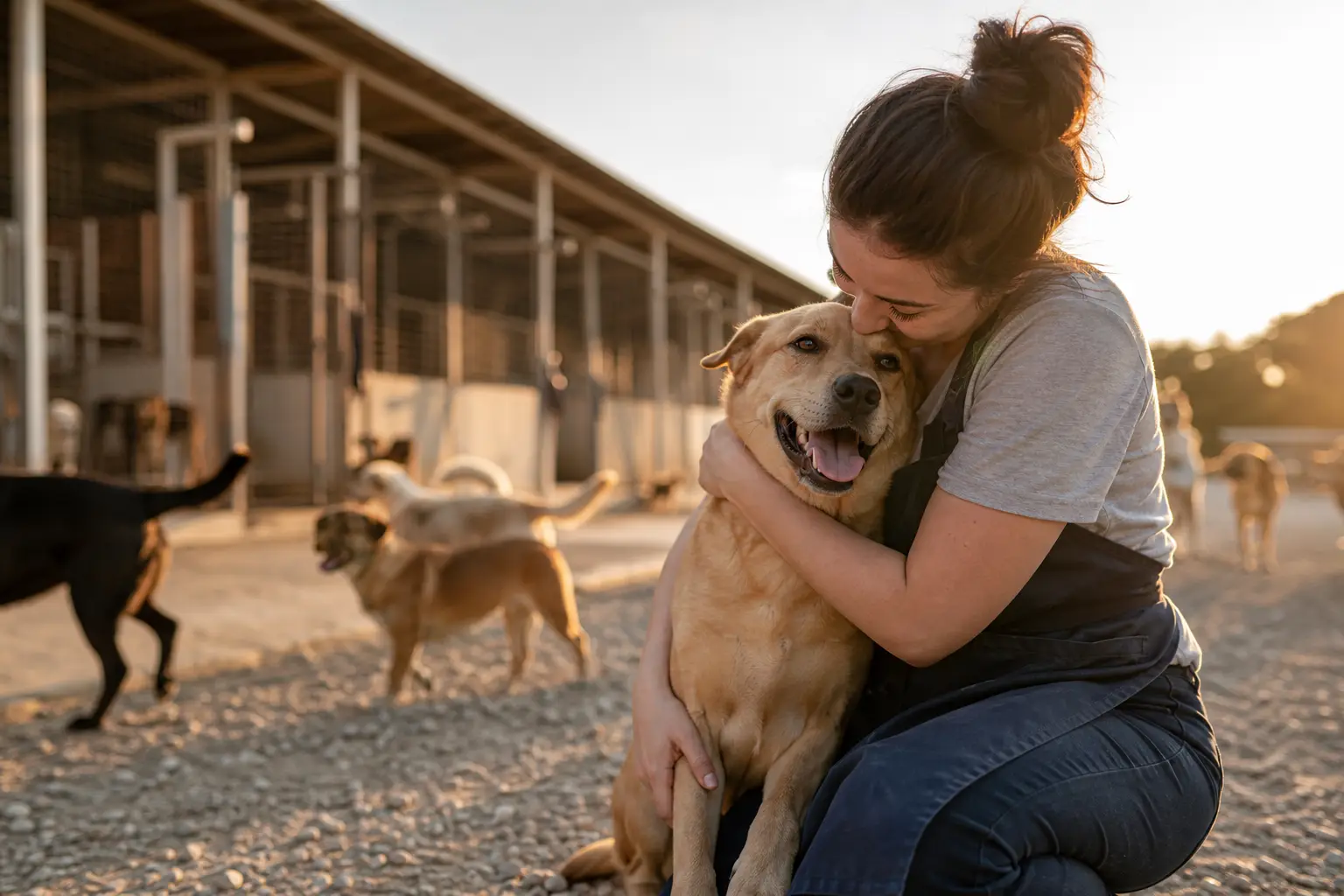
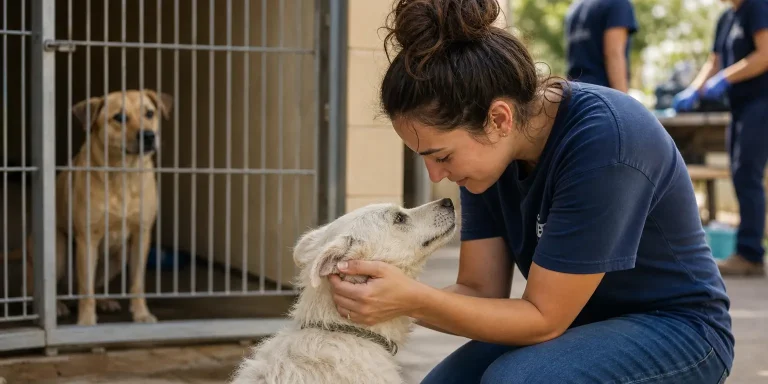
Understanding Burnout in Animal Rescue Work
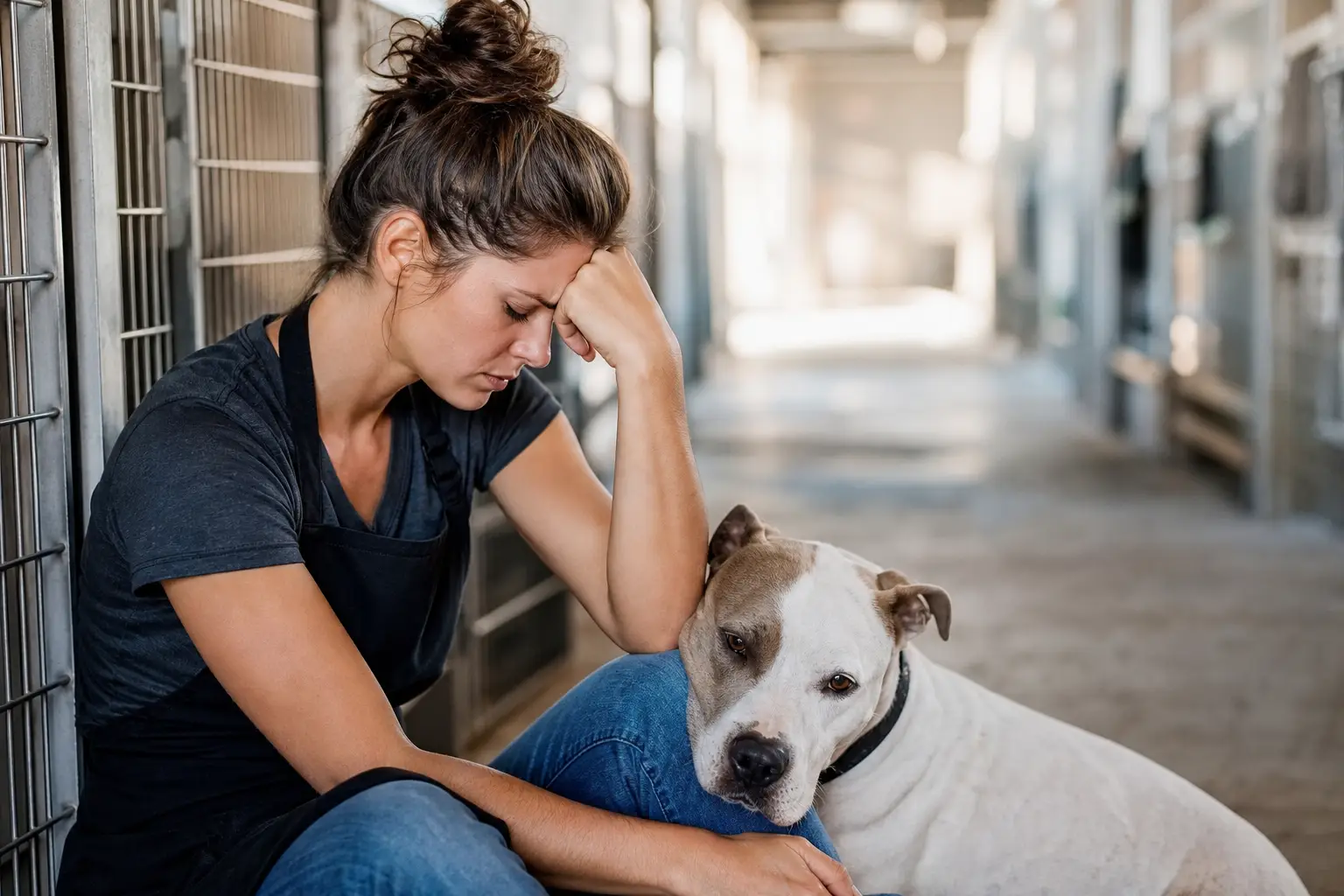
Every animal advocate has experienced that moment. You’re sitting in your car after a rescue call, hands shaking, unable to unsee what you witnessed. A volunteer who’s been with your organization for three years suddenly goes silent on group messages.
A staff member who once radiated passion for the work now arrives late and leaves early, their energy completely depleted. These aren’t character flaws or commitment issues. They’re signs of something that threatens the very mission you’re all working toward: burnout.
The reality of animal rescue work is this: the more you care, the more you’re at risk. Your team members chose this path because they love animals and want to change their lives. That same compassion that makes them exceptional advocates becomes the very thing that can break them down. Without understanding burnout’s hidden costs, even the most dedicated nonprofit animal welfare organization will quietly lose its best people, rescue fewer animals, and perpetuate a cycle of crisis management that prevents sustainable advocacy practices from taking root.
The hidden cost of compassion fatigue in nonprofit teams
Compassion fatigue isn’t burnout’s famous cousin. It’s more insidious. While burnout comes from overwork and lack of resources, compassion fatigue creeps in through repeated exposure to trauma.
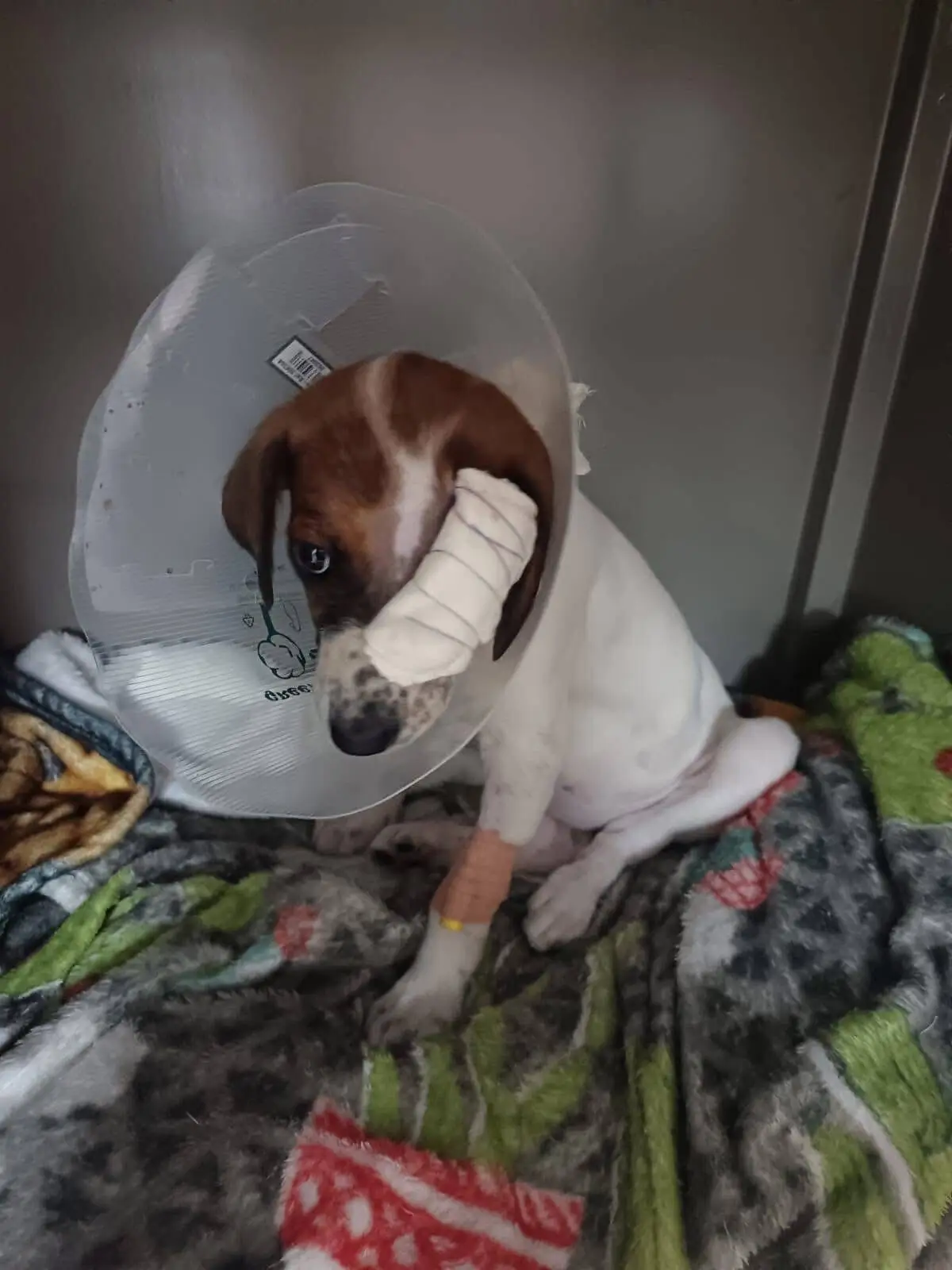
Your rescue coordinator spends their afternoon pulling an emaciated dog from a hoarder situation. By evening, they’re fielding emergency calls about a cat hit by a car. The next day brings another case.
And another. Their emotional reserves empty slowly, silently.
This matters because compassion fatigue directly impacts how your organization functions. When team members are emotionally exhausted, they make slower decisions. Intake processes that should take an hour stretch to three.
Communication breaks down. Mistakes happen. A misdiagnosed medical need delays critical treatment.
A follow-up call doesn’t get made. These aren’t failures of competence. They’re the inevitable result of asking humans to absorb unlimited trauma without adequate recovery time.
The numbers tell a sobering story. Studies from nonprofit sector research show that animal rescue professionals experience compassion fatigue at rates comparable to emergency room nurses and therapists. Yet many rescues operate without the mental health support infrastructure those professions maintain. Your team is processing grief and witnessing suffering at levels most people never encounter, often while working understaffed and underfunded.
Here’s what organizations often miss: when you lose a skilled rescue worker to burnout, you lose institutional knowledge. Training someone new takes months. During that transition, your capacity drops. The animals waiting in shelters don’t stop arriving while you’re short-staffed. Understanding this connection between staff wellbeing and animal outcomes helps explain why sustainable advocacy practices.
How emotional labor impacts rescue capacity and animal outcomes
Emotional labor is work most people never see. Your shelter director smiles while delivering news that a dog won’t survive transport to foster care. A volunteer comforts a surrendering owner who’s crying, managing both the owner’s guilt and their own heartbreak. A behavioral specialist works with a trauma-informed approach, which means they’re constantly regulating their own nervous system while helping an abused animal learn to trust again.
This labor directly affects rescue capacity. A team member running on emotional fumes can’t make strategic decisions about which cases to take, which partnerships to build, or how to allocate limited resources. They’re just surviving day-to-day.
That means your organization stops growing, stops innovating, and stops reaching as many animals as you could. You might rescue 50 animals per month when, with a healthier team structure, you could rescue 75.
Imagine this scenario: your organization receives emergency animal donations that could fund a critical expansion. But your team is so burned out that instead of strategizing how to use those funds to increase capacity, they’re just trying to keep current operations afloat. The funding sits underutilized. Animals that could have been saved never get that opportunity.
The connection runs deeper than capacity. Burned-out team members are more likely to develop secondary trauma themselves, which can affect how they interact with animals in their care. Research on trauma-informed animal welfare shows that stressed caretakers transmit that stress to animals, potentially complicating recovery and adoption outcomes. Your team’s emotional wellbeing directly impacts every animal that comes through your doors.
Recognizing early warning signs in yourself and your colleagues
Burnout doesn’t announce itself. It arrives quietly, then suddenly you realize someone hasn’t been themselves for months. Learning to recognize early warning signs means catching the problem before it becomes a crisis.
Watch for these indicators in your team: increased cynicism about cases that once excited them, emotional numbness (the opposite of compassion fatigue’s heightened emotion), calling in sick more frequently, withdrawing from team activities, or making uncharacteristic mistakes. Someone might start questioning whether the work even matters. They joke about leaving the field. Their passion, which once seemed inexhaustible, has simply vanished.
In yourself, notice when you’re unable to separate work from personal life. When you’re obsessively checking rescue messages at midnight. When you dread opening your email even though you love what your organization does. When you feel resentful toward animals or colleagues without clear reason. That’s your system telling you it’s overextended.
The earlier you address these signs, the better. That means creating space to talk about burnout without shame, normalizing conversations about emotional impact, and implementing actual rest periods. Your animal advocacy mission depends on it.
Building Systems That Sustain Long-Term Advocacy
Designing workflows that prevent individual overload
Animal rescue operations often run on passion and urgency. Someone sees a crisis, responds immediately, and suddenly that person has become the de facto expert on every subsequent case. This is how burnout starts, quietly and without warning.
Smart advocacy organizations recognize that sustainable systems require intentional workflow design. Instead of reacting case-by-case, establish clear intake processes that distribute work across team members from the beginning. When a call comes in about an injured animal, the first responder shouldn’t automatically become responsible for every follow-up. Create a handoff protocol where initial assessment, veterinary coordination, and donor communication are separate tasks handled by different people.
Think of it like this: if your rescue receives 50 emergency cases per quarter, and one person manages every single detail, that individual carries the emotional and logistical weight of all 50 animals. Now distribute those cases across five team members. Each person handles ten cases instead of fifty. The psychological load drops dramatically, and so does the risk of someone making critical mistakes due to exhaustion.
Documentation matters enormously here. When workflows exist only in someone’s head, knowledge leaves the organization the moment that person does. Create shared templates for case intake, medical notes, and donor updates. Use a centralized system where all team members can see where an animal is in the rescue process. Implementing systematic emergency means nobody has to reinvent the wheel for each crisis.
Creating role clarity so responsibilities don’t fall on one person
Vague responsibilities are responsibility killers. When everyone is responsible for everything, nobody is actually responsible for anything. And burnout follows because the most conscientious people end up absorbing every gap.
Define specific roles: intake coordinator, medical liaison, development officer, social media coordinator, foster care manager. Document what each role owns. The intake coordinator handles initial intake calls and assessments. The medical liaison manages veterinary relationships and treatment protocols. The development officer pursues corporate partnerships. This isn’t about rigid silos. It’s about clarity.
When people know exactly what they’re responsible for, they can work focused and efficiently. They also know when to ask for help instead of silently struggling. And critically, other team members know who to approach with questions, reducing chaotic communication patterns that drain everyone’s energy.
This role clarity extends to decision-making authority. Who decides whether an animal needs emergency surgery? Who approves new foster placements? Who communicates with donors about case outcomes? When these decision paths are clear, you eliminate the repeated debates and uncertainty that exhaust teams working under stress.
Implementing sustainable intake and care protocols
Many animal nonprofit organizations intake animals reactively, saying yes to every case because the need feels urgent and the suffering is real. This creates unsustainable caseloads that overwhelm everyone involved.
Sustainable protocols don’t mean turning away animals in crisis. They mean being honest about capacity and intentional about how cases are managed. If your organization can responsibly care for twelve animals simultaneously, don’t take on twenty.
Partner with other rescues or veterinary clinics to distribute overflow cases. This is actually more effective than stretching thin across too many animals.
Establish clear criteria for case acceptance. Medical priority (life-threatening versus treatable), timeline feasibility, resource requirements, and compatibility with existing caseload all factor in. Some cases might be perfect for another specialized rescue.
Some animals might benefit more from a different organization’s expertise and resources. Understanding this, and being willing to refer, prevents the burnout that comes from trying to be everything to every animal.
Care protocols should include built-in rest points for staff. If someone has managed five intensive medical cases in a month, don’t immediately assign them six more. Rotate team members through different case types. Someone working high-stress emergency surgeries needs time handling quieter foster placements or administrative work.
Sustainable practices also mean celebrating small wins. When a rescued animal gets adopted or completes recovery, acknowledge that. Document these moments. They remind your team why the hard work matters and refill emotional reserves that crisis work depletes.
Smart Resource Management for Animal Welfare Organizations
Prioritizing cases strategically without compromising ethics
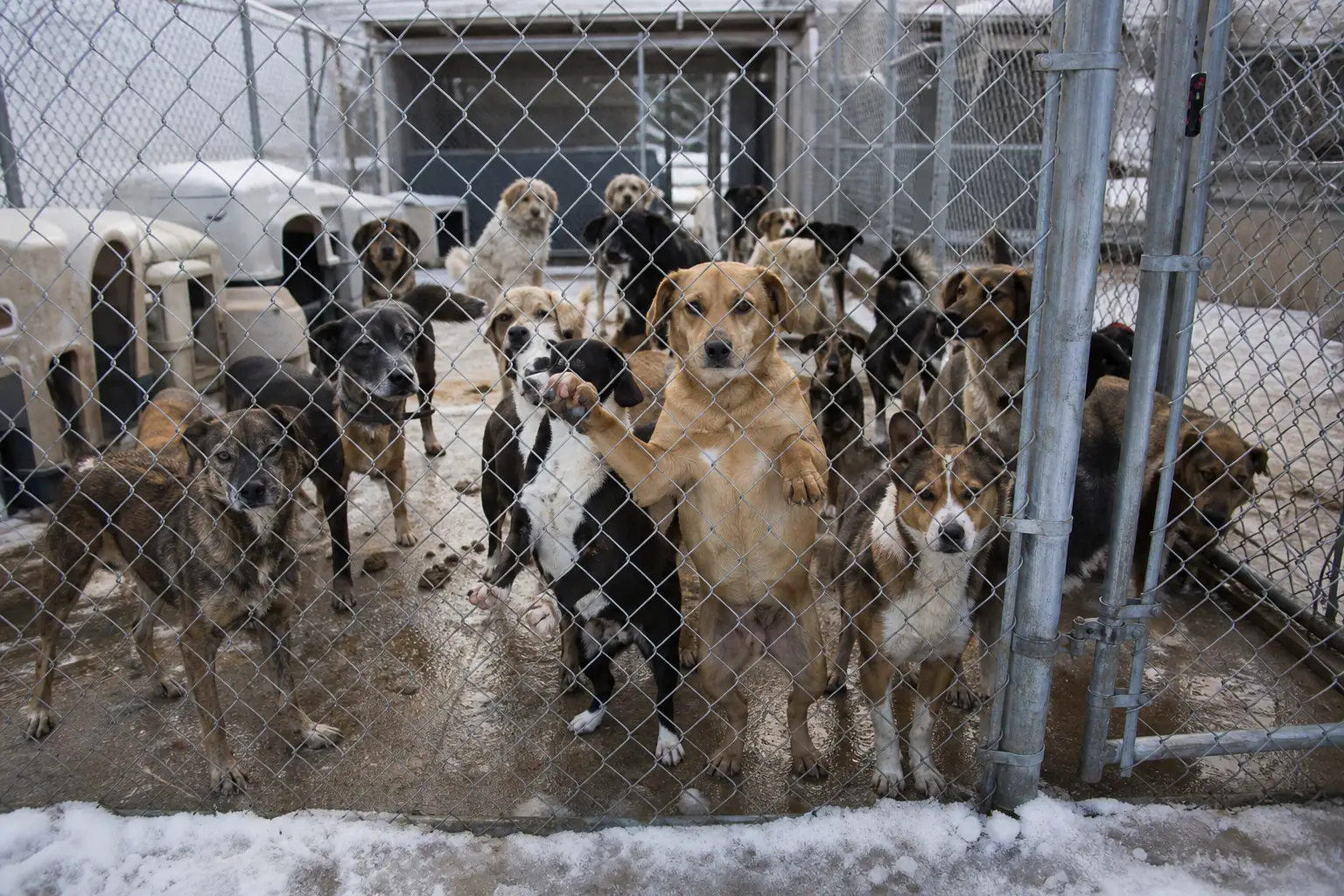
Animal welfare organizations receive more requests for help than they can handle. That’s the reality. On any given week, your team might field emergency calls for animals in crisis, and saying no to any of them feels like a moral failure. But smart resource management means making tough choices about which cases your organization tackles right now, versus which ones you can support differently.
Strategic prioritization isn’t about abandoning animals. It’s about honest assessment. Which cases align with your organization’s expertise? What’s your current capacity in staff hours, foster homes, and medical resources? When you evaluate cases based, you’re more likely to succeed in those cases and less likely to stretch your team to the breaking point.
Many rescues develop intake criteria that consider injury severity, medical complexity, and behavioral needs. An animal with critical injuries requiring immediate surgical intervention gets different triage than one needing long-term behavioral rehabilitation. This isn’t cold math. It’s ensuring that when you commit to an animal’s care, your organization has the resources to see it through.
Document your decision-making process transparently. When staff understand why certain cases were prioritized, they stop internalizing rejection as personal failure. They see it as organizational strategy. This distinction matters deeply for preventing rescue burnout, which often stems from feeling like you’re constantly failing to help everyone.
Balancing rescue volume with staff wellbeing
There’s a dangerous pattern in animal advocacy: the more animals you help, the more animals you feel obligated to help. Volume grows, but staff doesn’t. Hours expand, but funding stays flat. Before long, your most dedicated people are working nights and weekends, emotionally drained, and questioning whether they can keep doing this work.
Sustainable operations means setting realistic intake numbers. What can your veterinary team handle monthly without burning out? How many animals can your foster network safely accommodate? These aren’t nice-to-know numbers. They’re the foundation of organizational health. When you operate at or slightly below capacity, staff members can actually complete their work and go home mentally intact.
Build buffer time into your schedule. If your team processes intakes on Tuesday mornings, don’t schedule medical assessments immediately after. That breathing room prevents the cascade of crises that makes rescue work feel chaotic. Your team also needs actual downtime. Working five animals through surgery, behavioral assessment, and placement in a single day isn’t noble. It’s unsustainable.
Consider how you measure success. Many nonprofits track “animals helped” as their primary metric. But animals helped means nothing if your best staff member quits in November. Smart organizations also track staff retention, average hours worked, and time-to-placement metrics. These reveal whether you’re building something that lasts or something that runs on fumes.
Leveraging volunteers and partnerships to distribute workload
No animal nonprofit succeeds alone. Volunteers provide essential capacity, but only if you structure their involvement deliberately. Untrained volunteers might create extra work for paid staff. Strategic volunteers multiply your organization’s impact. The difference is in infrastructure, training, and clear role definition.
Develop tiered volunteer roles. Some volunteers transport animals between locations. Others handle administrative tasks that free up staff for medical and behavioral work. Some assist at adoption events. When each volunteer has a specific, defined role aligned with their skills and availability, you’re not constantly redirecting people or managing frustration.
Partnerships amplify resources without doubling overhead. Connecting with corporate partnerships means you can coordinate intake, share foster homes, and refer cases to organizations with specific expertise. If another rescue specializes in cats and you specialize in dogs, why not formalize that relationship? Emergency funding becomes more accessible when multiple organizations align their efforts.
Community networks also reduce isolation. When rescue staff know they’re part of a larger movement, not just struggling alone, it shifts the emotional experience of the work. You’re contributing to something bigger than your single organization, which reframes setbacks and sustains long-term commitment to animal advocacy.
Smart resource management isn’t about doing less. It’s about doing what you do well, consistently, without destroying the people who do it. That’s how animal organizations survive and grow.
Mental Health Support for Rescue Teams
Creating a culture where asking for help is normalized
The rescue teams that last are the ones where vulnerability isn’t treated as weakness. When a team member collapses after a particularly traumatic rescue, or when someone admits they’re struggling to process what they’ve witnessed, that moment either gets met with understanding or it gets buried. The difference between a sustainable animal advocacy operation and one headed toward total burnout often comes down to this single variable.
Normalization starts at the top. Leadership has to model it first. If your executive director talks openly about how difficult a particular case was, or if your operations manager mentions taking mental health days, it gives permission to everyone else. And when team members see that asking for support doesn’t result in being sidelined or judged, they’ll actually reach out instead of suffering in silence.
Create regular spaces where this conversation can happen. Some organizations build it into team meetings with a standing agenda item dedicated to personal wellness. Others use anonymous feedback channels or one-on-one check-ins with supervisors.
The format matters less than the consistency. You’re essentially saying: this matters, you matter, and we’re going to keep checking in on how you’re really doing.
This practice becomes especially critical in animal welfare work because the emotional labor is constant. Your team isn’t just managing databases or processing paperwork. They’re witnessing animal suffering, making life-and-death decisions, and carrying the weight of knowing they can’t save every animal.
That’s not a minor job stressor. It’s significant trauma exposure that compounds over time without intentional intervention.
Offering peer support and professional mental health resources
Peer support is powerful because it comes from people who truly understand the work. A volunteer who’s been doing rescue operations for three years can validate a newer team member’s experience in ways that outside resources sometimes can’t. They’ve walked that same path and come out on the other side. Building structured peer support means pairing experienced staff with newer folks, creating mentor relationships that include explicit permission to discuss the harder parts of the job.
But peer support isn’t enough on its own. You also need professional mental health resources specifically chosen for people in this field. That means finding therapists who understand animal advocacy work and trauma-informed care, not just generic counseling services. Some nonprofits negotiate group rates with mental health providers or build Employee Assistance Programs (EAPs) that include therapy sessions at reduced costs.
Consider too that mental health support looks different depending on your organization’s size. A small rescue operation might partner with a local psychology graduate program where students provide affordable counseling. A larger organization managing multiple locations might fund professional clinical supervision where staff can debrief particularly difficult cases with a trained clinician.
The organizations doing this right also recognize that accessing help shouldn’t require explaining yourself repeatedly. One nonprofit created a simple referral process where a team member could say to their supervisor, “I need support,” and the organization handled finding appropriate resources. No judgment, no interrogation, no barriers.
Building rest and recovery time into operational planning
This is the part many animal advocacy organizations skip, and it’s a critical mistake. You can’t build sustainable operations if rest is treated as a luxury rather than a necessity. Teams engaged in rescue work, emergency response, and direct animal care need structured downtime built into the actual operational calendar.
That means scheduling staffing levels with the assumption that some people will be taking time off regularly. It means establishing policies around on-call rotations so the same people aren’t perpetually in crisis response mode. And when you’re using emergency response protocols, you’re often asking staff to work beyond normal hours. Build recovery time into the weeks that follow.
Some organizations implement “mandatory rest days” where full-time staff simply cannot work, period. It sounds counterintuitive in a field where there’s always more work to do, but it actually prevents the catastrophic burnout that forces someone to leave entirely. One week of forced rest beats losing an experienced team member who can’t recover from exhaustion.
Recovery also means creating physical space for decompression. A quiet room where staff can step away between difficult cases. Permission to take walks during the workday. Seasonal shutdowns if your organization’s model allows for it. The goal is building a rhythm where intense work periods are followed by genuine rest, not just a shift change.
Animal welfare work will always be demanding. The animals need help regardless of what day of the week it is. But the teams supporting those animals need structure, support systems, and genuine rest built into how your organization operates. That’s not a perk. That’s operational necessity.
Advocacy That Lasts: Building Movements Not Just Moments
Moving beyond crisis-driven campaigns to systemic change work
Here’s the reality that hits most animal advocacy organizations somewhere around year three: you can’t sustain a movement on emergency response alone. The adrenaline spikes from crisis campaigns feel productive, but they extract a hidden cost from your team. Staff burn out. Volunteers ghost. And the animals keep needing help because the underlying problems never got addressed.
Systemic change work operates differently. Instead of reacting to the next urgent case, you’re building infrastructure that prevents crises altogether. This might mean advocating for stronger animal welfare regulations, funding community education programs, or establishing networks that distribute resources across regions before emergencies happen. When your team works toward structural solutions, they’re not constantly in triage mode.
The shift requires patience and a willingness to measure success differently. A policy change takes months or years. A single rescue takes days.
But that policy change might prevent thousands of animals from entering the system in the first place. Organizations like Without Voices understand that sustainable advocacy practices mean investing in long-term goals alongside immediate animal welfare needs.
Start by auditing your current initiatives. Which ones are reactive crisis responses? Which ones address root causes?
You don’t eliminate emergency work, but you intentionally build systems that gradually reduce the emergency load. Community education networks, trauma-informed training for shelters, coalition building with other nonprofits, and advocacy partnerships actually create the conditions where fewer animals need rescue in the first place.
Educating supporters about sustainable advocacy practices
Your donors and volunteers likely arrived because they saw an urgent animal case and wanted to help immediately. That’s beautiful. It’s also a problem if it’s where their understanding stops. Many supporters don’t realize that sustainable advocacy practices require a different kind of commitment than funding one emergency surgery after another.
This is where education becomes your secret weapon. Help your community understand why systemic prevention work matters. When you’re asking someone to support a policy initiative or coalition-building effort, explain how it reduces the total number of animals needing rescue.
Stories work here, but so do numbers. Show how one spay-neuter program prevents hundreds of births over five years. Demonstrate how trauma-informed understanding in shelters prevents euthanasia decisions based on fear rather than actual prognosis.
Your news section and communications channels are where this education lives. Share updates on longer-term advocacy projects. Highlight wins that aren’t individual rescues. When you report on a policy change or a successful community network launch, you’re teaching supporters that impact looks like more than one animal’s transformation story.
Be transparent about burnout too. Tell your community that sustainable animal welfare means protecting the people doing the work. This actually strengthens supporter loyalty. When people understand that your organization prioritizes team wellbeing, they’re more likely to support practices that don’t depend on heroic self-sacrifice. They become advocates for sustainability themselves.
Setting realistic goals that don’t demand constant heroics
The animal nonprofit sector has a heroics problem. We celebrate the rescue coordinator who works 80-hour weeks. We honor the volunteer who shows up every single day. This is backward. That’s not sustainability; that’s a path to the burnout we’re trying to prevent.
Realistic goals are boring by comparison, and they work. Instead of “rescue as many animals as possible,” try “rescue 40 animals this quarter while maintaining team mental health.” Instead of “run simultaneous campaigns across five states,” try “build one strong coalition in our core region and document best practices for other areas.” The second option in each pair sounds less impressive until you realize the teams executing them are still functional in six months.
Goals grounded in actual capacity also let you do better work. When your team isn’t constantly operating in crisis mode, the animals they help receive thoughtful, trauma-informed care. The advocacy work is more strategic. The emergency animal donations you secure get allocated through clear processes rather than reactive chaos.
Set goals with input from your team. Ask staff and volunteers what sustainable advocacy looks like for them. What pace can they maintain without sacrificing their own wellbeing?
What would make the work feel meaningful rather than overwhelming? These conversations often reveal that people want to help more animals through better systems, not by burning themselves out in the process. That alignment between organizational goals and team needs is where real sustainability lives.
Measuring Impact While Protecting Your Team
Tracking outcomes that matter beyond raw animal numbers
Most animal rescue organizations track one metric above all others: how many animals came through the door, and how many found homes. That number matters, absolutely. But if you’re measuring success only by volume, you’re missing the data that actually tells you whether your team can sustain what they’re doing.
Smart advocacy tracks the metrics that predict burnout before it happens. How many animals did your team help this month compared to the same month last year? More importantly, how many staff hours did it take to help each animal? If that number is climbing, your team is working harder for the same results. That’s unsustainable, and your data is screaming it at you.
Track outcomes that reveal real impact: veterinary success rates for animals you’ve pulled into care, time-to-adoption for different animal types, and quality-of-life improvements post-rescue (behavioral progress, health recovery, family stability after placement). When you document that a traumatized dog arrived fearful and left confident enough for adoption, that’s a story your team needs to see. It’s proof the difficult work matters.
Community networks benefit tremendously from this approach. When rescue organizations in the same region share outcome data, they can identify which interventions actually prevent animals from cycling back into crisis. One rescue might discover that partnering with a specific behavioral trainer creates better long-term placements.
Another realizes their emergency transport system saves critical hours. These insights only surface when you’re tracking what happens after rescue, not just counting rescues.
Using data to identify unsustainable practices before they cause harm
Data is your early warning system. If staff turnover is climbing, or if volunteer attendance is dropping, those aren’t mysterious morale problems waiting to surprise you. They’re measurable indicators that your current practices are extracting too much from the people keeping your mission alive.
Pull quarterly reports on where your team’s energy is actually going. Are half your staff hours consumed by administrative work that could be automated? Are certain rescue scenarios routinely pulling people into 12-hour shifts?
Is your foster network stretched so thin that you’re asking the same five people to take every high-needs animal? That data point right there tells you exactly where burnout is forming.
When reviewing emergency response protocols, examine how those protocols affect your team’s workload distribution. If your emergency response system funnels all urgent cases to your most experienced staff member, you’ve created a bottleneck and a burnout trigger. The data will show you exactly that.
Compare your current resource allocation against your mission capacity. If you have funding for two full-time staff but you’re functionally operating with four people working part-time hours, your data will expose that gap. Understanding the mismatch between what you say you can do and what you’re actually doing is how you prevent the system from collapsing under stress.
Celebrating wins that sustain morale and prevent burnout
Here’s what most nonprofits get wrong about celebrating wins: they save it for annual galas or year-end reports. Meanwhile, your team is in the trenches, handling a crisis every other week, and nobody’s stopping to acknowledge the small victories that add up to massive impact.
Create a culture where impact stories aren’t just marketing content. They’re fuel. When your team completes a difficult rescue, document it. Share it in your next team meeting. Talk about what went right, what the animal needed, and how your staff made the difference. Stories like tiny finds her aren’t just donor communications. They’re reminders to your team of exactly why they chose this work.
Celebrate process wins too, not just happy endings. Your intake coordinator implemented a new system that cut admission time by 30 minutes per animal? Celebrate that.
It means less stress on receiving staff and faster care for animals. Your finance team secured sustainable funding that covers three more months of operations? That’s directly preventing burnout because it removes the constant fundraising panic.
Build moments of recognition into regular operations. Monthly staff meetings where you highlight one win per team member. Quarterly gratitude sessions where the team reflects on animals helped and obstacles overcome. These aren’t feel-good exercises. They’re evidence-based practices that sustain motivation and prevent the despair that turns good advocates into burned-out former advocates.
Sustainable rescue operations require measuring what actually matters, spotting unsustainable patterns before they break your team, and celebrating the wins that fuel your people forward. You’ve now built systems, supported your team’s mental health, and created advocacy that lasts beyond any single emergency. The final step is making sure you’re looking at the data that tells you when the system is working and when it’s faltering. If your organization is ready to strengthen these foundations and ensure emergency support reaches animals when it matters most, explore how without voices supports in building sustainable, trauma-informed rescue operations that protect both animals and the people dedicated to saving them.
Related Posts
- A Small Dog Named Tiny Needs Emergency Help
- Tiny Receives Treatment at Hillcrest Veterinary Hospital
- Tiny Finds Her Forever Home
- Building Corporate Partnerships for Large Scale Animal Emergency Relief Operations
- Emergency Response Protocols When Animal Rescue Donations Are Critically Needed
- Help Save This Brave Little Puppy – Urgent Eye Surgery Needed
- Why We Focus on Emergency Response Funding for Animals in Crisis