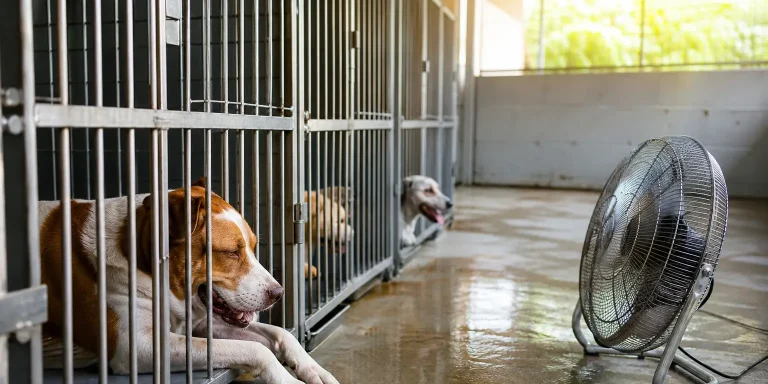
Understanding Heat-Related Risks in Shelter Environments
When temperatures climb into the nineties and shelters fill beyond capacity, animals face a perfect storm of biological stress. Summer heat emergencies aren’t just uncomfortable for the creatures in our care. They’re life-threatening crises that demand immediate action, specialized resources, and a clear understanding of exactly what happens to an animal’s body when heat becomes unrelenting.
The difference between a manageable summer and a catastrophic one often comes down to preparation. Shelters that understand the physiological mechanics of heat stress respond faster, make smarter decisions about resource allocation, and ultimately save more lives. This section walks through the science behind why summer matters so much for animal rescue operations, what warning signs you need to catch early, and which animals face the highest risk during these critical months.
How high temperatures affect animal physiology and behavior
Unlike humans, most animals can’t simply turn on a fan and strip down to cooler clothing. Dogs rely almost entirely on panting to dissipate heat, which means they lose moisture rapidly and their bodies struggle to regulate temperature efficiently. Cats, rabbits, and other small animals have even more limited cooling mechanisms. Their metabolic rates spike in response to heat stress, burning energy faster and increasing their caloric needs at precisely the moment when shelters are stretched thinnest.
When ambient temperature rises, an animal’s core body temperature follows. Normal dog body temperature sits around 101-102.5 degrees Fahrenheit. Once that climbs past 103 degrees, you’re entering the danger zone. At 104 degrees, organ damage begins. At 106 degrees and above, the risk of fatal heatstroke becomes imminent.
Behaviorally, heat-stressed animals become lethargic and anxious simultaneously. They’ll pant excessively, drool, and lose appetite entirely. Some become aggressive or self-injurious. Shelter staff consistently report that animal behavior problems spike during summer heat waves, not because of personality changes, but because the animals are literally suffering from thermal overload.
Identifying early signs of heat stress in different species
Catching heat stress early is the difference between a day at the veterinary clinic and a tragedy. The problem is that early signs vary significantly across species, and shelter environments can mask them until it’s too late.
In dogs, watch for excessive panting that doesn’t slow even after rest, bright red or pale gums (either extreme is bad), glazed or unfocused eyes, and vomiting. Some dogs will seek water obsessively but refuse to eat. Lethargy is perhaps the most insidious sign because busy shelter staff might mistake it for contentment rather than distress.
Cats show different patterns. They tend to hide more when overheated, flatten themselves against cool surfaces, and may refuse to move from shaded areas. Their panting is more subtle than dogs, and they’ll often stop grooming entirely. Rabbits and other small animals become almost motionless, with labored breathing that’s easy to miss if you’re not specifically watching for it.
You’ll also notice behavioral changes specific to heat. Animals become less interested in enrichment, social interaction, or play. Younger animals sometimes develop diarrhea. Older animals with existing health conditions decompensate rapidly. Understanding these signals across your shelter’s species mix isn’t optional. It’s foundational to effective emergency response during summer months.
Risk factors that make certain animals more vulnerable
Not every animal in your shelter faces equal risk. Age matters enormously. Puppies and kittens under six months have underdeveloped thermoregulation. Senior animals (typically over seven years) often have compromised cardiovascular systems. Extremely young and extremely old animals are your highest-priority monitoring group during heat waves.
Breed characteristics create vulnerability too. Brachycephalic dogs (flat-faced breeds like bulldogs, pugs, and Boston terriers) simply cannot cool themselves effectively. Their anatomy works against heat dissipation. Overweight animals of any species have reduced heat tolerance because excess body weight generates more metabolic heat and their surface-area-to-volume ratio is less efficient.
Medical history matters critically. Animals with respiratory conditions, cardiovascular disease, or seizure disorders are more susceptible to heat-related complications. Medications some rescue animals take (like certain behavioral medications) can impair thermoregulation. A dog like Tiny, who required treatment at hillcrest for emergency medical needs, would face compounded risk during summer heat if underlying health issues weren’t being actively managed.
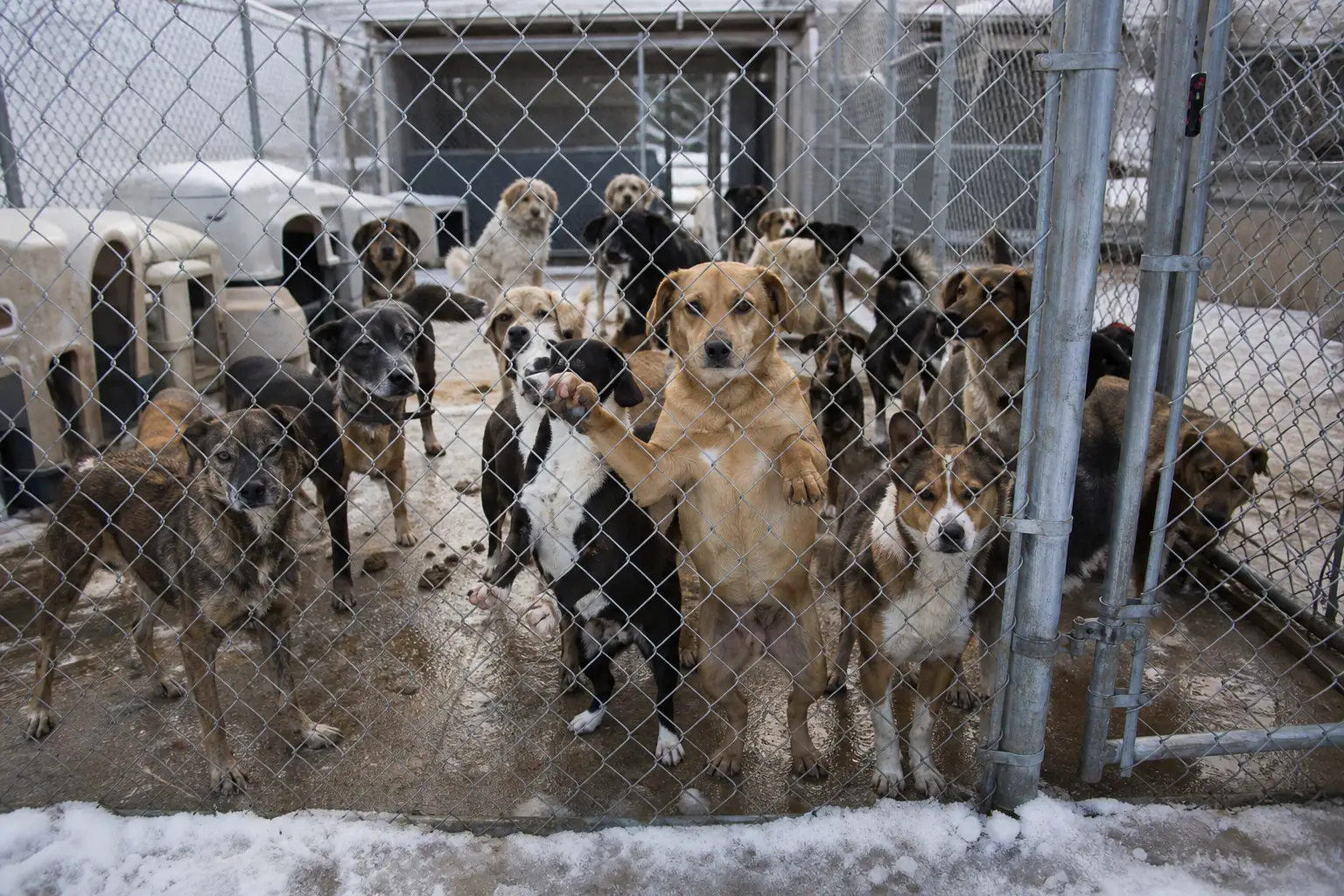
Environmental factors in the shelter itself amplify risk. Overcrowding reduces air circulation and heat dissipation. Poor ventilation concentrates warm air.
Animals housed in direct sunlight without shade barriers face exponential temperature increases inside enclosures. Shelters in arid climates see different heat stress patterns than humid regions, where evaporative cooling through panting becomes less effective.
Understanding these layered risk factors shapes your entire summer strategy, from staffing decisions to equipment purchases to how you prioritize resources.
Critical Cooling and Ventilation Infrastructure
Assessing current HVAC capacity and upgrade priorities
Most animal shelters operate on tight budgets, which means their HVAC systems often run well past their intended lifespan. When summer heat hits, facilities discover their cooling infrastructure was never designed to handle peak temperatures combined with high animal density. The first critical step is conducting an honest assessment of what you actually have versus what you need.
Start by having a licensed HVAC technician evaluate your current system’s cooling capacity measured in tons. Compare this against your facility’s square footage and animal population during peak intake periods. A shelter housing 150 dogs and 80 cats in a 5,000-square-foot space needs fundamentally different cooling than a smaller operation. The math matters because undersized systems run constantly without achieving target temperatures, burning out compressors and driving energy costs through the roof.
Document the age and maintenance history of your equipment. Systems over 15 years old consume significantly more energy while delivering less cooling. If your shelter depends on aging AC units, prioritize replacement or major upgrades as your top capital expense. Many facilities discover that investing in strategic partnerships unlocks access to equipment grants and corporate sponsorships that can offset upgrade costs.
Create a phased upgrade plan if full replacement isn’t immediately possible. Prioritize areas where animals spend the most time: kennels, isolation wards, and intake holding spaces. A surgical or medical recovery room demands tighter temperature control than general population areas. Tier your priorities based on where heat poses the greatest health risk, not just where it’s most uncomfortable.
Backup cooling systems and emergency power considerations
Your primary HVAC system will fail at some point, and Murphy’s Law guarantees it’ll happen during the worst possible weather. When temperatures soar to 95 degrees and humidity cranks up, you cannot afford a cooling blackout. Backup systems aren’t optional infrastructure; they’re survival equipment for the animals in your care.
Install portable air conditioning units rated for your building’s largest spaces. These range from compact 5,000 BTU window units to heavy-duty industrial models capable of cooling 2,000 square feet. Aim for enough portable capacity to maintain livable temperatures in your critical care areas while your main system gets repaired. Keep them serviced and ready to deploy (not gathering dust in a storage closet).
Generator capacity requires serious planning. Most shelters don’t realize how much power simultaneous HVAC plus backup cooling demands. A typical large-capacity HVAC system draws 10-15 kilowatts. Add portable AC units and you’re approaching 30+ kilowatts. Your generator must be sized accordingly, regularly maintained, and fueled. Running out of diesel fuel during a heat emergency is a catastrophic failure. Consider partnering with local businesses for emergency response protocols to secure fuel and generator support during prolonged outages.
Battery backup systems and inverters can bridge short power gaps while generators fire up. Uninterruptible power supplies (UPS) keep critical monitoring equipment and fans running during brownouts. These aren’t glamorous purchases, but they prevent total system collapse when the electrical grid stumbles during summer storms.
Designing airflow and shade strategies for outdoor areas
Not all shelter animals spend their time indoors. Many facilities maintain outdoor exercise areas, play yards, or temporary holding spaces during high intake periods. These exposed zones become deadly during heat waves without proper design and maintenance.
Airflow matters as much as shade. Stagnant air compounds heat stress, even under shade structures. Position shade cloth or tarps to channel prevailing breezes through outdoor areas rather than blocking them completely.
Elevated structures create air movement underneath; dogs and cats naturally gravitate to these cooler microclimates. Paint surfaces with reflective coatings to reduce radiant heat absorption from concrete and metal.
Calculate shade coverage requirements: aim for at least 75% coverage of outdoor animal spaces during peak heat hours (11 AM to 4 PM). Shade cloth in 70-90% density ratings works better than dense tarps because they allow some airflow. Permanent structures like covered runs beat temporary solutions every time. Metal roofing reflects heat; asphalt absorbs and radiates it dangerously.
Water access in outdoor areas becomes mission-critical. Multiple water stations prevent competition and stress. Misters and cooling pools for water-tolerant animals provide direct temperature relief. Keep outdoor exercise sessions brief during extreme heat and shift them to early morning or evening hours when temperatures drop.
These infrastructure investments reflect your shelter’s commitment to animal welfare. When you understand why emergency, cooling capacity and backup systems become non-negotiable priorities rather than nice-to-have improvements.
Essential Supplies and Equipment for Heat Response
Hydration systems and water delivery infrastructure
When temperatures spike, dehydration becomes the silent killer in shelters. Animals lose fluids rapidly through panting and increased metabolism, and many shelter dogs and cats won’t drink enough water on their own when stressed. This is why reliable hydration infrastructure isn’t optional—it’s survival equipment.
Quality water bowls need to be placed strategically throughout the facility, not just in kennels. High-volume shelters should invest in automatic waterers or gravity-fed systems that maintain consistent water availability. Stainless steel bowls are essential because they don’t retain heat like plastic, keeping water cooler longer. You’ll also want backup containers positioned in common areas where animals spend time during the day.
Ice water delivery systems make a measurable difference. Some shelters use large coolers filled with ice water that staff can quickly distribute to animals showing early heat stress signs. Electrolyte solutions designed for animals (not human sports drinks) help replace essential minerals lost through excessive sweating and panting. When emergency response protocols, hydration stations become command centers where staff monitor intake and spot animals needing immediate intervention.
Don’t underestimate the importance of fresh water changes. In summer heat, water can become stagnant or warm within hours. A rotation schedule ensuring water bowls are refreshed every 2-3 hours prevents animals from drinking contaminated or tepid water. Shelters handling multiple animals need dedicated staff or volunteers just managing hydration logistics during peak heat days.
Cooling aids: ice packs, fans, and cooling mats
Ice packs and frozen gel packs are among the most cost-effective cooling tools available. They’re portable, reusable, and provide immediate relief when placed near an animal’s neck, underarms, or groin where major blood vessels run close to the surface. Some shelters wrap frozen packs in towels and position them in kennels, creating cooler microclimates for vulnerable animals.
Box fans and circulating fans serve dual purposes: they move air through stagnant kennels and help evaporative cooling work more effectively. Industrial-grade fans are worth the investment because shelter environments generate significant heat, and standard household fans won’t cut it. Positioning fans to create cross-ventilation patterns prevents hot spots where animals retreat but still experience dangerous temperatures.
Cooling mats and gel beds are game-changers for animals already showing heat stress. These mats absorb body heat without requiring electricity, and they’re particularly valuable for senior animals, pregnant dogs, and short-nosed breeds that struggle with heat regulation. A single cooling mat in isolation housing can mean the difference between a scared animal recovering safely and a crisis requiring veterinary intervention.
Wading pools filled with cool water allow animals to self-regulate by soaking when they choose to. They’re simple, inexpensive, and incredibly effective for outdoor holding areas. Many shelters set these up during summer months and clean them daily to prevent bacterial growth. Just ensure drainage systems prevent standing water that could become a breeding ground for pathogens.
Medical supplies for treating heat-related illness
Heat exhaustion and heat stroke progression happens fast in shelters. Staff need immediate access to thermometers (preferably digital ear thermometers for quick readings), saline solution for eye flushing, and sterile gauze. Animals experiencing heat stress may have difficulty breathing, so having oxygen available and staff trained in its use is critical.
IV fluid supplies and equipment should be stocked based on shelter capacity. Heat stroke causes cellular damage and organ stress that fluids help counteract. Work with your veterinary partner to determine appropriate quantities and ensure rotating stock so supplies stay current. Staff should know where these supplies are located and how to assist veterinarians during emergency treatment.
Anti-inflammatory medications and sedatives may be needed for severely stressed animals. A documented heat emergency protocol listing which medications are available, dosages, and storage requirements prevents delays when seconds matter. Some shelters pre-position these supplies in easily accessible medical carts rather than locked storage.
Securing adequate supplies often requires emergency animal donations specifically designated for summer preparedness. Without dedicated funding and partner support, shelters operate on razor-thin margins and can’t afford comprehensive cooling equipment. Planning ahead and communicating needs to community partners ensures you’re never caught unprepared when heat waves strike.
Staffing, Training, and Response Protocols
Developing heat emergency action plans and triggers
A heat emergency action plan isn’t something you create in July when temperatures spike. It needs to exist in writing, reviewed annually, and understood by every staff member before the summer season arrives. This plan should clearly define what constitutes a heat emergency at your facility, because triggers vary based on shelter type, animal population, and local climate conditions.
Start by establishing specific temperature thresholds that activate different response levels. For example, when indoor temperatures reach 78°F, you might activate Level 1 protocols (increased water access, extended cooling periods). At 82°F, Level 2 kicks in (limited animal movement, enhanced monitoring).
At 85°F or above, Level 3 emergency measures begin (maximum cooling interventions, veterinary standby). Each level should outline exactly what staff members do, who makes decisions, and how communication flows through your organization.
Your plan should include decision-making authority so there’s no confusion during a crisis. Who decides when to move animals to cooler areas? Who authorizes emergency supplies?
Who contacts veterinarians or local authorities? When you’re managing dozens of anxious animals in dangerous heat, you don’t have time for unclear chains of command. Additionally, include contingency plans for equipment failure, staff shortages, and scenarios where external cooling assistance becomes necessary.
Staff training on heat stress recognition and first aid
Heat stress doesn’t announce itself with obvious symptoms. Staff who understand the early warning signs can intervene before animals reach critical conditions. Excessive panting, drooling, lethargy, and unwillingness to move are initial indicators that an animal is struggling.
More serious signs include vomiting, confusion, and loss of coordination. Your team needs hands-on training that goes beyond a single annual presentation.
Develop a training program that includes both classroom learning and practical demonstrations. Show staff how to feel for proper hydration (skin turgor tests), recognize different body conditions, and understand breed-specific vulnerabilities. Senior animals, puppies, flat-faced breeds, and those with thick coats need different monitoring protocols.
Provide scenario-based training where staff practice responding to heat emergencies using actual shelter conditions. This builds muscle memory and confidence when situations become genuinely urgent.
First aid competency should include knowing how to safely cool an overheating animal without causing shock. Ice baths can be dangerous; lukewarm water immersion or wet towel applications are often more effective. Staff should understand how to monitor recovery, when to escalate to veterinary care, and how to document incidents. Training records matter too. When you’re seeking emergency response protocols, having documented training programs strengthens your credibility with donors and funding organizations.
Communication systems for rapid response coordination
During a heat emergency, communication breakdowns cost animals their lives. You need systems in place that function reliably when staff are stressed, distracted, and moving quickly through the facility. This means more than just shouting across the shelter. Establish clear communication protocols before summer arrives.
Consider implementing multiple communication channels: radio systems for instant facility-wide updates, color-coded alert notices posted in key areas, and a digital tracking system (if your budget allows) for monitoring individual animal conditions. When a staff member spots signs of heat stress, they need an immediate, frictionless way to alert others without slowing down care. Radio communication works particularly well because it keeps staff hands-free and enables real-time coordination between cooling stations, medical areas, and management.
Create a notification protocol for escalating emergencies. When does the veterinarian get called? When do you contact local emergency services or partner organizations?
Who contacts board leadership or funding sources? Clear escalation paths prevent both dangerous delays and unnecessary panic responses. Additionally, establish a system for tracking which animals received cooling interventions, their response times, and any adverse reactions.
This information proves invaluable for improving next year’s protocols and demonstrates to supporters how you manage crises effectively.
Strong internal communication also means regular briefings before your busiest heat season. Bring the entire team together, review the action plan, role-play scenarios, and answer questions. When staff understand not just what to do but why they’re doing it, compliance improves and coordination becomes natural rather than forced.
Operational Adjustments During Peak Summer Conditions
Modifying schedules and activity levels for animal welfare
When temperatures soar, the standard shelter routine becomes a liability. Animals that normally spend hours in communal areas or outdoor enclosures need immediate schedule adjustments to prevent heat stress and exhaustion. The key is shifting activity to cooler parts of the day, which means rethinking meal times, enrichment sessions, and exercise protocols entirely.
Many shelters move feeding to early morning (before 7 a.m.) and evening (after 7 p.m.) when ambient temperatures drop significantly. This simple change reduces the metabolic heat animals generate during digestion while eating and drinking when they’re alert and comfortable. For dogs and cats, daytime activity should be limited to essential care only: brief bathroom breaks in shaded areas, medical checks, and minimal handling.
Enrichment activities need restructuring too. Instead of active play sessions during peak heat, shelters should offer quiet, mentally stimulating activities in cooled spaces. Puzzle feeders, frozen treat toys, and scent work keep animals engaged without raising body temperature. This isn’t just comfort; it prevents behavioral stress that can compromise immune function during already vulnerable conditions.
Staff rotation becomes critical as well. Your team shouldn’t be working eight-hour shifts during peak heat hours. Stagger schedules so cooler early mornings and evenings have adequate coverage, with skeleton crews during midday heat peaks. This protects both human and animal welfare, reducing the risk of heat exhaustion among staff who are moving quickly between animals and hot surfaces.
Managing visitor flow and public education during heat waves
Visitors mean good intentions, but they also mean additional stress on animals already struggling with heat. During summer emergencies, shelters must implement visitor restrictions without appearing unwelcoming. The messaging matters: frame it as protecting animal health, not limiting access.
Many facilities institute “heat advisory hours,” reducing visiting windows to early morning or evening when conditions are safest. This isn’t a permanent closure; it’s a temporary adjustment that donors and adopters understand and support. Digital signage at entrances explaining the policy prevents frustration and turns the situation into a teaching moment about heat risks in shelters.
This is your opportunity for genuine education. When visitors do come, staff should be briefed to explain why animals are indoors, why certain areas are closed, and what supplies the shelter urgently needs. A visitor who understands that emergency animal donations support cooling equipment and veterinary care becomes an advocate, not just a tourist. Handouts with heat safety information for newly adopted animals extend your impact beyond shelter walls.
Consider creating heat-specific tour routes that keep visitors in cooled areas and brief. This reduces stress on animals and keeps people engaged without creating extended warm exposures. Staff can discuss the operational adjustments being made, normalize the temporary changes, and solicit support for resources mentioned in why shelters focus.
Monitoring and documenting animal condition changes
During peak summer conditions, animal health deteriorates rapidly and unpredictably. Documentation becomes your legal and medical safety net. Every animal needs twice-daily assessments, with findings logged in real time to catch warning signs before they become emergencies.
Staff should monitor specific indicators: respiratory rate (elevated above normal baseline), behavior changes (lethargy, panting, drooling), appetite shifts, and mucous membrane color. Create simple monitoring sheets for each animal with checkboxes and space for notes. This prevents assumptions and ensures consistency across shifts. When multiple staff members are caring for the same animal, clear documentation prevents missed signals.
Elderly animals, brachycephalic breeds (flat-faced dogs and cats), and those with pre-existing conditions require heightened attention. These populations decompensate faster in heat, and their deterioration may be less obvious than in younger animals. Flag high-risk animals in your system so every staff member knows to prioritize their care and monitoring.
Document everything. Temperatures recorded, interventions provided, veterinary consultations requested, and animal responses should all be noted. This protects your shelter legally and provides data that demonstrates the scope of your emergency response. When you approach funders or supporters for emergency animal donations, real documentation proves the need isn’t hypothetical; it’s evidence-based and urgent.
Building Community Support and Resource Networks
Partnering with local veterinarians and emergency services
No shelter stands alone during a heat emergency. The most effective response happens when you’ve already built relationships with veterinarians, emergency responders, and animal control agencies before the thermometer spikes. These partnerships aren’t bureaucratic formalities, they’re lifelines.
Start by identifying veterinary clinics within a 15-minute radius of your shelter and scheduling face-to-face meetings. Discuss heat emergency protocols, ask about their capacity for intake during extreme weather events, and clarify which conditions they consider critical. Many vets will provide reduced rates for shelter animals during declared emergencies if you’ve established trust beforehand.
Create a shared contact list with after-hours numbers, emergency clinic locations, and treatment specialties. When a dog arrives suffering from heat stroke at 2 AM on a Saturday, you can’t afford to be searching for an open veterinary hospital.
Emergency services collaboration matters equally. Local fire departments and emergency management offices often coordinate disaster response, and heat waves qualify. Connect with your city or county emergency management coordinator to ensure animal shelters are included in heat advisory communications.
Some jurisdictions activate cooling centers for vulnerable populations, and shelters should be recognized as such. This inclusion can translate to additional resources, priority utility support, or even volunteer deployments to your facility.
Animal control agencies can also serve as force multipliers during crises. Establish protocols for redirecting stray animals found during heat events directly to your facility rather than longer holds elsewhere. Coordinate with them on educational outreach about leaving pets in hot vehicles or inadequate shelter, reducing the intake surge during peak heat.
Seeking funding and donations for heat mitigation projects
Heat mitigation infrastructure requires capital, and relying solely on operational budgets leaves shelters perpetually underprepared. Strategic funding pursuits should target both traditional grants and community-based donation campaigns.
Government grants through FEMA’s pre-disaster mitigation programs or state animal welfare divisions fund infrastructure improvements with forward-thinking applications. Frame your cooling upgrades and ventilation systems as disaster preparedness investments, not luxuries. Document current conditions, project future heat impact scenarios, and quantify how your improvements reduce emergency veterinary costs. A $40,000 cooling system investment might prevent $100,000 in emergency treatment expenses over five years.
Corporate partnerships represent underutilized funding sources. Utility companies, construction firms, and pet supply manufacturers often allocate community giving budgets specifically for animal welfare. Present them with a sponsorship opportunity: upgrading your facility’s cooling infrastructure with their branding and recognition. The “Emergency Animal Donations for Urgent Situations” model works well here, positioning heat mitigation as critical ongoing support rather than a one-time ask.
Individual donor campaigns centered on specific animals resonate powerfully. Share stories like a small dog during summer months, connecting donors emotionally to why cooling matters. Transparent reporting on how funds directly protect animals builds donor confidence and repeat contributions.
Crowdfunding platforms work faster for immediate needs. A focused campaign highlighting the gap between your current cooling capacity and summer demand can raise $5,000 to $15,000 within weeks if you articulate the impact clearly.
Creating volunteer programs for summer support
Volunteers multiply your capacity when trained and deployed strategically. Summer heat demands more hands, more frequent water checks, more vigilant monitoring. Structured volunteer programs transform good intentions into measurable relief.
Create heat-specific volunteer roles with clear responsibilities. Assign volunteers to continuous hydration stations, rotating every two hours to prevent fatigue. Train volunteers to recognize heat stress signs, know which animals need additional cooling attention, and understand when to alert staff. Some shelters assign volunteers as “cooling buddies” for high-risk animals, checking on specific dogs or cats hourly and documenting their condition.
Recruitment timing matters. Launch volunteer drives in May, before June’s peak temperatures arrive. Target college students, retirees, and shift-work professionals who have availability during hot afternoons. Emphasize the urgency and impact. People want to know they’re preventing suffering, not just filling time.
Recognition programs retain volunteers through difficult summers. Public acknowledgment, thank-you events, volunteer t-shirts, and formal appreciation letters cost little but mean substantially. Many volunteers return year after year because they see tangible results and feel genuinely valued.
Heat emergencies test the resilience of every shelter, but they don’t have to overwhelm you. By cultivating veterinary partnerships, securing dedicated funding, and building volunteer networks, you create infrastructure that protects animals when it matters most. The work starts now, in cooler months, when you can think strategically rather than react frantically.
Reach out to local partners this week. Document your facility’s gaps. Launch that funding campaign.
Your animals’ summer safety depends on the connections you build today.