Understanding the Limitations of Adoption Support Systems
Every rescue organization knows the feeling: a dog or cat comes through the door, and everyone rallies. The paperwork happens, the medical basics get handled, families line up to adopt, and stories get shared about second chances. But what happens when that second chance collides with a medical crisis nobody saw coming? What happens when the adoption process is underway, or worse, when a newly adopted animal’s health deteriorates weeks or months later?
This is where adoption support systems reveal their most significant blind spot. The adoption journey typically ends the moment a leash and collar change hands. Nobody talks about what comes after, especially when an emergency strikes. And that’s the gap that separates a successful adoption story from a financial nightmare that families can’t afford to navigate alone.
How standard adoption services differ from emergency medical intervention
Adoption support is built around steady-state care: vaccinations, microchipping, spay/neuter surgery, and behavioral assessment. These are predictable, budgeted expenses that happen before an animal leaves the shelter or rescue facility. The adoption fee covers these basics, and the organization’s responsibility largely ends once the new family signs the paperwork.
Emergency medical care operates in a completely different universe. It’s unpredictable. It’s urgent. A urinary blockage doesn’t wait for someone to check their financial reserves. A seizure doesn’t care about adoption timeline. A foreign body lodged in the intestines demands immediate surgery or the animal dies. This is where the infrastructure that supports adoption simply doesn’t exist anymore.
Consider the difference in scale and cost. A standard adoption might involve $500 in preventative medical care. Emergency surgery can cost $3,000 to $8,000 in a single night. The adoption agency can’t absorb that cost per animal, and the new family often has zero emergency fund prepared. That’s where emergency animal donations become essential, because standard adoption frameworks never anticipated this moment.
Gaps in coverage when medical crises occur during the adoption process
The period immediately following adoption is actually high-risk, and nobody talks about it. Animals are transitioning to new homes, adjusting to unfamiliar environments, sometimes eating different food. Stress manifests in unpredictable ways. Underlying conditions that weren’t obvious in the shelter suddenly surface under the different conditions of a home environment.
If a medical crisis hits in this window, responsibility becomes murky. Is the rescue liable? Is the adopting family responsible? Most adoption agreements include clauses stating that medical care becomes the new owner’s responsibility post-adoption. But that family adopted expecting standard puppy or kitten expenses, not emergency veterinary bills that rival a car payment.
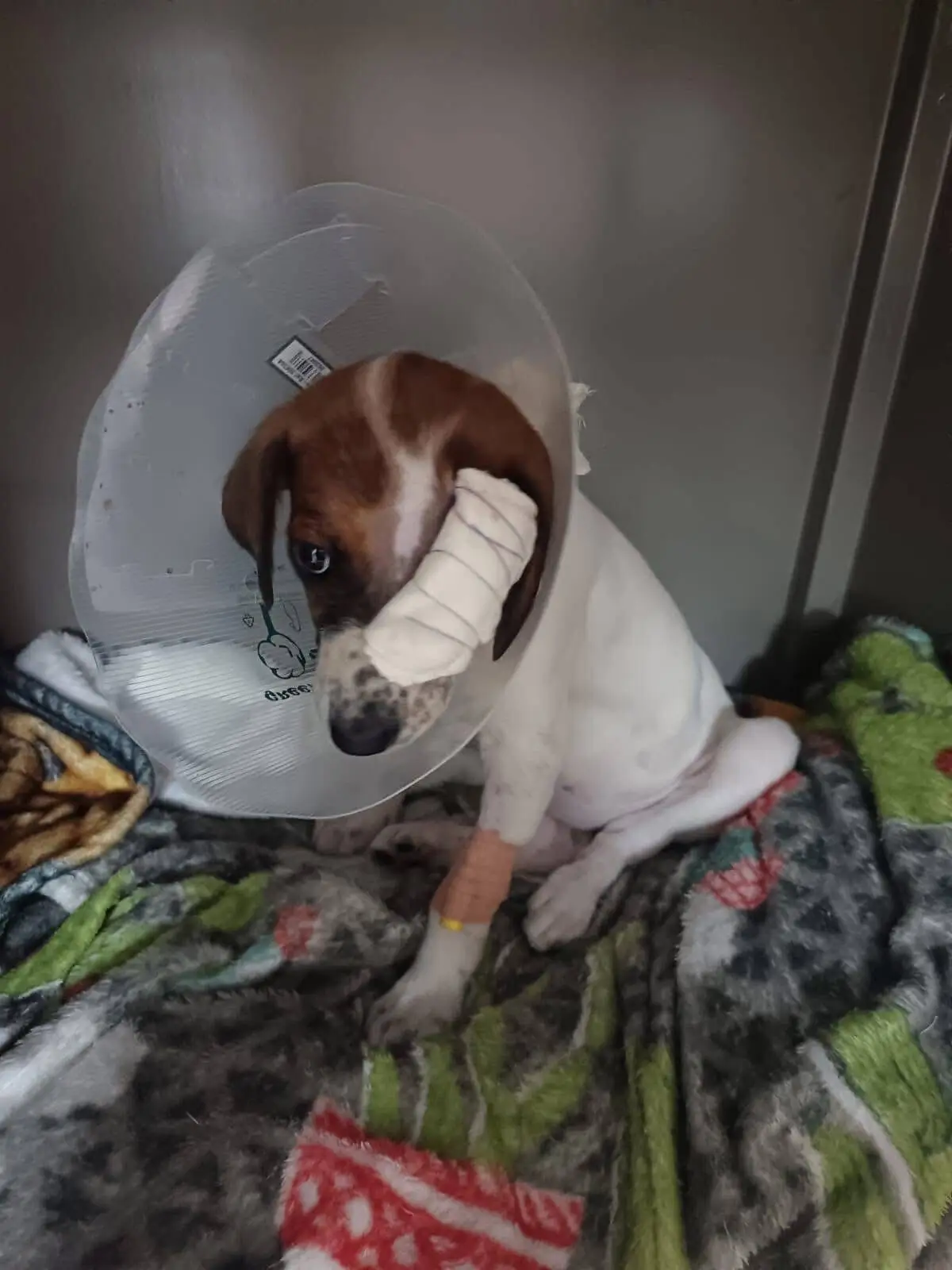
This is exactly what happened with a small dog named Tiny. When Tiny’s medical emergency developed, the immediate need for intervention was clear, yet the existing adoption support structure had no mechanism to fund her treatment. The rescue organization had to scramble for resources, and fortunately found pathways through emergency response protocols. But most organizations and families don’t know those protocols exist.
The reality of post-adoption health complications and their timing
Here’s what adoption support systems don’t tell new families: shelter animals carry unknown medical histories. A dog might have a predisposition to hip dysplasia that won’t show symptoms for two years. A cat might have chronic kidney disease lurking undetected until it suddenly requires intensive treatment. A puppy’s immune system might mask an underlying infection until that animal is settled in a home environment.
Medical complications don’t cluster around adoption day. They happen at month three, month eight, sometimes a year later. By that point, the adoption organization has moved on. The family is emotionally and financially invested, but they’re completely unprepared for costs that exceed $10,000. They’re making impossible choices between saving their pet’s life and keeping their home.
The timing is particularly brutal because it happens after the “rescue story” concludes. Nobody celebrates the adoption anymore. There’s no community rallying point, no organized fundraising. It’s just a family facing a quiet crisis, and they have nowhere to turn. Organizations like Without Voices exist precisely because standard adoption support stops where medical emergencies begin. Without structured access to emergency animal donations, countless animals face euthanasia not because of illness, but because the funding gap was never supposed to exist in the first place.
Why Emergency Medical Care Cannot Be an Afterthought
Life-threatening conditions that require immediate specialized attention
When a newly adopted animal arrives in your home, you’re often operating with incomplete medical history. Previous neglect, abuse, or untreated illness can mask serious underlying conditions that don’t surface until days or weeks after adoption. A dog might appear energetic and playful, only to collapse from an undiagnosed heart condition. A cat could develop sudden respiratory distress from pneumonia contracted in a crowded shelter environment.
These aren’t edge cases. They’re scenarios that happen regularly in rescue operations. Internal bleeding from blunt force trauma, intestinal blockages from swallowed foreign objects, severe infections, neurological damage, and organ failure can all emerge suddenly and without warning.
When these crises hit, there’s no time for second opinions or cost comparisons. Your animal needs emergency surgery, imaging, or intensive care within hours, not days.
The difference between survival and loss often comes down to immediate access to specialized veterinary care. A ruptured spleen requires emergency surgery. Bloat in large breed dogs can be fatal within hours without intervention.
Severe eye infections can result in permanent blindness if treatment is delayed even 24 hours. Emergency medical care cannot wait for funding to materialize or for you to arrange payment plans. The animal needs treatment now, and postponing that care while trying to figure out finances is simply not an option.
The cost of delayed treatment in adoption-related medical emergencies
Here’s what happens when emergency medical care gets delayed: a treatable condition becomes life-threatening, a survivable injury becomes permanent disability, or a save becomes a loss. Consider a scenario involving a small dog like those we’ve helped through a small dog. Early intervention at the first sign of symptoms might cost $2,000 for diagnostics and initial treatment. Wait 48 hours, and that same animal might need $8,000 in emergency surgery plus weeks of intensive care.
Beyond the financial escalation, there’s the animal’s quality of life to consider. A urinary blockage caught early responds well to catheterization and antibiotics. The same condition ignored for three days causes kidney damage that creates permanent health complications.
An animal might survive, but with lifelong dialysis needs or chronic pain management. The cost of managing these complications across years of the animal’s life far exceeds what emergency treatment would have cost upfront.
Adoptive families often absorb these costs personally, sometimes making heartbreaking decisions about whether they can afford to save their newly adopted companion. This is precisely why emergency response funding exists. When financial barriers disappear, veterinarians can focus on medicine rather than payment logistics, and animals get treatment based on medical need, not household budget.
How preparedness during the adoption journey prevents crisis situations
Preparation doesn’t eliminate emergencies, but it dramatically reduces their severity and impact. Before bringing an adopted animal home, obtain a complete medical history from the rescue organization. Request recent veterinary records, vaccination status, and any known health concerns. This foundation gives your veterinarian critical information and helps identify red flags early.
Schedule a veterinary check-up within the first 48 hours of adoption, not weeks later. A fresh set of eyes from a professional can catch developing problems before they become emergencies. Discuss the animal’s history openly with your vet. Rescue animals sometimes carry parasites, latent infections, or behavioral trauma that requires specialized management.
Build a relationship with an emergency veterinary clinic before you need it. Know their location, hours, contact procedures, and financial policies. Keep emergency contact information visible in your home.
Have realistic conversations about your financial capacity and available resources. If you’re adopting a breed with known genetic conditions, understand what warning signs might appear and when immediate care becomes necessary.
Learn basic first aid and recognize signs of genuine medical emergency. Sometimes what feels catastrophic is manageable at an urgent care clinic rather than a full emergency facility. Other times, what seems minor requires emergency intervention. Knowing the difference saves both time and money.
Most importantly, understand that excellent adoption preparation and emergency readiness work together. You can do everything right and still face a crisis. That’s when having access to support resources makes the difference between celebrating a successful adoption and facing an impossible choice.
Word count: 798 words
Medical Emergencies Specific to Adoptive Families
Undiagnosed conditions discovered after placement or finalization
The moment a rescue animal arrives in its forever home, families assume the vetting process has covered the major health concerns. But reality often tells a different story. Undiagnosed conditions surface weeks, sometimes months, after placement when behavioral changes emerge, appetite shifts, or physical symptoms become impossible to ignore.
Consider a dog arriving with what appears to be simple anxiety. Then one morning, the dog collapses during a walk. A veterinary ultrasound reveals a hidden cardiac condition that was never caught during initial intake exams. Or a cat adopted from a crowded shelter starts exhibiting signs of chronic kidney disease because the preliminary bloodwork wasn’t comprehensive enough to detect early-stage dysfunction.
The financial and emotional toll hits families hard. They’ve bonded with their new family member. They’ve invested emotionally in the adoption.
Now they face thousands of dollars in emergency medical care that adoption support systems simply weren’t designed to absorb. Many rescue organizations operate on shoestring budgets, meaning their initial veterinary evaluations, while well-intentioned, lack the depth needed to catch everything. Older animals, especially those from high-volume shelters, carry the highest risk because their medical histories are essentially blank.
What compounds this problem is timing. Emergency conditions don’t wait for tax returns or bonus checks. When a newly placed animal requires urgent surgery or hospitalization, families need access to emergency medical care immediately, not six months from now when they’ve saved enough. This is where emergency response funding becomes the difference between life and loss.
Managing hereditary health risks with limited medical history
Adoptive families face a unique challenge that pet owners acquiring animals from breeders typically don’t encounter: the complete absence of reliable medical lineage. When you adopt a rescue, you’re often working with minimal background information. Unknown parents. Unknown genetic predispositions. Unknown hereditary conditions running through the bloodline.
Some breeds carry well-documented hereditary risks. Hip dysplasia in larger dog breeds. Polycystic kidney disease in cats. Progressive retinal atrophy in certain lineages. But without family history, families can’t adequately prepare or screen for these conditions proactively. They’re left managing what emerges rather than preventing what might.
The financial implications are significant. A dog that develops hereditary hip dysplasia might require orthopedic surgery costing $4,000 to $8,000. A cat with inherited kidney disease needs ongoing specialized care, dialysis options, and medication regimens that stretch family budgets month after month.
These aren’t one-time emergencies. They’re chronic conditions with recurring emergency episodes that families never anticipated.
Families who’ve worked with rescue organizations understand this risk exists, but understanding it intellectually and experiencing it financially are entirely different scenarios. When treatment at specialized becomes necessary, access to emergency medical funding separates families who can provide care from those forced to make impossible choices.
Psychological and behavioral health crises in newly placed children
Wait, this section heading mentions “children.” That’s intentional. Throughout this piece, we’re using “adoption” and “families” as deliberate parallels to animal rescue. The parallels between human adoption and animal rescue are stark when it comes to psychological emergency care.
Newly placed animals often experience profound behavioral crises triggered by trauma, abandonment, or abuse in their previous environments. A dog that was severely neglected might develop severe anxiety disorders. A cat that witnessed domestic violence may become dangerously aggressive when stressed.
These aren’t behavioral problems that training or patience alone can solve. They’re psychological health emergencies requiring professional intervention from animal behaviorists, specialized veterinary behaviorists, or intensive rehabilitation programs.
Rehabilitation isn’t cheap. Specialized behavioral programs, anti-anxiety medications, and ongoing therapeutic care can cost hundreds to thousands of dollars. Emergency psychiatric medications for an animal in acute crisis, combined with emergency boarding and professional behavioral assessment, creates sudden financial burdens that families simply can’t absorb without support.
The stakes are high. Without proper emergency psychological support, animals in behavioral crisis can injure themselves, harm family members, or be returned to shelters. Families who’ve committed to adoption sometimes face situations where the animal’s psychological emergency demands immediate professional intervention.
Complications from international adoption and travel-related illnesses
International animal rescues involve additional layers of medical complexity. Animals arriving from other countries carry exposure to parasites, pathogens, and diseases uncommon in domestic populations. Heartworm transmitted by mosquitoes in warmer climates. Exotic fungal infections. Tick-borne illnesses that don’t manifest symptoms until weeks after arrival.
Quarantine procedures help, but they’re not foolproof. An animal clears quarantine screening, gets placed in a home, and three weeks later develops a serious secondary infection. The international adoption created the exposure. The emergency presents itself in the family’s home.
Travel stress itself compromises immune function in newly transported animals. Long flights, environmental changes, and stress hormones create windows where latent infections activate or secondary complications emerge. A respiratory infection from travel stress can develop into serious pneumonia. Gastrointestinal parasites from international origin can cause life-threatening dehydration.
Families adopting internationally understand risks exist, but emergency medical care for exotic or unusual conditions requires specialized veterinary expertise that adds cost. When animals requiring specialized care face medical emergencies, having access to emergency medical funding ensures these international rescue placements succeed despite the additional medical complexity.
Building a Comprehensive Emergency Response Plan
Establishing relationships with emergency departments before crisis strikes
The moment a beloved rescue animal lands in your care, the clock starts ticking on something most adoptive families overlook: building a relationship with emergency veterinary services in your area. This isn’t about paranoia or worst-case scenario planning. It’s smart preparation that can literally save your pet’s life when seconds count.
Start by identifying the nearest 24-hour emergency veterinary clinic. Call ahead, introduce yourself, and ask about their experience with rescue animals and emergency protocols. Many clinics have specific procedures for intake, and understanding these beforehand means you won’t waste critical time filling out forms during an actual emergency. Some facilities offer pre-registration options, which is invaluable when your pet is in crisis.
Visit the clinic if possible. Meet the staff. Ask about their experience with adoption-related medical issues, trauma responses, and behavioral challenges. This groundwork creates trust and familiarity that carries over when you’re stressed, frightened, and making urgent decisions about your pet’s care. When the receptionist knows you by name, she moves faster.
Creating accessible medical records and emergency contact protocols
Medical records are the backbone of effective emergency response. Adoptive pets often arrive with incomplete histories, unknown vaccines, undocumented behavioral issues, or pre-existing conditions that weren’t fully disclosed. You need a comprehensive file that’s accessible within seconds, not hours.
Create a digital folder containing every document you have: adoption paperwork, initial veterinary exam reports, vaccination records, microchip information, any behavioral assessments, and notes about the animal’s known triggers or trauma responses. Many rescue organizations, like those featured in our reporting on tiny finds her, provide detailed histories that prove invaluable during emergencies.
Store this file in at least two places: on your phone (accessible immediately) and in cloud storage. Include emergency contact information for your primary veterinarian, the emergency clinic, and any specialists who’ve treated your pet. Write down your pet’s microchip number, current medications, known allergies, and behavioral traits that emergency staff need to understand.
Keep printed copies at home and in your car. During a true emergency, you might not have time to search your phone or remember passwords. Physical backup isn’t redundant, it’s responsible.
Communicating adoption-specific information to emergency medical teams
Emergency room veterinarians see dozens of animals every shift. They need to understand what makes your rescue different within seconds of arrival. A pet with a trauma history behaves differently under stress than a well-socialized animal. An adoption-specific medical issue requires different treatment approaches than standard cases.
Create a one-page summary that you keep with your medical records. Include the pet’s background: whether it’s a former stray, abused animal, or long-term shelter resident. Note any known behavioral triggers, aggression patterns, or extreme fear responses.
Document all pre-existing conditions, current medications, and known sensitivities. This isn’t just medical information, it’s essential context that changes how emergency staff approach treatment.
For example, a rescue dog with severe anxiety might need sedation during procedures that other animals tolerate awake. A cat rescued from hoarding situations might have underlying respiratory issues that complicate anesthesia decisions. Emergency teams make better decisions when they understand the adoption-specific context behind the animal in front of them.
Documenting consent and guardianship for rapid medical decision-making
Legal documentation matters in crisis moments. Ensure your adoption paperwork clearly establishes legal guardianship of the animal. If you have co-owners or shared custody arrangements, get written consent forms signed that clarify who can authorize emergency treatment.
In some jurisdictions, you may want a veterinary power of attorney on file at your primary clinic. This document authorizes specific individuals to make medical decisions if you’re unreachable during an emergency. Share copies with your emergency clinic and keep one with your pet’s medical file.
Organizations working toward large-scale emergency relief, like those building corporate partnerships, understand that documentation accelerates everything. Clear ownership and consent paperwork removes legal hesitation when emergency veterinarians need to act immediately.
Without this preparation, you’re gambling that everything will go smoothly. With it, you’ve created a framework that protects both your pet and the veterinary team working to save their life.
Critical Resources and Support Systems Every Adoptive Family Needs
24/7 access to medical professionals who understand adoption complexities
When a rescue animal arrives at your home with an unknown medical history, you’re navigating uncharted territory. Standard veterinary care is essential, but adoptive families need something more specialized. Access to medical professionals who truly grasp the physical and behavioral challenges specific to rescue animals can make the difference between life and death in a crisis.
Many adopted animals carry hidden trauma, previous injuries, or genetic predispositions that don’t surface immediately. A veterinarian experienced with rescue cases will recognize patterns that others might miss. They understand that behavioral symptoms often mask underlying medical issues. When your newly adopted dog suddenly refuses to eat, a knowledgeable professional considers not just digestive problems but also stress responses, past abuse, or organ damage from neglect.
The 24/7 availability matters tremendously because emergencies don’t follow business hours. Your adopted cat develops difficulty breathing on a Sunday evening. Your rescue dog has a seizure at midnight. These moments require immediate expert guidance from someone who understands both the medical emergency and the adoption context. Learn more about supporting urgent cases by exploring our work in emergency for animals facing critical situations.
Building relationships with emergency veterinary clinics that specialize in rescue cases provides peace of mind. When you’ve identified these resources before an emergency strikes, you’re not frantically searching for help while your animal suffers. You have a trusted number to call, professionals who already understand your situation.
Emergency financial assistance programs for unexpected medical costs
Here’s the hard truth: emergency medical care for animals is expensive. A single emergency surgery can cost $3,000 to $8,000. Intensive care stays run hundreds of dollars per day. Many adoptive families love their animals fiercely but lack the financial resources for sudden, catastrophic medical events.
Without access to emergency financial assistance, families face impossible choices. Do you accept a devastating diagnosis because you cannot afford treatment? Do you surrender your newly adopted companion because the medical bills exceed your savings? These aren’t hypothetical scenarios. They happen daily.
Emergency financial assistance programs exist specifically to bridge this gap. Some operate through established rescue organizations. Others function as standalone nonprofits dedicated to animal medical emergencies. The most effective programs process applications quickly because time matters in medical crises. A dog with a ruptured spleen cannot wait three weeks for funding approval.
Examples like our work supporting cases such as emergency surgery demonstrate how rapid financial intervention saves lives. When families know these resources exist, they can make medical decisions based on their animal’s best interests rather than financial desperation.
Mental health crisis resources for the entire adoptive family unit
The emotional toll of medical emergencies affects everyone. Parents experience guilt, anxiety, and trauma. Children watching a beloved adoptee suffer develop their own psychological responses. Even extended family members can feel the weight of the crisis.
Adoptive families already navigate complex emotions around rescue and trauma. Adding medical emergencies creates compounded stress. A child who rescued a kitten from the streets, developing trust and attachment over months, suddenly faces that kitten’s grave illness. The psychological impact runs deep.
Mental health crisis resources should include counseling services, crisis hotlines, and support groups specifically designed for adoptive families managing medical emergencies. These aren’t luxuries. They’re essential components of comprehensive family care. When your teenager experiences panic attacks over your rescue dog’s hospitalization, professional mental health support matters as much as veterinary treatment.
Many families hesitate to seek psychological help during animal medical crises because they feel their grief isn’t “valid” compared to human medical emergencies. This thinking is fundamentally wrong. The bonds we form with our adopted animals are real. The trauma of nearly losing them is genuine.
Coordination between adoption agencies and emergency healthcare providers
Siloed systems fail animals. When adoption agencies don’t communicate with emergency healthcare providers, critical information gets lost. The adoption agency knows about behavioral issues or previous injuries. The emergency clinic only sees an animal in acute distress.
Effective coordination systems ensure that relevant medical and behavioral history reaches veterinarians quickly. Did your rescue come from a hoarding situation? Were there previous surgeries or chronic conditions? Is the animal prone to extreme stress responses? This information transforms emergency medical decisions.
Organizations that create these coordination systems see better outcomes. Veterinarians make faster, more accurate diagnoses. Treatment plans account for the animal’s full history. Families receive consistent messaging across all support systems.
Successful coordination requires established protocols, clear communication channels, and shared commitment to the animal’s welfare. It means adoption agencies view emergency medical support as part of their ongoing responsibility. When your family needs help during a crisis like bella’s rehabilitation journey, coordinated support systems mean you’re not starting from zero.
Taking Action: Preparing Your Family for Medical Uncertainties
Essential steps to take before a medical emergency develops
The best time to prepare for medical uncertainty isn’t when your newly adopted pet is already in crisis. It’s now, while everyone is healthy and you can think clearly. Start by documenting everything about your pet’s medical history, behavioral patterns, and any quirks you’ve noticed since adoption. Keep this information accessible (both digital and physical copies) so veterinary teams can access it quickly if needed.
Create a dedicated emergency fund specifically for unexpected medical costs. Even small monthly contributions add up fast. Many adoptive families find that setting aside funds before problems arise means the difference between getting immediate care and delaying treatment while scrambling for resources. This financial buffer removes the agonizing choice between affording treatment and protecting your family’s stability.
Identify your primary veterinarian and establish a relationship before emergencies hit. Schedule a comprehensive wellness visit where you discuss adoption-specific health concerns with your veterinarian. Ask them about their after-hours protocols and whether they have partnerships with emergency clinics. Knowing these details in advance means you won’t waste precious time searching for help when seconds count.
Questions to ask healthcare providers about adoption-related care
When you meet with your veterinarian, come prepared with thoughtful questions about your pet’s background. Ask whether there are breed-specific or species-specific health risks you should monitor. Inquire about behavioral issues that might indicate underlying pain or medical conditions. Some adopted animals come from situations where medical neglect was common, so understanding what “normal” looks like for your pet’s species helps you spot problems early.
Request that your veterinarian outline a preventive care timeline tailored to your pet’s age and adoption background. Ask what screening tests they recommend during the first year and which conditions warrant urgent intervention versus patient monitoring. Understanding the difference between urgent care and routine issues helps you make informed decisions. Additionally, ask your veterinarian which warning signs should prompt you to call the emergency clinic immediately rather than waiting for a regular appointment.
Don’t hesitate to ask about financial options. Reputable veterinarians understand that emergency care can be devastating to family budgets and may discuss payment plans, pet insurance recommendations, or community resources like emergency animal donations programs that help families facing critical expenses.
Building your support network with medical and adoption professionals
Your safety net shouldn’t rely on a single veterinarian or rescue organization. Connect with other adoptive families in your community who understand the unique challenges of caring for animals with unknown backgrounds. These connections provide emotional support, practical advice, and real-world experiences that matter when you’re navigating unexpected health crises.
Maintain relationships with the rescue or adoption organization that helped you bring your pet home. They often have insights into your animal’s history that can inform medical decisions. Many rescue groups, like those featured in our news section, stay invested in adoptive families and can connect you with resources during emergencies. Some organizations have established partnerships with emergency veterinary clinics and may help coordinate care or funding for serious situations.
Consider joining online communities focused on adoption-specific health challenges. These networks often share early warning signs, treatment experiences, and coping strategies. Knowledge from families who’ve navigated similar situations proves invaluable when you’re facing unfamiliar medical territory.
Regular check-ins and preventive care to identify issues early
Consistency matters in preventive care. Schedule wellness visits at least annually, and more frequently for older pets or those with known health vulnerabilities. These regular check-ins allow your veterinarian to establish baseline health metrics and catch subtle changes before they become emergencies. Early detection of conditions like infections or organ dysfunction can mean the difference between manageable treatment and life-threatening crisis.
Between veterinary visits, observe your pet closely. Notice changes in eating habits, energy levels, bathroom patterns, or behavior. Document these observations and share them during check-ups.
Adopted animals sometimes develop trust slowly, which means behavioral changes may signal discomfort or illness rather than emotional issues. Your vigilance during these early months after adoption sets the foundation for identifying real problems quickly.
When you understand that adoption creates unique medical responsibilities, you’re already on the right path. Preparing financially, building relationships with trusted professionals, and staying informed transforms you from a family hoping nothing goes wrong into one prepared to handle whatever comes. Medical emergencies will test your resolve, but you won’t face them alone. Taking action today means your adopted pet receives the critical emergency healthcare they deserve, regardless of circumstances or financial pressure.