Understanding the Cascade of Impact from a Single Donation
How emergency funds activate rescue operations beyond initial intent
When a donation arrives at an animal rescue organization during a crisis, something unexpected happens. What starts as funding for one animal’s medical emergency often becomes the catalyst for saving dozens more. This isn’t accidental. It’s how modern rescue operations function when resources are strategically deployed during critical moments.
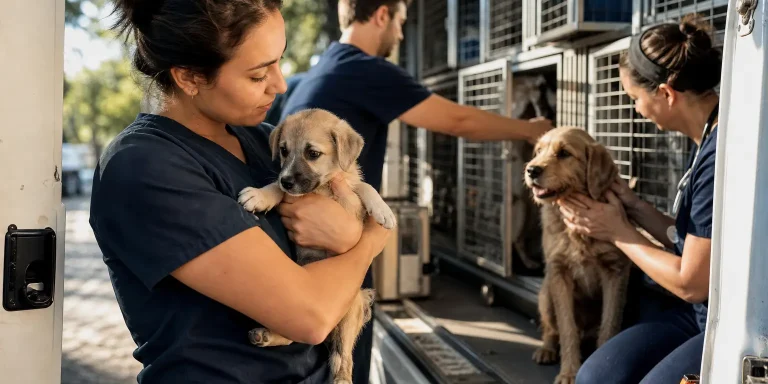
Think about the logistics. A single emergency animal donation might cover surgery for an injured dog, but the real impact extends far beyond that operating table. While veterinary staff work on that animal, other rescue teams use freed-up resources to pull additional animals from dangerous situations.
Staff members who would normally be managing limited funds can instead focus on case management and intake. Facility space gets optimized because the organization isn’t scrambling to cover basic medical expenses.
Emergency animal donations for urgent situations essentially unlock organizational capacity. When a rescue isn’t drowning in unpaid vet bills, coordinators can answer more intake calls. They can transport more animals.
They can coordinate with shelters to prevent euthanasia in partner facilities. The money doesn’t just pay for one creature’s care; it removes financial barriers that were preventing the organization from helping others.
This is why emergency response protocols exist as structured systems. Organizations need to know exactly how to allocate sudden funds the moment they arrive. Without this framework, even generous donations get lost in bureaucratic processes while animals continue suffering.
The multiplier effect: one donation reaching multiple animals in need
The math of animal rescue funding is counterintuitive to most people. One $500 donation doesn’t save one animal. Depending on how it’s deployed, it could save three, four, or more. This multiplier effect happens because rescue organizations operate with razor-thin margins and an incredible amount of volunteer coordination.
Consider what happens when emergency funds arrive. A rescue’s most immediate need is often basic care: food, shelter supplies, and initial medical assessment. Once those baseline costs are covered by dedicated emergency funding, the organization can redirect other revenue streams toward expensive interventions.
Grants that were earmarked for general operations can now fund specialized surgeries. Adoption fee revenue can support behavioral rehabilitation programs. Volunteer time can expand because staff isn’t overwhelmed just keeping animals alive.
The multiplier also works through partnerships. When one rescue has secure emergency funding, it can take overflow cases from underfunded shelters. It can send medical teams to assist other organizations.
It can purchase supplies in bulk and distribute them across multiple rescue networks. A single donation creates a wave of resource-sharing that impacts animals the original donor never directly intended to help.
Real numbers demonstrate this. A $1,000 emergency donation might cover one dog’s orthopedic surgery, but it might also cover food for a shelter’s kitten population for two weeks, allowing that shelter to save money elsewhere. That freed-up shelter funding then rescues more animals from a crowded county facility. The original $1,000 has now indirectly saved or improved care for 20 animals.
Real-world examples of donations changing outcomes for entire animal groups
Stories from rescue work illustrate this principle perfectly. Take the case of Tiny, a small dog who arrived at rescue severely injured and requiring immediate eye surgery. When emergency donations came in, it wasn’t just Tiny who benefited.
The funding meant the rescue could accept a pregnant dog due to deliver within days, a senior cat requiring diabetes management, and a litter of puppies rescued from a backyard breeding situation. Without that emergency support, Tiny might have received care while the other animals waited weeks for space and resources.
After tiny received treatment, the recovery process revealed just how interconnected rescue outcomes truly are. The surgery’s success freed veterinary capacity for other animals already in the facility. Staff could focus on Tiny’s rehabilitation knowing other medical costs were covered. Eventually, when tiny found her, the placement meant shelter space opened for additional rescues from the field.
This cascading impact is standard, not exceptional. Every animal that moves through the system faster because of emergency funding creates space for another rescue. Every group of animals whose immediate medical needs are met allows rescue teams to address root causes like hoarding situations, neglect networks, or abuse cases that impact 10, 20, or 50 animals at once.
When you support animal rescue through emergency animal donations, you’re not just helping one creature. You’re activating an entire system designed to save many.
The Critical Role of Immediate Funding in Animal Rescue
Why timing matters in emergency animal situations
When a dog arrives at a rescue facility with a fractured leg, a cat with an infected wound, or a bird unable to eat, every hour counts. The difference between a $500 emergency intervention and a $5,000 surgical crisis often comes down to minutes, not days.
Consider what happens when funding isn’t immediate. An animal’s condition doesn’t pause while rescue organizations scramble for resources. Infections spread. Pain intensifies. Treatable conditions become life-threatening. What started as a fixable problem transforms into a medical emergency that demands exponentially more resources, more expertise, and more intensive care.
This is why emergency response funding isn’t luxury or convenience. It’s the difference between recovery and tragedy. Rescue organizations operating on shoestring budgets face an agonizing reality: they know exactly what an animal needs, but lack the immediate cash to provide it without jeopardizing care for other rescues already in their care.
The clock is merciless in animal rescue. A donor who responds within hours, rather than days, enables veterinarians to act at the optimal window when treatment success rates are highest and complications are least likely.
How rapid financial response prevents deterioration of animal health
Animal physiology doesn’t negotiate timelines. When a rescue organization can access funding immediately, veterinarians can intervene at critical junctures where treatment is most effective and least invasive.
Take the real-world example of a small dog needing urgent care. When a small dog, the rapid mobilization of resources determines whether she receives treatment during the window when intervention prevents permanent damage. Delay that same treatment by 48 hours, and what was a correctable issue becomes a chronic condition requiring lifelong management or palliative care.
Here’s what immediate funding actually accomplishes:
- Prevents infection progression that could require amputation or euthanasia
- Allows early antibiotic treatment before sepsis becomes life-threatening
- Enables pain management that keeps animals stabilized and reducing stress-related complications
- Permits diagnostic imaging and testing when results are most actionable
- Allows surgical intervention when anesthesia risk is lowest
Without rapid funding, rescue teams watch treatable conditions transform. An infected paw becomes systemic infection. A laceration that could be sutured becomes tissue death requiring surgery. A malnourished animal brought in for recovery becomes critically dehydrated within hours if IV fluids aren’t administered immediately.
Organizations that can access emergency animal donations instantly don’t face these cascading health failures. Their veterinarians can provide the exact intervention needed at the exact moment it matters most.
The cost differences between emergency care and preventative intervention
The economics of delayed animal rescue are brutal and counterintuitive. Every dollar spent on immediate intervention saves three to five dollars in downstream emergency care.
Consider these real cost comparisons from rescue work:
- Abscess treatment (early): $200-400 for antibiotics and wound care performed immediately upon discovery
- Same abscess (delayed 5 days): $1,500-3,000 for surgical drainage, extended antibiotic IV therapy, and possible hospitalization
- Broken leg splinting (within 24 hours): $600-1,200
- Same break treated after 3 days: $2,500-5,000 for surgical pinning due to bone misalignment during healing
- Eye injury examination (immediate): $150-300 for assessment and preventative drops
- Same eye treated after delay: $1,500-3,500 for emergency corneal surgery or removal if infection sets in
This isn’t about rescue organizations being wasteful or negligent. It’s about biology. Animal bodies don’t improve while waiting for funding. They deteriorate. A wound that could be cleaned and sutured for $300 becomes a surgical emergency costing $2,000 after three days of infection. A malnourished animal stabilized with nutrition for $100 becomes a critical hospitalization case for $1,500.
When donors provide immediate support, rescue organizations achieve something remarkable: they actually spend less total money while saving more lives. That’s the mathematics of emergency response. Rapid intervention isn’t expensive. Delayed treatment is.
Every hour that funding is delayed pushes an animal closer to irreversible harm and pushes the total cost of care dramatically upward. This is why help for urgent matters so profoundly, and why rescue organizations prioritize getting resources mobilized in minutes, not weeks.
From Emergency Response to Long-Term Animal Welfare
Transitioning rescued animals from crisis care to rehabilitation
When emergency funding arrives, it doesn’t just stop the bleeding. It opens the door to something far more meaningful: real recovery. An animal pulled from a critical situation needs more than immediate medical stabilization. They need a bridge from survival mode into genuine healing, and that transition requires careful planning and sustained resources.
The first 48 to 72 hours after emergency intervention are crucial, but they’re just the beginning. A dog recovering from severe injuries, a cat with infected wounds, or a neglected animal relearning how to trust requires progressive care that evolves as their physical condition improves. When donations fund this transition phase, rescue organizations can move animals from intensive veterinary care into specialized rehabilitation programs. These might include physical therapy for mobility issues, behavioral assessment for animals showing fear or aggression, and nutritional support to rebuild strength.
Consider the ripple effect here. One emergency donation covering initial surgery creates space in a veterinary clinic, allowing the facility to take on additional cases. But that same donation also funds the weeks of follow-up care that determine whether that animal actually survives and thrives.
Medications, bandage changes, specialist consultations, dietary supplements. These aren’t glamorous expenses, but they’re the difference between an animal that dies weeks after “rescue” and one that truly recovers.
Organizations like Without Voices understand that how we help extends far beyond the initial crisis moment. Rehabilitation doesn’t follow a one-size-fits-all timeline. Some animals need two weeks of intensive support before moving to foster care. Others need three months. The flexibility that emergency funding provides allows rescue teams to customize care based on each individual animal’s needs rather than budget constraints.
Building sustainable support systems for animals after rescue
The animals that survive the critical phase still need infrastructure around them. They need safe spaces to recover, experienced caregivers to monitor their progress, and resources to address both physical and psychological trauma. Emergency donations that fund these support systems create something lasting, something that benefits far more animals than just the immediate rescue case.
Think about foster networks. When emergency funding enables rescue organizations to reimburse foster families for supplies, food, and veterinary care, it expands capacity dramatically. A rescue that can support 20 foster homes because of emergency donations can handle 50 or more when those support systems are properly funded. Each foster home becomes a recovery sanctuary for multiple animals throughout the year.
Behavioral rehabilitation is another critical piece. Animals rescued from neglect, abuse, or crisis situations often carry emotional scars alongside physical injuries. Emergency donations that fund behavioral specialists, training programs, and enrichment activities help these animals regain confidence and learn to trust humans again. Without this investment, many animals would never be adoptable, no matter how well their medical needs were addressed.
The about us section reveals how Without Voices commits to this holistic approach. It’s not about quick fixes. It’s about building the infrastructure that allows rescue organizations to truly rehabilitate animals rather than simply warehousing them while they recover.
Creating pathways to adoption and permanent placement
The ultimate measure of success isn’t rescue. It’s finding an animal a permanent home where they’re safe, loved, and will never face crisis again. This final step in the journey requires investment that many rescue organizations struggle to afford without emergency support.
Adoption requires preparation. Animals need veterinary clearance, behavioral assessments, microchipping, spaying or neutering, and age-appropriate vaccinations. They need quality photos and compelling stories.
They need adoption counselors who can match the right animal with the right family. Emergency donations fund all of this, turning a rescued animal into an adoptable one ready for their forever home.
Consider the example of tiny finds her. That success story wasn’t just about emergency surgery or medical care. It was about complete rehabilitation and finding exactly the right placement. That required resources at every stage, from initial rescue through post-adoption follow-up to ensure the placement stuck.
When rescue organizations have emergency funding backing them, they can invest in adoption events, networking with other rescues, and transport programs that move animals to areas with higher adoption potential. They can afford to keep animals in their care as long as needed to find the perfect match rather than rushing placements just to free up space.
The cycle completes when an animal finds permanent safety. But none of it happens without that critical emergency funding at the beginning. One donation truly does ripple outward, transforming not just one animal’s fate but reshaping entire rescue operations for months to come.
How Rescue Organizations Maximize Every Dollar Donated
Strategic allocation of emergency funds across multiple animals
When a donor contributes to emergency animal rescue, that single gift rarely helps just one animal. The magic happens in how rescue organizations strategically stretch those funds to create a domino effect of lifesaving care. Without Voices understands this deeply, which is why every emergency donation gets dissected and deployed with surgical precision across multiple cases simultaneously.
Consider a typical emergency scenario: a rescue receives $5,000 in urgent donations. That money doesn’t sit in one animal’s medical fund. Instead, leadership assesses active cases across the organization and allocates based on critical need and timeline.
One animal might receive $1,200 for immediate surgery, while another gets $800 for medication and stabilization, a third receives $1,500 for behavioral assessment, and the remaining funds create a buffer for unexpected complications or incoming emergency cases. This triage approach means that single $5,000 donation becomes the difference between life and death for four, five, or sometimes six animals.
The key is having established protocols in place before emergencies strike. Rescue teams maintain detailed case files with cost breakdowns for every animal in their care. They know which medical interventions are most urgent, which can wait slightly longer, and which procedures have the highest success rates when funded immediately versus delayed. This intelligence allows decision-makers to make calls in minutes rather than hours. When dallas cat rescue arrives, staff can immediately identify which animals benefit most and allocate funds accordingly.
Partnerships that extend donation impact in local communities
Strategic partnerships multiply what every dollar can accomplish. Rescue organizations that work closely with veterinary clinics, supply vendors, and community organizations stretch donations far further than those operating in isolation. A partnership with a local vet might mean discounted surgical rates for rescue animals.
A relationship with a pet supply distributor could mean donated food, medicine, or equipment that supplements cash donations. These partnerships effectively increase the buying power of emergency contributions without requiring additional fundraising.
Beyond veterinary relationships, community partnerships amplify impact through shared resources and expertise. A foster network volunteer might donate foster care services, eliminating facility costs. A local business might provide temporary housing during treatment recovery. Transportation networks connect animals to specialized facilities they couldn’t otherwise reach. When denver emergency cat arrives, it doesn’t just pay for medicine, it activates an entire ecosystem of partners working together toward animal welfare. Read more about how these relationships function in our guide to building corporate partnerships.
This collaborative model is especially powerful in regions with multiple rescue organizations. Rather than competing for limited funds, smart groups share resources, refer cases to each other based on specialization, and pool donations during major crises. A donation that might help five animals at one organization could help ten across a coordinated network.
Transparency in showing donors exactly where their contribution goes
Donors give more generously and more often when they understand exactly where their money goes. This isn’t just good fundraising, it’s fundamental accountability. Without Voices maintains detailed records of every emergency donation and tracks outcomes rigorously. When someone contributes to emergency animal donations, they receive specific information about how their gift was deployed.
This might look like: “Your $250 emergency donation helped stabilize a dog with severe injuries for three days of intensive care while we located a surgical specialist. Combined with contributions from other donors, we raised funds for emergency orthopedic surgery that saved her leg.” Donors see the beginning, middle, and end of the story. They understand that their contribution was one piece of a larger solution and they know the outcome.
Many rescue organizations now use tracking systems that donors can access, showing case updates, treatment progress, and eventual adoptions or releases. This creates accountability and builds trust. When potential supporters see that donations genuinely create life-changing outcomes rather than disappearing into vague operations, they’re more likely to contribute again. Transparency also helps identify where funding gaps exist so future emergency animal donations can be directed more strategically. The stories matter just as much as the numbers. Check out how one remarkable animal’s journey unfolded in our piece about how tiny receives treatment.
Stories of Survival: Animals Saved Through Emergency Donations
Case studies showing individual animals and their journeys
Real stories show exactly why emergency funding matters. Consider a small dog. When she arrived at the rescue facility with a severe eye condition, her situation was dire. Without immediate surgical intervention, she faced permanent blindness and chronic pain. But a rapid emergency donation made everything possible. Within 48 hours, Tiny was at the veterinary clinic receiving specialized treatment.
The financial pressure on rescue organizations is relentless. They’re stretched thin, managing dozens of animals simultaneously while trying to keep the lights on. When a donation comes through fast, it eliminates the heartbreaking choice between saving one animal or another.
In Tiny’s case, that single emergency donation didn’t just restore her vision. It freed up resources allowing the rescue to help four other dogs waiting for basic medical care that same week.
Tiny’s treatment represents what becomes possible with emergency funding. The veterinary team could focus entirely on her recovery instead of navigating insurance approvals or delayed payment plans. Recovery progressed faster. Complications were caught immediately. And crucially, tiny found her healthy and confident, ready to bond with a family that might never have had the chance to meet her otherwise.
Community-wide rescue scenarios enabled by rapid funding
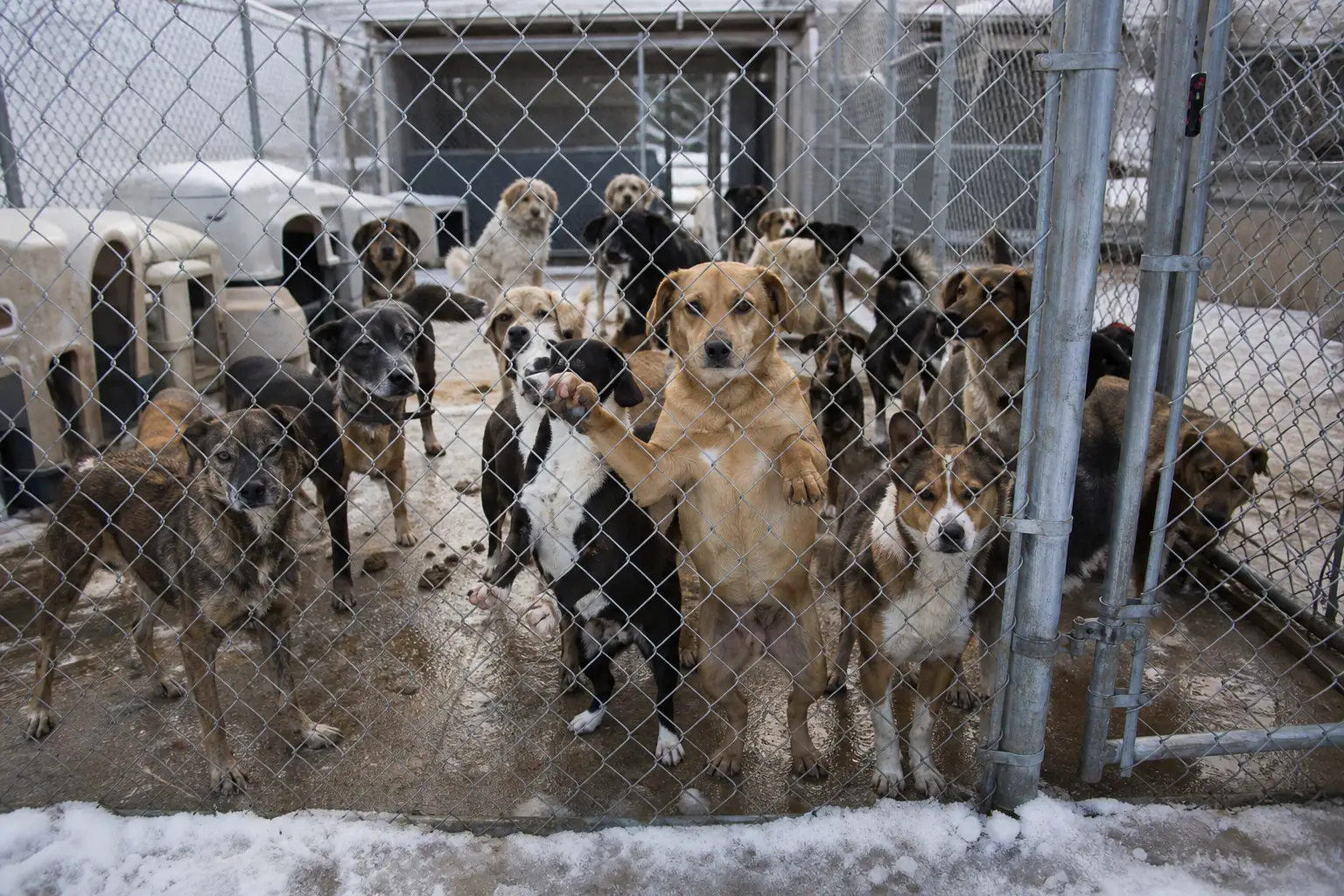
Single donations ripple outward in ways that dwarf the initial impact. In 2023, a major hoarding situation in Houston required immediate intervention. Over 80 animals were seized from hazardous conditions, but the rescue facility had no emergency funds budgeted for this scale of response.
Emergency donations flooded in from supporters who understood the stakes. That rapid influx funded veterinary assessments for all 80 animals within the first week, not the three-week timeline initially projected.
Here’s what those emergency donations accomplished beyond immediate medical triage. Organizations like houston emergency cat operations partnered with volunteer networks to accelerate placement. Behavioral assessments happened faster. Foster homes could take animals sooner. The average length of stay in the crowded facility dropped from 45 days to 22 days. That meant more animals could move through the system, freeing space for other urgent cases.
Other communities face similar crises regularly. Nashville emergency cat depend on this same model. When a house fire displaced 30 cats, emergency donations enabled 24-hour veterinary support, specialized feeding protocols for frightened animals, and temporary housing before permanent adoptions. Without that funding speed, the local shelter system would have collapsed under the sudden intake.
The multiplier effect is measurable. A single $5,000 emergency donation to an understaffed rescue can trigger a domino effect. Emergency vet visits get scheduled immediately rather than delayed two weeks. Animals recover faster and become adoptable sooner. Foster networks expand because resources exist to support them. More animals cycle through the system. More get saved.
The human-animal bonds formed through rescue efforts
Behind every successful rescue is a web of human relationships. Rescue workers, foster families, veterinarians, and donors form connections that transcend the transaction. When someone contributes an emergency donation knowing it will save a specific animal, they become emotionally invested in that outcome.
Many donors follow their animal’s progress through updates and social media. They celebrate recovery milestones. They attend adoption events.
This creates lasting community. Donors return repeatedly because they’ve experienced the tangible impact of their generosity. Foster families often adopt the animals they’ve rehabilitated. Veterinarians volunteer additional services knowing donations will help cover costs. Rescue staff find renewed purpose when they see supporters rally around their mission.
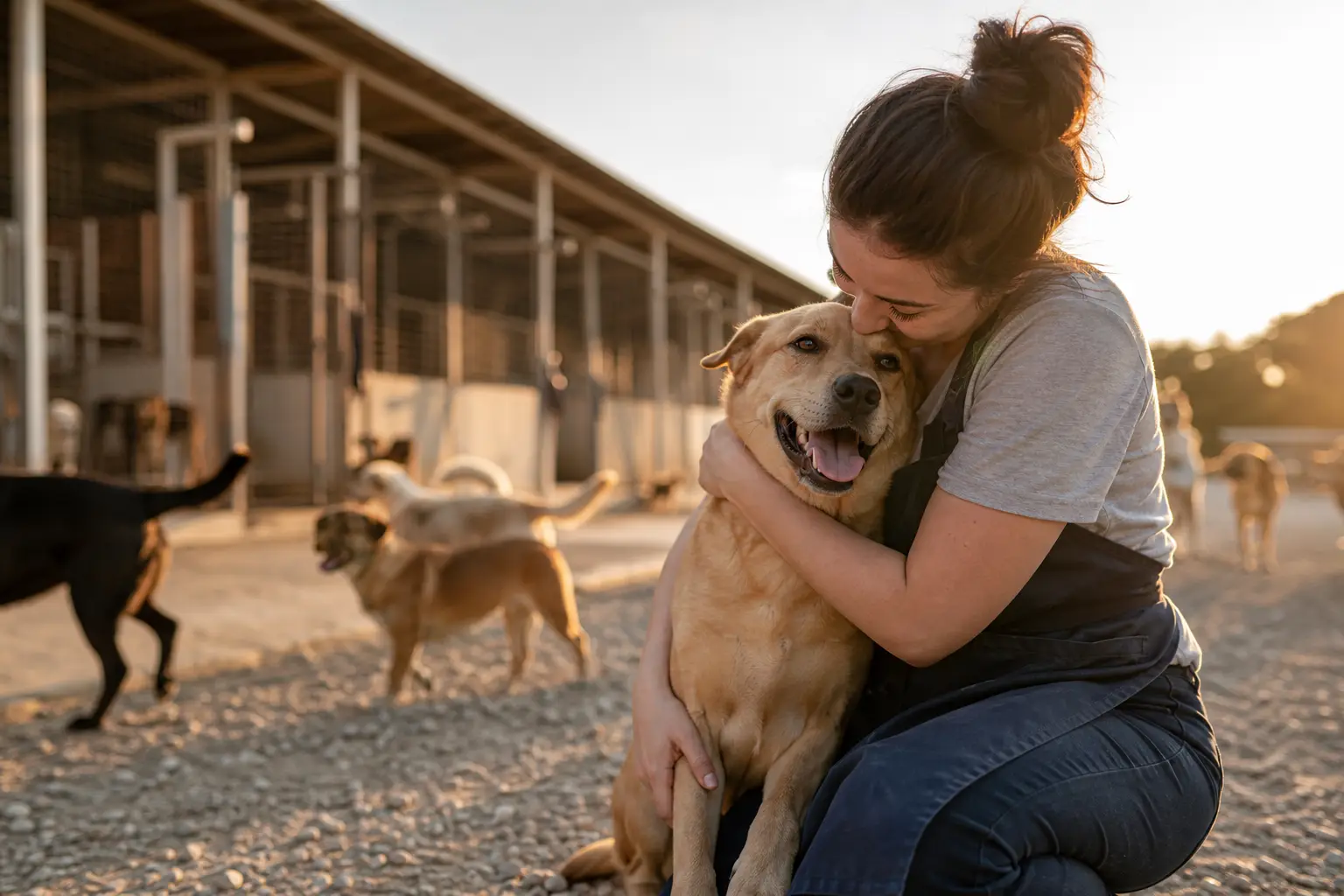
The bond extends beyond humans to the animals themselves. Traumatized creatures learn to trust again through patient care funded by emergency donations. A dog pulled from a neglect situation doesn’t just receive medical treatment.
Emergency funding covers behavioral rehabilitation, allowing that animal to unlearn fear and aggression. That work transforms not just the animal but everyone involved in its recovery.
These connections sustain the rescue movement during impossible moments. When budgets tighten and crises mount, communities remember the animals they’ve helped save. They show up with donations again.
They volunteer. They advocate for stronger animal protection laws. The ripple effect of one emergency donation creates networks of compassion that protect animals long after any single crisis passes.
Getting Involved: Making Your Emergency Donation Count
Choosing organizations with proven track records in animal rescue
Not every rescue organization operates with the same level of efficiency or transparency. When you’re making an emergency animal donation, you want absolute confidence that your money reaches animals in crisis, not administrative overhead. The best organizations publish clear metrics about how donations are allocated, maintain documented relationships with veterinary partners, and can show you real outcomes from past emergency interventions.
Look for rescue groups that maintain accessible case files and public documentation of their emergency response work. Organizations with established protocols tend to move faster when animals arrive at their doors. They’ve already negotiated rates with local veterinarians, have pre-arranged transport options, and know exactly which facilities can handle specific medical emergencies. When you support groups like this, your donation triggers a pre-built system designed to save time and maximize resources.
Ask potential recipient organizations simple questions: How many animals did you help last year? What percentage of donations went directly to animal care? Can you name specific cases where emergency funding made the difference? Transparency here isn’t just nice to have, it’s essential. Organizations willing to share detailed stories (like the journey of a small dog named Tiny, whose treatment at hillcrest required immediate emergency support) demonstrate accountability that matters when lives hang in the balance.
Understanding different donation types and their immediate impact
Emergency animal donations come in different forms, each triggering different ripple effects through rescue operations. A one-time lump sum donation works best for acute crises: a dog hit by a car needing immediate surgery, a cat with a blockage requiring emergency intervention. These single contributions can fund the entire medical response within hours, moving animals from danger into treatment without delay.
But one-time gifts, while critical, don’t solve the ongoing puzzle of rescue sustainability. After the emergency ends, animals still need post-operative care, medications, behavioral rehabilitation, and foster placement support. This is where understanding the full spectrum of donation impact matters.
When you examine how organizations like Without Voices structure their emergency response, you see that immediate medical funding is just the first domino. The subsequent dominoes require sustained resources.
Different donation amounts trigger different capabilities too. Smaller contributions (under $500) often fund diagnostic costs, emergency transport, or initial stabilization. Mid-range donations ($500-$2000) cover surgical interventions or extended hospital stays.
Larger gifts fund comprehensive emergency response operations, allowing rescue teams to deploy resources across multiple animals simultaneously. The key insight: there’s no “wrong” donation amount. Every contribution activates capacity somewhere in the rescue pipeline.
Becoming a recurring supporter to sustain rescue operations year-round
Here’s what many donors don’t realize: emergency animal rescue isn’t seasonal. Crises emerge constantly. Animals suffer traumatic injuries, develop sudden illnesses, and arrive at shelters in critical condition every single day, not just during holidays or in response to high-profile cases. Organizations operating in emergency response mode need predictable funding streams to maintain readiness.
Recurring donations create the financial foundation that allows rescue teams to respond instantly when emergencies strike. When you commit to a monthly contribution, you’re funding the infrastructure that saves animals: the relationships with veterinarians, the transport networks, the temporary medical facilities, the staff training. These structural elements can’t exist on crisis-driven one-time gifts alone.
Consider becoming a monthly supporter of organizations doing this work. Even modest recurring donations ($10-$25 monthly) compound significantly over a year and signal to rescue teams that they can plan beyond the next emergency. You’re essentially giving them permission to build systems instead of scrambling from crisis to crisis. This stability transforms rescue operations from reactive to proactive, meaning fewer animals reach critical condition in the first place.
The ripple effect you’ve read about throughout this blog reaches its full potential when donors like you understand the complete picture. Emergency animal donations matter intensely in acute moments, but sustained commitment builds the infrastructure that prevents those moments from becoming fatal. Whether you’re moved by a specific case like the one featured in help save, or you’re inspired by the systemic approach outlined in our emergency response funding, your involvement matters. Start where you are, give what you can, and consider how recurring support might amplify your impact. Every donation sets off a cascade of help that reaches far beyond the single animal in front of a rescue volunteer. That’s the ripple effect in action. Make your contribution count today.
Related Posts
- A Small Dog Named Tiny Needs Emergency Help
- Tiny Receives Treatment at Hillcrest Veterinary Hospital
- Tiny Finds Her Forever Home
- Building Corporate Partnerships for Large Scale Animal Emergency Relief Operations
- Emergency Response Protocols When Animal Rescue Donations Are Critically Needed
- Help Save This Brave Little Puppy – Urgent Eye Surgery Needed
- Why We Focus on Emergency Response Funding for Animals in Crisis