
Understanding the Financial Impact of Emergency Preparedness
The true cost of unpreparedness: What happens when shelters run out of supplies
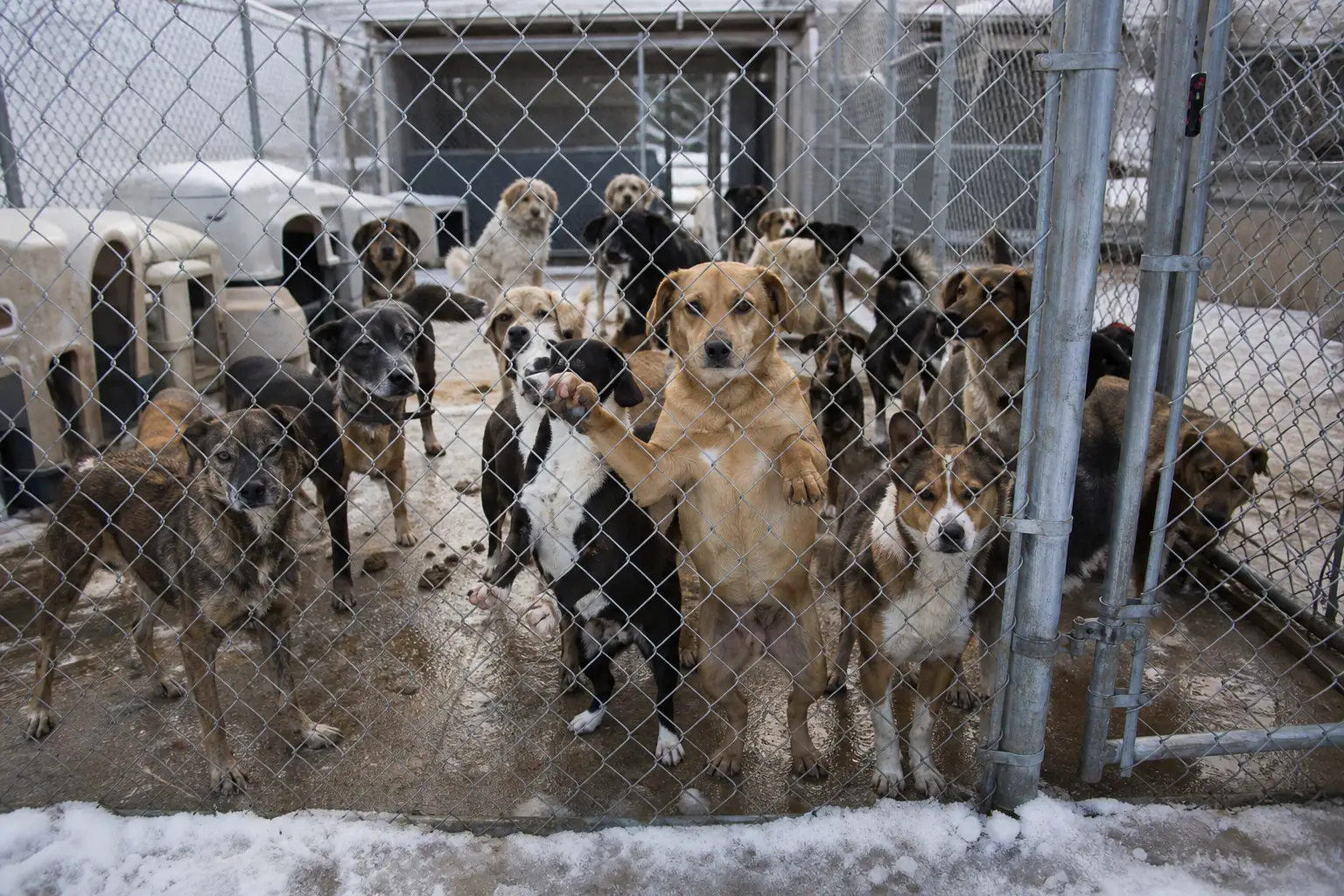
Picture this: it’s 2 AM on a Saturday, and a shelter receives a call about a hoarding situation. Twenty-three animals need immediate intake. The shelter staff arrives energized, ready to help, but within hours the reality sets in.
There’s no funding for emergency veterinary care. The food supply runs low. Medical supplies haven’t been restocked.
What should be a rescue turns into a crisis within a crisis.
This scenario plays out more often than most people realize. When shelters operate without financial reserves, every unexpected situation becomes catastrophic. A single animal requiring emergency surgery can drain an entire month’s budget.
A sudden influx of animals from a neglect case can deplete food stores in days. Staff members find themselves rationing resources, making impossible choices about which animals get treatment first.
The financial fallout extends beyond immediate shortages. When shelters can’t afford preventative care, animals develop serious health complications that cost exponentially more to treat later. An untreated infection becomes a septic emergency. A minor injury becomes a mobility issue requiring long-term rehabilitation. Consider the real-world impact: animals like those requiring a small dog depend entirely on shelters having the financial capacity to act quickly when time is critical.
Beyond individual animals, unprepared shelters face operational collapse. Staff burnout skyrockets when people constantly scramble for funding instead of focusing on animal care. Volunteer recruitment suffers because people don’t want to work in chaotic environments.
The shelter’s reputation in the community takes hits that take years to rebuild. Donors lose confidence in organizations that appear disorganized or financially unstable.
How emergency reserves reduce operational disruption during crises
Emergency reserves function like a financial shock absorber. When a crisis hits, shelters with reserves can respond immediately instead of launching desperate fundraising campaigns while animals suffer. This isn’t theoretical benefit, it’s operational necessity.
Consider what happens when a shelter has adequate emergency reserves in place. An intake surge doesn’t trigger panic because supplies are already on hand. A medical emergency doesn’t force staff to choose between treating an animal and paying utilities. Seasonal challenges, like the increased volume during holiday seasons or winter months, become manageable instead of catastrophic.
Reserves also enable continuity of care. When animals arrive at a shelter, they often need weeks or months of treatment before they’re healthy enough for adoption. Without reserves, shelters pressure themselves to adopt out animals too quickly, leading to returns and failed placements. With financial cushioning, staff can provide thorough rehabilitation, ensuring animals truly thrive in their forever homes. Stories like tiny receiving treatment and tiny finding her show what’s possible when proper resources exist from day one.
Emergency reserves also reduce the need to make harmful financial decisions. Shelters without reserves often delay necessary infrastructure improvements or equipment upgrades. Staff work in outdated facilities. Medical equipment breaks down and stays broken. These conditions compromise animal welfare and create safety hazards for both animals and staff.
Calculating the ROI of proactive funding versus reactive crisis management
The math is straightforward, though many shelters don’t calculate it formally. Emergency preparedness costs less than crisis response, period.
Let’s look at real numbers. Building a modest emergency reserve of $15,000 to $25,000 at a small shelter might take 12 to 18 months of dedicated fundraising. But when a crisis hits and the shelter doesn’t have those reserves, the costs multiply rapidly.
A single emergency medical case that could have been prevented through regular checkups might cost $3,000 to $5,000 in emergency treatment. A shelter closure due to supply shortages means lost adoption revenue, damaged partnerships, and reputation costs that stretch far beyond the immediate crisis.
The return on investment becomes clear when you factor in staff efficiency. Organizations with stable funding retain experienced staff, avoiding the constant expense of recruiting and training replacements. Experienced staff work faster, make better decisions, and identify problems before they become emergencies. This is why understanding why we matters for every shelter leader evaluating their financial strategy.
Proactive funding also improves adoption outcomes. Animals receive proper care and behavioral assessment, leading to better matches with adopters. Fewer returns means less re-intake work and lower long-term costs per animal placed.
The bottom line: shelters that build emergency reserves spend less money overall while providing better care. It’s preventative investment, not luxury spending. And every donor who understands this equation becomes a partner in building organizational resilience.
What Every Shelter Needs in Its Emergency Reserve Fund
Essential supply categories: food, hygiene, medical, and behavioral health
A shelter without adequate reserves is one crisis away from closing its doors. The most critical supplies fall into four distinct categories, each essential to maintaining operations when funding gets tight or demand spikes unexpectedly.
Food is the foundation. A typical medium-sized shelter housing 80 to 120 animals burns through supplies fast. Your reserves should cover at least 90 days of mixed diet inventory (wet food, dry kibble, specialty diets for senior or medical animals).
When shelters face sudden intake surges, they’re often feeding 40% more animals than their baseline. That’s where reserves become a lifeline, not a luxury.
Hygiene supplies run deeper than most people realize. Cleaning agents, disinfectants, laundry detergent, waste management supplies, and personal protective equipment for staff aren’t glamorous, but they’re non-negotiable. Disease spreads in poorly maintained environments, and that means higher medical costs, longer recovery times, and stressed animals. A six-month reserve of these items costs less than treating one outbreak of kennel cough across your entire facility.
Medical supplies represent the heart of emergency preparedness. Bandages, wound care materials, basic medications, diagnostic supplies, and diagnostic equipment need consistent restocking. Consider that emergency situations often, and you’ll realize why shelters can’t afford to be caught short on supplies when a traumatized animal arrives needing urgent care.
Behavioral health resources often get overlooked in reserve planning, but they’re critical. This includes enrichment toys, calming supplements, anxiety-reducing equipment, and specialized bedding for stressed animals. A terrified dog recovering from neglect needs more than food and shelter; behavioral support prevents long-term psychological damage and makes adoption outcomes stronger.
Staffing and operational continuity during peak demand periods
Reserves aren’t just about supplies. They’re about people. When a natural disaster hits or an animal cruelty case brings in 200 animals overnight, your skeleton crew can’t handle it alone. Emergency reserves must include budgeted funds for temporary staffing.
Veterinary technicians, animal care specialists, and trained volunteers become invaluable during surge periods. A shelter with inadequate reserves ends up cutting corners: animals get less frequent checks, medical assessments lag, and staff burnout accelerates. Quality suffers, and staff turnover balloons, creating a cycle that’s expensive to break.
Think about operational continuity holistically. Can you pay overtime when needed? Can you bring in contract veterinarians during medical emergencies? Can you fund additional cleaning staff when disease risk spikes? These aren’t perks. They’re the difference between maintaining standards and compromising animal welfare. Understanding emergency response protocols helps shelters allocate reserves strategically.
Facility maintenance and security upgrades that prevent service interruptions
A failing HVAC system in winter doesn’t just create discomfort. It creates hypothermia risk, especially for very young or elderly animals. A broken kennel lock endangers animals and staff. Crumbling shelter infrastructure during an emergency means compounded crisis. Emergency reserves must fund preventive maintenance and critical upgrades.
Your reserve should cover emergency repairs: roof leaks, plumbing failures, electrical issues, fence breaches, and door locking mechanisms. It should also fund security improvements that prevent service interruptions during high-stress situations. Better lighting, camera systems, and reinforced enclosures aren’t nice-to-haves; they’re operational essentials that protect both animals and your team’s ability to function during chaos.
A single facility failure during peak demand can cost more in emergency repairs than years of preventive maintenance reserve funding. That’s not speculation. That’s shelter finance reality.
Technology infrastructure to maintain case management and resident tracking systems
Shelters run on data. Case management systems track medical histories, behavioral notes, adoption readiness, and legal holds. When technology fails during an emergency, shelters lose critical information about which animals need what care.
Your reserves need to cover hardware, software licenses, backup systems, and cybersecurity infrastructure. Server failure during a 300-animal intake surge isn’t just an IT problem. It’s an animal welfare crisis. You lose track of medical treatments, medication schedules, and behavioral protocols.
Technology reserves also cover staff training on these systems, ensuring continuity if regular IT personnel become unavailable. Internet connectivity, data backup solutions, and emergency communication platforms are part of operational reserves too. Many shelters working with organizations focused have discovered that robust technology infrastructure is what separates controlled crisis response from chaos.
Building Reserves That Actually Work: A Practical Framework
Setting realistic reserve targets based on shelter capacity and seasonal needs
The biggest mistake shelters make when building reserves is thinking one-size-fits-all numbers work across the board. A 50-animal shelter operates completely differently from a 300-animal facility, and seasonal patterns vary wildly depending on your region. Your reserve target should tie directly to your actual operational costs and the specific challenges your shelter faces month to month.
Start by calculating your average monthly spending across food, medical supplies, utilities, and staffing. Most shelters should aim for a reserve equal to three to six months of operating expenses, though this varies based on funding predictability. If your budget relies heavily on seasonal donors (think holiday giving), you might need closer to six months.
A shelter with steady corporate partnerships and consistent grant funding can operate safely with three months. Track your historical intake patterns too. If winter brings a 40% spike in animals, your reserve needs to account for that surge in food and medical resources.
Document these numbers in a clear, accessible spreadsheet. Revisit them annually and adjust based on changes in capacity, staffing levels, or local economic conditions. This isn’t about hoarding; it’s about being honest about what your operation actually needs to survive a funding gap.
Inventory rotation strategies that prevent waste while maintaining readiness
Dead stock is poison to an emergency reserve. Food expires, medications lose potency, and supplies gather dust while your reserve budget sits stagnant. The solution is systematic rotation that keeps reserves fresh while ensuring nothing goes to waste.
Implement a first-in-first-out (FIFO) system for all perishables and dated items. When new shipments arrive, place them behind existing stock so older items move through first. This requires organized storage and staff training, but it prevents the scenario where you discover expired medications when an actual emergency hits. For non-perishable supplies like blankets, crates, or cleaning equipment, use FIFO for the reserve stockpile itself while integrating regular inventory items into your daily operations.
Create a quarterly inventory audit schedule. One staff member should physically count and inspect reserves every three months, noting expiration dates and condition. This catches problems early. If food expires before you can reasonably use it, your reserve target is too high or your donation cycles need adjustment. If medical supplies are running low faster than expected, you’ve identified a real operational need that wasn’t obvious before. Some shelters pair winter food supply campaigns with a pre-winter reserve audit, ensuring supplies are fresh and quantities are adequate.
Partnering with suppliers to create just-in-time emergency procurement plans
Your reserve fund can stretch further when you partner strategically with vendors who understand animal rescue. These aren’t typical business relationships; they’re commitments built on mutual understanding of what happens when shelters face emergencies.
Approach major suppliers (food distributors, veterinary equipment vendors, pharmaceutical companies) with a simple proposition: in exchange for steady business and transparency about your needs, can they commit to priority fulfillment if you call with an emergency order? Many suppliers will agree, especially if you formalize the arrangement in writing. Some might offer modest discounts for volume commitments or loyalty agreements. Others, particularly local businesses, simply understand the mission and prioritize accordingly.
Just-in-time procurement means you don’t stockpile everything; instead, you maintain a lean reserve for immediate emergencies while knowing you can access bulk supplies within 24-48 hours if needed. This works particularly well with food suppliers, where shelf life is a real constraint. Partner agreements should specify lead times, minimum order quantities, and emergency contact procedures. Building Corporate Partnerships outlines how these relationships evolve into deeper collaboration that benefits both parties.
Documenting reserve usage and conducting regular preparedness audits
Every time your reserve is accessed (whether for a real emergency or an operational dip), document it. Record what was withdrawn, why, the date, and who authorized it. This creates a decision trail that reveals patterns in your actual needs versus projected needs.
Conduct a full preparedness audit twice yearly. Review all reserve withdrawals from the past six months, check inventory conditions, test your emergency procurement contacts to ensure they’re still responsive, and validate that your reserve targets still make sense. This audit should involve leadership, veterinary staff, and operations management.
It’s the moment to ask hard questions: Did we accurately predict our needs? Are there supply gaps we didn’t anticipate? Has our animal intake pattern shifted?
Use audit findings to refine your reserve strategy. If a particular medication category runs low repeatedly, maybe your medical reserve needs rebalancing. If procurement partners became unresponsive, find new ones. This isn’t bureaucracy; it’s the mechanism that keeps your reserve functional and relevant when animals depend on it.
How Individual Donations Strengthen Shelter Resilience
The ripple effect: How small, consistent gifts create robust emergency capacity
Here’s what most people don’t realize: shelter budgets don’t fail because of one massive crisis. They fail because of death by a thousand cuts. A $50 donation might seem modest on its own, but when fifty supporters each contribute $50 monthly, that’s $30,000 per year building the reserve fund. When you multiply that across hundreds of committed donors, you’re looking at the financial backbone that keeps shelters operational during unpredictable emergencies.
The power isn’t in the individual gift. It’s in consistency. A shelter can’t plan around sporadic windfalls, but recurring donations? Those become predictable revenue that accounting teams can factor into emergency reserve strategies. One donor who gives $25 every month is worth significantly more to long-term stability than someone who donates $500 once and disappears.
Think about it from operational reality: when a shelter faces a sudden outbreak requiring intensive veterinary care, or when winter flooding damages facilities, the staff needs money available immediately. They can’t wait for fundraising campaigns to gain traction. The only thing that keeps them from turning animals away is having emergency animal donations already sitting in restricted accounts, built gradually by people like you who understand that resilience is a marathon, not a sprint.
Unrestricted funding versus designated donations—what shelters need most
Donors often want their contributions directed to specific causes. A gift for dog rescue feels more tangible than a general shelter fund. But here’s the uncomfortable truth: shelters need unrestricted funding far more than they need designated dollars, even though most donors don’t think about it that way.
Designated donations create constraints. If you earmark $100 specifically for cat food, the shelter can’t use it for emergency medical supplies even if that’s the critical need that week. Unrestricted funds give shelter leadership the flexibility to allocate resources where the need is greatest and most urgent. During a crisis, that flexibility is everything.
That said, designated giving isn’t useless. If you want your donation supporting specific programs like bella’s rehabilitation journey or eye surgery &, that’s a meaningful choice. But donors who truly want to strengthen resilience should consider directing contributions to the general rescue fund or explicitly unrestricted emergency reserves. The shelter’s leadership team knows where the gaps are. Trust their judgment.
Multi-year giving commitments and their role in long-term stability
Pledging support over multiple years transforms how shelters can plan. A three-year commitment signals to board members and financial advisors that the organization has predictable revenue. That security enables facilities to invest in infrastructure improvements like better medical equipment or climate control systems without panic.
When a donor commits to $50 monthly for 24 months, the shelter can factor that $1,200 into annual projections. They can hire an additional staff member knowing there’s runway. They can upgrade veterinary equipment upgrade initiatives without fear of mid-project budget collapse. Multi-year pledges are how shelters move from crisis management to actual strategic planning.
You don’t need to commit enormous amounts. What matters is the time horizon. Even a two-year pledge at whatever monthly amount feels manageable to your budget signals stability that changes how a shelter operates.
Transparency: Understanding exactly where your contribution goes
Supporting emergency animal rescue means wanting to know your money makes a real difference. Legitimate organizations provide detailed accounting. They publish how much funding went to veterinary care, facility maintenance, staffing, and reserves. They show the actual outcomes: animals treated, adoptions completed, lives extended.
Before giving to any shelter or rescue, ask for this information. How much of each dollar goes directly to animal care? What percentage funds overhead? Where exactly does emergency reserve funding sit, and what triggers its use? If an organization dodges these questions, that’s a red flag.
The best shelters understand that transparency builds trust, and trust builds sustained giving. They’re happy to explain that why we focus and how every donation directly strengthens their capacity to respond. When you can see the line between your gift and an animal’s recovery, that connection keeps you engaged as a long-term supporter rather than a one-time donor.
Creating a Sustainable Giving Strategy for Supporters
Monthly donor programs that provide predictable reserve funding
Shelters face a constant tension: they need stable funding to build emergency reserves, but donations often come in unpredictable waves tied to seasonal campaigns or viral social media moments. Monthly giving programs solve this problem directly. When supporters commit to recurring donations, shelters gain visibility into future cash flow and can actually plan reserve growth with confidence.
The math is straightforward but powerful. A shelter with 200 monthly donors contributing just $25 each generates $60,000 per year in predictable revenue. That’s enough to establish a meaningful emergency cushion without depending on crisis-driven fundraising (which, frankly, arrives too late when disasters strike). Monthly programs also reduce donor acquisition costs since retention of recurring givers typically exceeds 90% when the organization communicates impact clearly.
What makes monthly giving particularly effective for emergency preparedness is the psychological shift it creates. Supporters who commit monthly feel invested in the shelter’s long-term mission. They’re not just funding today’s meals; they’re building infrastructure for tomorrow’s crisis response. When a flood, fire, or disease outbreak hits, these donors already understand why reserves matter because they’ve been funding them for months.
The implementation is surprisingly simple. A shelter needs a secure payment processing system, clear communication about reserve fund progress, and monthly impact updates showing how contributions strengthen emergency capacity. Stories matter here. Showing how monthly donations prevented delays in emergency surgeries or enabled rapid response during a housing crisis makes the abstract idea of “reserves” feel tangible and necessary.
Workplace giving campaigns and group fundraising for emergency initiatives
Corporate workplaces represent an underutilized channel for emergency reserve funding. Employees often want to support causes they care about, and workplace giving campaigns amplify individual contributions through matching programs, payroll deductions, and collective group fundraising.
Here’s the practical advantage: payroll deduction removes friction. An employee contributing $10 per paycheck barely notices the deduction but generates $260 annually for shelter reserves. When 50 employees participate in a workplace campaign, you’re looking at $13,000 per year from a single company with minimal ongoing effort required.
Group fundraising campaigns add another dimension. Teams competing in fundraising challenges, organizing charity walks, or hosting happy hour events create social momentum. They also reach networks beyond the organization’s typical donor base. A software company’s engineering team raising funds for emergency animal care brings fresh supporters who might not have discovered the shelter otherwise.
Corporate matches amplify impact further. If a company offers dollar-for-dollar matching on employee donations up to $10,000, that $5,000 raised by staff suddenly becomes $10,000. Over time, relationships with workplace partners develop, and some companies expand into dedicated emergency relief sponsorships. Many corporate partners appreciate the alignment with resilience and preparedness messaging, especially those in industries where disaster planning is already part of their culture.
Corporate partnerships that align business goals with shelter resilience
Beyond employee giving, strategic corporate partnerships create sustained funding for emergency reserves. Businesses that face their own operational risks often resonate with shelter preparedness messaging. Insurance companies, veterinary suppliers, and pet product retailers understand the value of building resilience.
The partnership conversation starts with alignment. A pet food company might sponsor emergency reserve funding because it strengthens the customer base they serve. A veterinary hospital could underwrite emergency medical reserves as a way to demonstrate community commitment while building referral relationships with local shelters. When business objectives and shelter needs overlap, partnerships generate funding that lasts beyond a single campaign.
Building corporate partnerships requires understanding what partners want: visibility, tax benefits, authentic alignment with their values, and measurable impact reporting. Shelters that deliver these elements attract partners willing to contribute $25,000 to $100,000 annually toward emergency reserves.
Real examples abound. A regional veterinary chain might dedicate 2% of profits from shelter partner consultations to emergency medical reserves. A logistics company could sponsor rapid-response equipment funding. These aren’t one-time donations; they’re structural commitments that grow reserves consistently.
Planned giving and legacy giving options that build enduring reserves
Legacy giving represents the longest-term strategy for reserve building. Supporters who include shelters in their wills, establish charitable trusts, or donate appreciated securities provide funding that compounds over decades.
Many supporters want to leave a meaningful legacy but don’t know how. Offering planned giving options opens doors. A supporter might name the shelter as beneficiary of a life insurance policy at minimal cost, knowing that a $50,000 payout will fund emergency reserves for years. Others establish charitable remainder trusts that generate income during their lifetime and donate the remainder to shelter work.
The beauty of legacy giving is sustainability. These gifts typically arrive outside normal fundraising cycles and can be designated specifically for emergency reserves. Over time, a shelter that cultivates planned giving relationships builds an endowment-style reserve that weatheres economic downturns and major crises. Why we focus becomes clear when you see how legacy gifts create permanent capacity for urgent animal care.
The Bigger Picture: Why Community-Wide Preparedness Matters
How shelter resilience reduces strain on other social services and healthcare systems
When animal shelters operate without adequate emergency reserves, the ripple effects extend far beyond the animals they serve. Underfunded shelters often transfer their crisis costs to already-stretched public health systems, law enforcement, and municipal resources. A shelter that can’t handle a sudden intake surge may rely on police to manage animal control calls that should have been preventative.
Emergency rooms see cases of neglected animals that could have been caught earlier with proper shelter capacity. Public health departments get pulled into disease outbreaks that started in overcrowded facilities simply because there was no emergency buffer to manage the situation.
When shelters maintain strong emergency reserves, they become stabilizing forces in their communities. They absorb the shocks that would otherwise cascade outward. A resilient shelter absorbs a flood of animals after a disaster without demanding government intervention for every cage, every meal, every medical emergency.
This matters because community resources are finite. Every dollar a city spends rescuing animals from an overwhelmed shelter is a dollar not spent on human services, infrastructure, or prevention programs. Strong shelter reserves mean those resources stay available for the broader community while animals still receive care.
It’s not about choosing between animal welfare and human services. It’s about creating systems where one doesn’t cannibalize the other.
Building public-private networks to share resources during widespread emergencies
The most resilient animal shelters don’t operate in isolation. They’re part of networks where resources can flow quickly when crisis hits. This might mean a shelter in Colorado coordinates with rescues across state lines, or a facility partners with corporate sponsors who’ve pre-committed to emergency support.
These networks only work when individual shelters have some baseline capacity and funding to participate. A shelter that’s already running on fumes can’t help other facilities in a regional disaster. But a shelter with emergency reserves becomes a reliable partner that can actually contribute resources instead of just requesting them.
Consider how colorado emergency cat efforts benefit from interconnected shelter networks. When one facility experiences crisis, nearby partners can provide temporary housing, medical expertise, or supplies because they had the reserves to maintain that capacity. This mutual support system reduces the pressure on any single organization and creates redundancy. A facility in California, another in Chicago, and a third in Colorado all benefit from this interconnectedness because building corporate partnerships gives these shelters shared access to resources that span regions.
Advocating for policy changes that recognize emergency reserves as a public health priority
Policy makers don’t always understand why shelters need emergency reserves. From a budget perspective, it looks like money sitting idle. But that perspective misses the reality of how emergencies work.
Smart policy advocacy frames emergency shelter reserves not as a luxury but as essential infrastructure, similar to how communities maintain disaster reserves for fire, flood, or public health response. Some forward-thinking jurisdictions now require or incentivize shelters to maintain emergency funds as part of their licensing requirements. This shifts the conversation from crisis management to crisis prevention.
Advocating for these policy changes means showing decision makers the data: the cost of responding to shelter crises versus the cost of preventing them. It means demonstrating that emergency response funding becomes more effective when shelters have baseline reserves. It means pushing back against the idea that animal welfare is separate from public health, community stability, and disaster preparedness.
Your role in shifting the conversation from crisis response to crisis prevention
Every time you support a shelter’s emergency reserves instead of waiting for crisis donations, you’re shifting the cultural conversation. You’re saying that prevention matters more than heroic last-minute rescues. You’re helping organizations invest in sustainability rather than constantly operating in survival mode. When you understand emergency response protocols, you see that the best protocols are the ones that never have to activate because the systems they protect were built to handle stress.
Supporting shelter emergency reserves isn’t glamorous. It doesn’t come with the emotional intensity of saving a specific animal’s life. But it’s the work that makes those dramatic rescues possible.
It’s the foundation that allows shelters to be there when communities need them most. Your sustained commitment to this kind of funding transforms how shelters operate, how communities respond to crises, and ultimately how many animals get the second chance they deserve. That’s the bigger picture.
That’s why this matters.