Understanding the Crisis-Opportunity Paradox in Animal Welfare
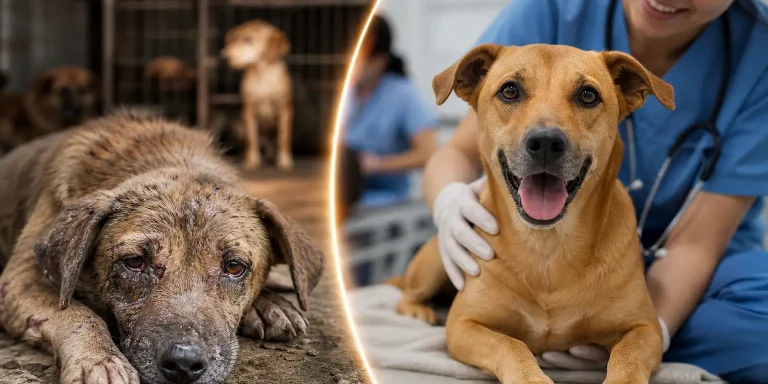
When a dog arrives at a rescue facility with untreated wounds, infected eyes, and malnutrition, that moment feels like pure crisis. The animal is suffering. Resources are stretched thin.
Donors are overwhelmed with urgent pleas. But what if that emergency becomes the catalyst for something far bigger? What if that single injured dog inspires a donor to fund an entire veterinary wing, transforms public understanding of animal welfare, or pushes legislators to pass protections that save thousands of animals down the line?
This is the crisis-opportunity paradox in animal welfare. On the surface, emergencies feel like failures, breakdowns, and desperate scrambles to prevent loss. But beneath the urgency lies something profound: crises expose gaps in the system, capture public attention in ways routine advocacy never can, and create windows where transformative change becomes possible. Understanding this paradox is essential for anyone working in animal rescue, donors seeking to maximize impact, and communities committed to building sustainable welfare solutions.
The real question isn’t whether crises are good or bad. They’re both. The question is how we respond to them, what we learn, and whether we have the infrastructure and vision to convert immediate suffering into lasting systemic change.
How organizations distinguish between reactive crisis management and proactive systemic change
Most animal rescue organizations operate in survival mode. A call comes in about a neglected animal, and the team mobilizes. They fundraise for that specific case, provide medical care, find a placement. This is crisis management, and it’s absolutely necessary. Animals in acute distress need immediate intervention, and there’s no ethical way around it.
But there’s a critical difference between managing individual crises and using those crises as evidence for systemic solutions. Reactive management asks: “How do we save this dog?” Proactive systemic change asks: “Why did this situation exist in the first place, and what policies, partnerships, and infrastructure prevent it from happening again?”
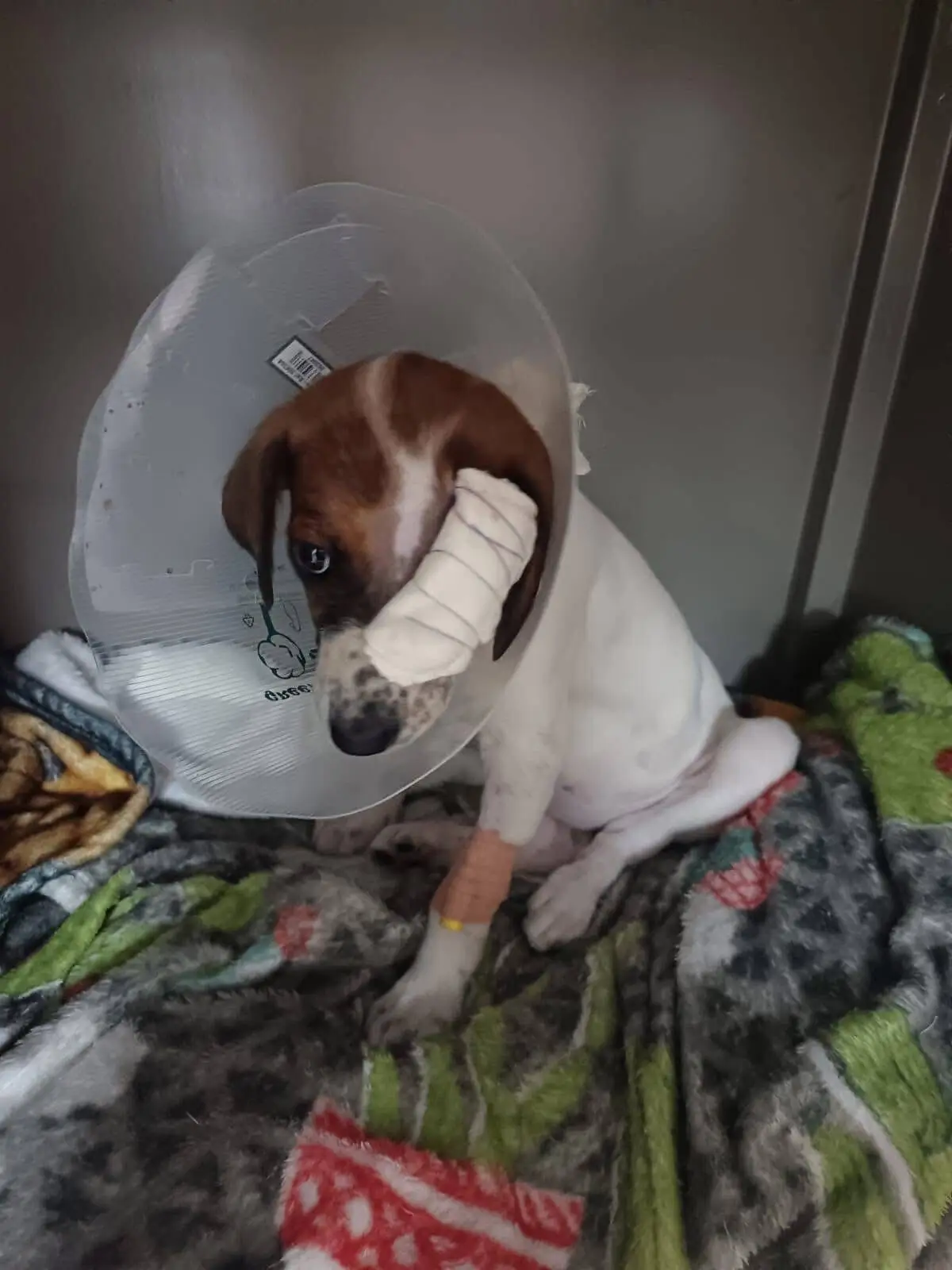
Consider a case where a severely injured puppy arrives needing emergency surgery. The immediate crisis response is securing funding and veterinary care. That’s essential.
But the systemic opportunity lies in asking harder questions: Was this animal neglected because the owner lacked resources for basic care? Does the community have accessible, affordable preventive veterinary services? Are there education programs teaching responsible ownership?
Are laws around animal cruelty enforced consistently?
Organizations that master both approaches recognize that individual rescue cases provide the emotional and moral foundation for larger advocacy work. The stories of animals like the one documented in a small dog become powerful evidence when lobbying for policy change. Building corporate partnerships creates stable funding streams that reduce the reactive scramble. And implementing emergency response protocols ensures that when the next crisis hits, the organization doesn’t collapse under the weight of it.
Historical examples where animal welfare crises catalyzed major legislative reforms
History shows us repeatedly that public attention to animal suffering, when channeled strategically, drives legislative change that protects entire species and populations.
In the 1960s, public outcry over the conditions of animals used in cosmetics testing led to the development of alternative testing methods and eventually the banning of animal testing in several countries. The crisis wasn’t sudden; it was an accumulation of exposures that shifted public consciousness. Once people understood the scale of suffering, they demanded laws.
Similarly, investigations into factory farming practices over the past two decades have resulted in stricter welfare standards, cage-free commitments from major food corporations, and ballot initiatives across multiple states. Each investigation revealed a crisis. Each crisis sparked outrage. Each outrage created political momentum for reform.
The pattern is consistent: visible suffering captures attention, attention generates public pressure, pressure forces legislative action, and legislation creates lasting protections that prevent future crises on similar scales. Without the visible crises, the need for reform remains abstract and easy to ignore.
The role of public awareness in transforming emergencies into momentum for long-term solutions
Here’s what many rescue organizations underestimate: people care about animals, but they often don’t understand the scope of the problem. An individual case, shared widely with real details and genuine emotional stakes, suddenly makes the abstract concrete. It transforms “animal welfare is important” into “this specific being matters, and I can help.”
When tiny receives treatment, that story reaches potential donors. Some contribute to that case. But others begin asking deeper questions about animal rescue infrastructure, about why emergency funding is so critical, about what systemic changes could prevent similar situations. They’ve moved from transaction to awareness.
Public awareness of repeated crises also normalizes the conversation about emergency animal donations and why they’re necessary. It reframes emergency response as a legitimate, ongoing need rather than a shameful admission of failure. Communities that understand animal welfare crises are communities ready to support longer-term solutions through policy advocacy, volunteer commitment, and sustained funding.
The transformation from emergency to opportunity happens when organizations tell the full story: the crisis, the response, the outcome, and the systemic lesson embedded in all of it.
Recognizing Critical Moments That Drive Real Change
Early warning signs that indicate a crisis could become an inflection point for the industry
Not every animal welfare crisis becomes a turning point. The difference lies in recognizing which emergencies carry the potential to shift how systems operate at scale. The key is learning to spot the signals early, before momentum either builds or fades.
The first indicator is scale combined with visibility. When a crisis affects enough animals and enough people see it happening, the math changes. A single animal in distress tugs at hearts, but a widespread outbreak affecting dozens or hundreds? That forces institutions to confront uncomfortable truths about current infrastructure, funding models, and response capabilities. The moment media outlets and social platforms amplify these numbers, you’re watching a potential inflection point form.
Another critical signal is when established protocols fail publicly. When rescue organizations already in place cannot respond adequately, or when veterinary systems become overwhelmed, people notice. These gaps expose systemic weaknesses that were always there but previously hidden. The conversation shifts from “this animal needs help” to “our entire approach to emergency response is broken.” That shift matters. Understanding why we focus means recognizing these exact moments when systems prove inadequate.
You should also watch for when affected communities start demanding change themselves, not waiting for top-down directives. Grassroots pressure signals genuine readiness for transformation. When shelter volunteers speak out, when local residents organize, when donors suddenly increase funding requests, those are warning signs that the crisis has moved beyond isolated tragedy into territory where people expect systemic solutions.
Media coverage and public sentiment as indicators of readiness for institutional transformation
Media attention is more than noise. It’s a thermometer measuring whether society views a crisis as temporary or symptomatic of deeper problems. How stories get framed determines whether a crisis fades into memory or catalyzes change.
When coverage moves beyond tragedy narratives into investigation and accountability journalism, transformation becomes possible. Stories that ask “why did this happen?” and “what systems failed?” push audiences toward demanding structural fixes rather than simply feeling sympathy. This is precisely when foundations, corporations, and government agencies begin rethinking their own commitments to animal welfare.
Public sentiment follows a predictable pattern. Initial shock gives way to grief, then anger, then demand for action. The critical window occurs when that anger hasn’t yet dissipated into apathy. Organizations that engage during this window, that channel outrage into sustainable solutions, position themselves to influence outcomes. Real examples show this dynamic clearly: when specific cases like those covered in urgent eye surgery receive sustained attention, they become catalysts for broader resource allocation discussions.
Social media amplifies this effect. Content that resonates emotionally spreads faster than traditional news cycles. When hashtags trend around an animal welfare issue, when discussion persists across multiple platforms, institutions experience real pressure to respond. But here’s the thing: that pressure only translates into change if organizations are prepared with concrete proposals, not just statements of concern.
Stakeholder alignment: When governments, NGOs, and communities converge around animal welfare priorities
The most significant turning points occur when multiple stakeholder groups simultaneously recognize the same problem and need the same solution. This alignment is rare, which makes it powerful when it happens.
Picture a scenario where a disease outbreak affects shelter animals across multiple states. Government health departments suddenly care because public health is involved. NGOs care because their capacity is strained.
Communities care because they’ve donated to these organizations and expect results. Suddenly, everyone speaks the same language: we need funding, we need coordination, we need better infrastructure. That convergence opens doors that normally stay closed.
Government bodies typically require political cover before investing new resources into animal welfare. Crises provide that cover. Elected officials can point to public demand, media pressure, and organizational readiness as justification for budget allocations.
NGOs provide the infrastructure and expertise to deploy those resources effectively. Communities provide the sustained engagement and funding that makes programs sustainable beyond the crisis moment itself.
Examples from building corporate partnerships show how this convergence works in practice. When corporations, nonprofits, and local governments work toward shared goals, emergency responses transform into permanent infrastructure improvements.
The pathway exists. Recognizing critical moments when all three groups align determines whether an organization can actually seize the opportunity to drive lasting change.
Strategic Responses That Convert Crises Into Lasting Impact
Building rapid response frameworks before emergencies occur
The difference between chaos and coordinated action during an animal welfare crisis often comes down to preparation. Organizations that transform emergencies into opportunities have already mapped out their response protocols, identified decision-makers, and established clear communication channels long before a crisis hits.
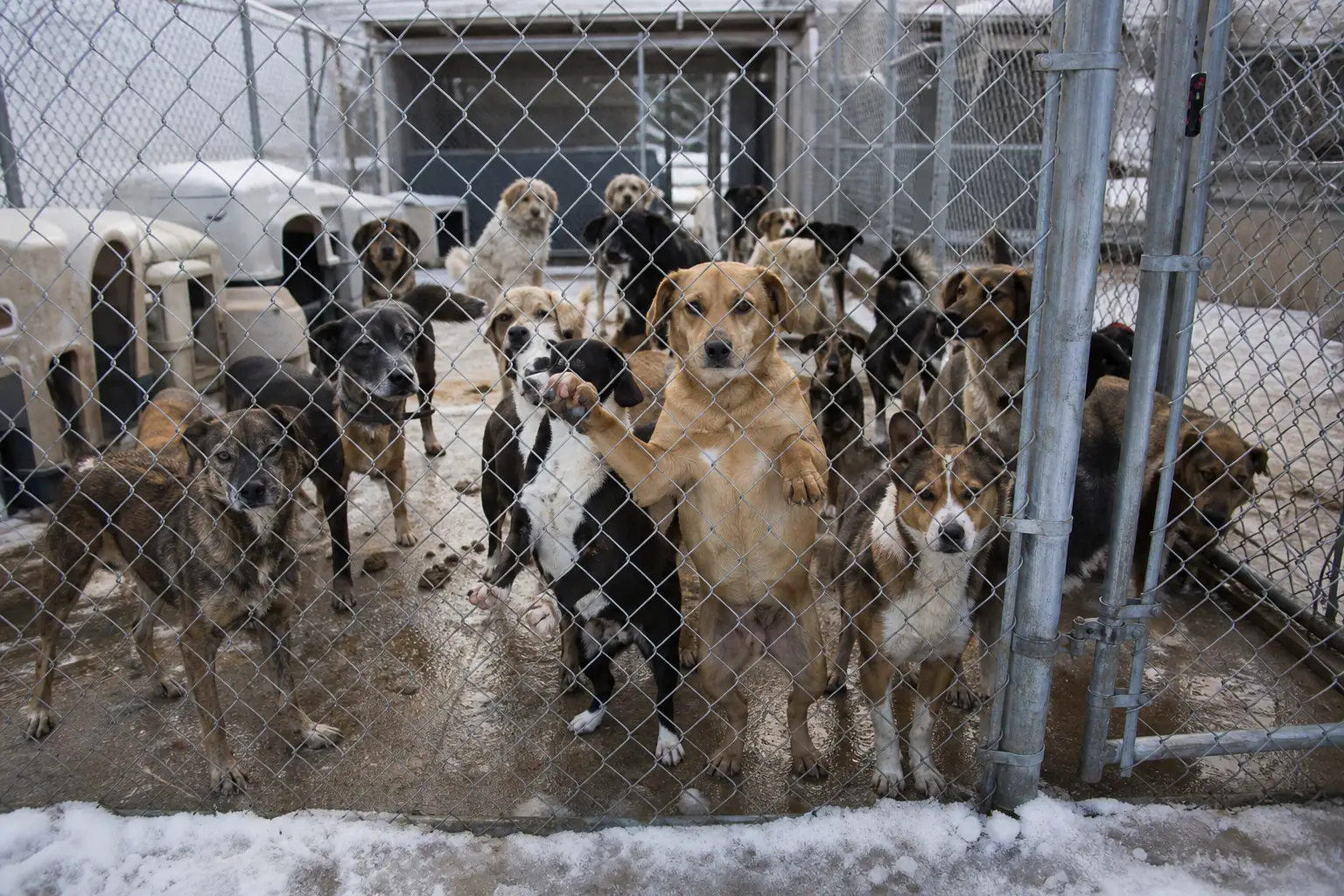
What does this look like in practice? It means having veterinary partnerships in place, pre-arranged transport networks, and staffing plans ready to activate. When a sudden influx of animals arrives (think a hoarding situation or large-scale neglect case), teams that have practiced their response can mobilize within hours instead of days.
This speed matters enormously. Every hour counts when animals are suffering, and faster action means fewer complications, lower medical costs, and better survival rates.
Building these frameworks requires honest assessment of your current capacity. Which veterinary clinics will accept emergency cases at short notice? What’s your actual transport capability? Can your team operate a 24-hour helpline if needed? These questions aren’t comfortable to answer, but addressing them proactively transforms reactive scrambling into strategic response.
Pre-positioned resources also matter significantly. Stockpiling medical supplies, emergency medications, and food reserves means you’re not scrambling for basics when crisis strikes. Organizations following comprehensive emergency response protocols find that advance preparation actually reduces overall costs because you’re buying supplies at normal prices rather than emergency prices.
Leveraging crisis moments to secure funding and resources for expanded rescue operations
Here’s the hard truth: people donate when they see urgent need. A single animal facing life-or-death surgery generates more donor response than annual operating fund campaigns. This isn’t cynical. It’s simply how human psychology works, and smart organizations harness this reality to build sustainable programs.
The key is connecting immediate crisis funding to long-term capacity building. When a puppy needs emergency surgery, donors aren’t just saving that one animal. They’re funding the veterinary equipment, trained staff, and protocols that help the next hundred animals in crisis. Each emergency case becomes a teaching moment, a fundraising opportunity, and a demonstration of your organization’s expertise.
Successful rescue operations don’t treat crisis donations as separate from operational funding. Instead, they show donors how emergency cases reveal gaps in capacity. A surge in infectious disease cases highlights the need for isolation facilities.
A spike in injured strays points to the necessity of mobile response units. Each crisis creates a narrative for expansion that donors understand viscerally.
The most effective approach involves building corporate partnerships that provide flexible funding streams. Corporate sponsors committed to your mission understand that emergencies are unpredictable. They’re willing to fund rapid-response programs because these demonstrate organizational excellence and community trust.
Creating policy windows: How organizations influence legislation during periods of heightened public concern
Major animal welfare crises create rare moments when policymakers and the public suddenly care deeply about animal protection. These windows close quickly, but they’re powerful opportunities for legislative change. Organizations positioned to act during these moments can influence regulations that benefit animals for decades.
Consider what typically happens: a neglect case makes local news. Public outrage spikes. Suddenly, local government is receptive to stronger animal welfare standards, better enforcement mechanisms, or increased animal control funding. The organization that’s already drafted model ordinances, cultivated relationships with city council members, and prepared public testimony can turn that moment into concrete policy wins.
This requires organizational infrastructure most rescues don’t think about in advance. You need policy staff or volunteers who understand legislative processes. You need data showing how current regulations fail animals. You need relationships with local elected officials built during calm periods so you can mobilize quickly when crisis arrives.
The shift from rescue-only focus to advocacy during crises multiplies your impact exponentially. While you’re saving the animals in front of you through emergency response funding, your policy efforts prevent future emergencies. Organizations like Without Voices understand this duality. Every emergency case generates media attention that can be channeled toward legislative advocacy, enforcement improvements, or systemic change in how communities approach animal welfare.
Case Studies: From Emergency Response to Systemic Transformation
Wildlife crises that prompted habitat protection and conservation law updates
When a wildlife crisis hits the headlines, public attention surges. The spotted owl controversy of the 1990s forced timber companies to confront the reality that short-term logging profits couldn’t trump species survival. That crisis became the catalyst for the Northwest Forest Plan, reshaping how millions of acres of public land would be managed for decades.
But the transformation didn’t stop at policy. Scientific understanding deepened. Conservation organizations that previously worked in isolation began collaborating. Funding models shifted from reactive rescue to proactive habitat restoration. The crisis revealed a system-wide vulnerability, and that vulnerability became the leverage point for systemic change.
Consider how wildfire emergencies in recent years have sparked unprecedented investment in ecosystem resilience. When habitats burn at catastrophic rates, wildlife agencies face impossible choices. Those impossible moments created space for bold ideas: prescribed burns, corridor protection, and wildlife crossing infrastructure that would have been dismissed as too expensive just years earlier. Crises have a way of rewriting what seems “realistic” in budget meetings.
The key insight here is that individual animals suffering or species on the brink don’t automatically drive change alone. But when those crises accumulate visibility, they create political will. They expose the gap between what we’re currently doing and what science tells us actually works. That gap becomes an opportunity to rebuild.
Factory farming exposés leading to corporate animal welfare commitments and supply chain reforms
Investigative footage from factory farms doesn’t exist in isolation. It surfaces, creates public outrage, and then quietly fades from news cycles. Unless activists and organizations convert that emotional moment into structural pressure.
When major corporations began publicly committing to cage-free eggs or antibiotic-free meat standards, those weren’t voluntary acts of conscience. They were responses to sustained crisis moments. Groups like Mercy for Animals documented systemic animal suffering that contradicted corporate brand promises. That contradiction became unbearable in the court of public opinion.
What made these commitments actually matter? Scale. When a single retailer or food service company shifts sourcing standards, supplier networks scramble to comply. Building corporate partnerships requires that same understanding of leverage points. One company’s commitment triggers industry-wide adaptation.
The supply chain reforms that followed didn’t emerge because executives suddenly cared more. They emerged because crisis visibility made the status quo unsustainable. Producers adapted: housing systems changed, veterinary protocols improved, transparency increased. Crisis created the conditions where systemic transformation became cheaper than defending the old system.
Disaster responses that revealed gaps in animal emergency preparedness and sparked infrastructure improvements
Hurricane Katrina wasn’t primarily an animal welfare story. But it became one. Thousands of companion animals left behind in flooded homes exposed a brutal reality: our emergency response systems barely acknowledged animal needs at all. Evacuees refused to leave pets. Rescue operations improvised frantically.
That crisis sparked organizational transformation. Animal welfare groups gained seats at emergency planning tables. FEMA now has formal protocols acknowledging pets in evacuation planning.
Disaster preparedness training now includes animal rescue components. A single catastrophe revealed that fragmented, underfunded animal emergency response wasn’t just sad—it was dangerous to human evacuation efforts too.
More recent examples show how quickly this scales. During the Australian bushfires, organizations learned that wildlife rehabilitation infrastructure couldn’t absorb trauma at that scale. The crisis revealed capacity gaps.
Now, those gaps are being addressed through dedicated funding streams and pre-positioned equipment. When a crisis exposes vulnerability, it becomes justifiable to invest heavily in prevention and preparedness.
Without Voices has witnessed this firsthand. Cases like “Help Save This Brave Little Puppy – Urgent Eye Surgery Needed” demonstrate that individual animal emergencies, when properly documented and shared, motivate broader systemic thinking about veterinary access and emergency animal donations. Each crisis response becomes data for building better systems.
The pattern across all three domains is consistent: crisis creates visibility, visibility builds political will, political will enables resource reallocation, and resource reallocation becomes infrastructure. The animals suffering in any given moment become the reason the next crisis affects fewer individuals. That’s how emergencies become turning points.
Building Organizational Capacity to Seize Opportunities
Training staff and volunteers for surge capacity during critical periods
When a crisis hits, your organization’s response speed depends entirely on whether your team is prepared to handle it. Most animal rescue operations run lean, which means staff and volunteers wear multiple hats on any given day. But crises don’t respect normal staffing levels, and that’s precisely why organizations that invest in surge capacity training come out ahead.
The reality is straightforward: you need people trained and ready before the emergency arrives. This doesn’t mean hiring extra staff permanently (most budgets can’t absorb that). Instead, it means developing a tiered volunteer system where different skill levels can contribute meaningfully when pressure peaks.
Some volunteers might handle intake and assessment. Others focus on basic care, medical record management, or community communication. When you’ve already mapped these roles and conducted training drills, the difference between chaos and coordinated response becomes obvious.
Consider the practical setup. Create detailed standard operating procedures for each role, so when surge capacity kicks in, new people can step in without requiring constant supervision. Run quarterly training sessions even during slow periods. Include hands-on practice with intake protocols, basic medical assistance, and how to stay calm under pressure. When eye surgery cases arrive needing specialized handling, your team already knows the documentation and care protocols required.
The hardest part? Keeping volunteers engaged during periods when you don’t need surge capacity. One effective approach is rotating volunteers through different departments, so they build broader skills while staying connected to the mission. Recognition matters too. When someone answers the call during a crisis, acknowledge that contribution publicly and meaningfully.
Developing partnerships with government agencies and veterinary networks before crises emerge
Building relationships during calm periods is the foundation for crisis effectiveness. When an emergency strikes, you don’t have time to introduce yourself to local veterinary clinics, animal control, or state agencies. Those relationships either exist or they don’t.
Start by mapping your local veterinary ecosystem. Identify clinics within your service area, understand their capacity and specialties, and establish mutual aid agreements before you need them. A veterinary practice might agree to prioritize your emergency cases during high-volume periods in exchange for referrals during their slower seasons. These aren’t formal contracts (though they can be), just clear understandings about how you’ll work together.
Government partnerships require similar groundwork. Local animal control agencies, health departments, and emergency management offices all have roles to play during large-scale animal incidents. Having worked with building corporate partnerships shows how institutional relationships unlock resources unavailable otherwise. When officials already know your organization’s competence and track record, they’re more likely to call you when crises hit.
This also extends to other rescue organizations. A network of animal welfare groups working collaboratively means shared resources, shared knowledge, and the ability to move animals between facilities when one organization reaches capacity. A single crisis can overwhelm a single rescue, but a coordinated response distributes the burden.
Documentation and data collection: Turning crisis incidents into evidence for advocacy and policy change
Every crisis generates data. The question is whether you’re capturing it intentionally or letting valuable insights slip away in the chaos.
Develop standardized intake and treatment documentation forms specific to crisis situations. Track not just the animals coming through your doors, but the circumstances that brought them in. What types of injuries or conditions appear during specific crises?
How many animals needed intervention? What treatments proved most effective? What resources ran short?
This data becomes your evidence base for future advocacy and policy recommendations.
When you examine cases like bella’s rehabilitation journey, you’re capturing real-world examples of why certain interventions work. But individual stories need systemic context. If a cold snap reveals chronic homelessness among community animals, that’s a policy conversation waiting to happen. If your crisis response shows local veterinary capacity is insufficient, that data supports applications for emergency animal donations and supports conversations with local government about funding animal welfare infrastructure.
Create a post-crisis review process where your team analyzes what worked, what didn’t, and what the data revealed. Did you need more medical supplies? More volunteer capacity? Better coordination protocols? Document these findings and use them to strengthen your organizational playbook for the next crisis.
The organizations that transform crises into lasting change aren’t the ones with the most resources at the moment of emergency. They’re the ones that systematically prepared beforehand, built their networks intentionally, and captured the lessons from each crisis to build better systems for the next one.
Sustaining Momentum: From Crisis Response to Permanent Progress
Maintaining public engagement after immediate crisis resolution
The moment a crisis headlines fade from social media and news cycles, organizations face their most vulnerable window. Donor attention shifts. Volunteer energy dries up.
The very urgency that mobilized hundreds suddenly evaporates, leaving rescue teams scrambling to sustain the momentum they’ve built. Yet this is precisely when maintaining engagement becomes critical to turning crisis response into permanent progress.
Public engagement doesn’t need to stay at crisis-level intensity to remain effective. Instead, it should evolve. After an emergency resolves (a severe weather event affecting shelter operations, a disease outbreak, or a mass surrender scenario), organizations that succeed shift their narrative from urgent plea to outcome story.
They show people what their donations accomplished. They introduce supporters to individual animals whose lives changed because of collective action. They celebrate milestones that wouldn’t exist without the crisis response.
Transparency matters enormously here. Share monthly updates about how emergency funds are being used. Document the recovery process.
When donors see that their $50 emergency contribution led to a puppy receiving surgery, or their $200 donation helped establish a temporary shelter during a crisis, they become long-term advocates rather than one-time responders. This isn’t about guilt-tripping. It’s about completing the story they helped start.
Converting short-term funding surges into enduring institutional support
Crisis funding operates differently than annual development revenue. It arrives in waves, often concentrated within weeks of emergency announcement. Rescue organizations that successfully convert these surges into sustained support do something counterintuitive: they invest crisis money into permanent infrastructure rather than simply spending it on immediate needs.
A wildfire forces temporary animal evacuation. Organizations scrambling to house hundreds of displaced pets suddenly receive $50,000 in emergency donations. The obvious choice is using that money for immediate shelter costs. But savvy organizations use a portion to install permanent climate control systems, upgrade housing capacity, and invest in veterinary equipment upgrades that benefit animals long after the crisis ends. They’re transforming temporary money into permanent assets.
This approach requires planning. When crisis funding arrives, leadership should immediately ask: what infrastructure gap does this crisis reveal? What equipment would we acquire if we had unlimited resources?
Strategic investment during high-donation periods creates capacity that sustains programs during slower fundraising seasons. A surge-funded facility upgrade becomes the foundation for year-round improved animal care.
Building corporate relationships during crisis response creates another revenue stream. Companies that respond to emergency appeals often become recurring partners. Approaching them about supporting ongoing programs, seasonal initiatives like a winter food supply, or capital projects transforms one-time emergency giving into predictable institutional support. The crisis opened the door. Strategic follow-up keeps it open.
Measuring and communicating outcomes to ensure crises translate into measurable welfare improvements
Here’s what separates organizations that use crises as true turning points from those that simply survive them: rigorous outcome measurement. You can’t claim lasting impact without data proving it.
Before crisis response begins, establish baseline metrics. How many animals can your facility currently accommodate? What are average treatment timelines?
What percentage of animals achieve successful placement? Once emergency response concludes, measure those same metrics again. Document improvement.
If a crisis forced facility expansion that increased capacity by 30%, that’s worth communicating. If emergency funding for medical supplies reduced average treatment time by two weeks, quantify it.
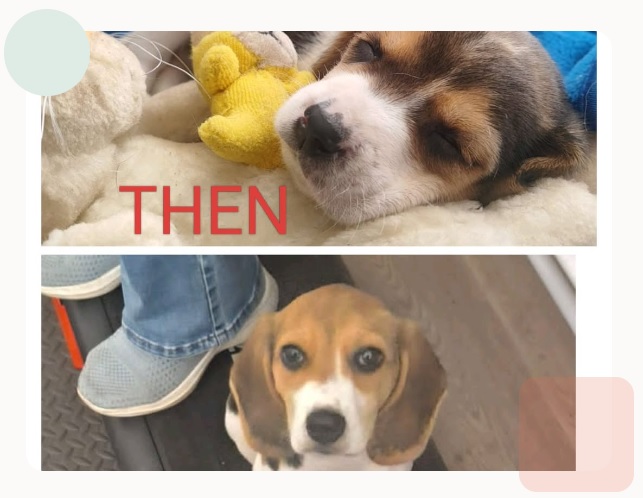
Case outcomes tell the human side of this story. Programs like those documented in tiny’s journey demonstrate how crisis funding translates into tangible welfare improvements. Share similar stories. Name animals. Show before-and-after situations. Help supporters understand not just that you responded to a crisis, but that this response created permanent welfare gains.
Communication should reach beyond your existing audience. Present findings to local government, veterinary schools, and other rescue organizations. Publish reports.
Submit outcomes data to industry publications. Demonstrate that your crisis response generated insights and improvements applicable beyond your organization. This positions your organization as a leader in emergency response thinking, attracting future funding and partnerships.
The animals in your care deserve more than temporary rescue. They deserve systems built to prevent future crises and respond more effectively when they occur. Every emergency your organization navigates represents a choice: treat it as a disaster to survive, or as an opportunity to strengthen animal welfare infrastructure permanently.
The measurement, the communication, the strategic reinvestment of crisis funding into lasting capacity—these are what transform a moment of crisis into a turning point that protects animals for years to come. The choice, ultimately, is yours.
Related Posts
- Tiny Finds Her Forever Home
- Building Corporate Partnerships for Large Scale Animal Emergency Relief Operations
- Emergency Response Protocols When Animal Rescue Donations Are Critically Needed
- Help Save This Brave Little Puppy – Urgent Eye Surgery Needed
- Why We Focus on Emergency Response Funding for Animals in Crisis