Understanding the September Surge in Animal Rescues
Every September, animal rescue organizations across the country brace themselves for an influx that stretches their resources thin. It’s not random. It’s predictable. And it’s one of the most critical times when rescue operations genuinely need community support to keep their doors open and their animals safe.
The reality is this: September marks the beginning of a seasonal crisis that animal welfare professionals have tracked for years. Shelters and rescue networks see their intake numbers spike dramatically, kennels fill beyond capacity, and staff members—already operating on limited budgets—find themselves working longer hours just to keep up. Understanding why this happens, and what happens to animals caught in the system during these months, is essential if you want to know why your support matters so deeply right now.
Why fall months create a spike in shelter admissions
September doesn’t just bring cooler weather and back-to-school season. It brings a surge in animal surrenders and strays that overwhelms rescue infrastructure. Several factors collide at once.
Families return from summer vacations and realize they can’t manage their pets. People moving for work during fall transition cycles abandon animals they can’t take with them. School schedules change, and parents who thought they could handle pet care realize they can’t juggle kids’ activities and animal responsibilities.
The numbers are significant. Many regional shelters report 20-40% increases in intake during September compared to earlier summer months. That’s not a marginal uptick.
That’s the difference between manageable operations and crisis-level staffing challenges. And when you’re running a nonprofit rescue organization already operating on donations and volunteer hours, a 40% surge in admissions can mean the difference between providing quality care and simply surviving.
Beyond surrenders, stray animal intakes climb sharply too. Breeding seasons that peaked in summer mean more roaming animals. Abandoned litters appear more frequently as people decide they don’t want to deal with caring for unexpected puppies or kittens. Each stray brought to a rescue center requires medical assessment, behavioral evaluation, and housing—all expensive, all time-intensive, and all happening simultaneously across dozens or hundreds of animals.
The lifecycle of animal abandonment and surrender patterns
When an animal enters a rescue organization during intake overload, their journey through the system becomes vastly more complicated. Most people don’t understand what actually happens behind the scenes when they drop off a pet or when a stray is picked up. The process is far more involved than just placing the animal in a cage.
First comes intake assessment. A behavioral specialist (if the rescue has one during peak season) evaluates the animal’s temperament, any signs of abuse or neglect, medical needs, and adoptability potential. This alone requires time and expertise.
Animals coming in during September often show signs of stress, malnutrition, or trauma. Understanding whether an animal is showing behavioral problems due to abuse, fear, or simply overwhelming circumstances requires careful, trauma-informed assessment.
Next comes medical care. Every animal needs a health examination, vaccinations, parasite treatment, and sometimes emergency care. During intake overload, this veterinary pipeline backs up. Even straightforward cases take longer when the rescue is handling 30 new animals a day instead of 10. And for animals showing signs of past abuse or neglect, proper emergency response protocols become absolutely critical to their recovery and socialization.
After medical clearance comes socialization and behavior work. Animals need time in foster homes, space to decompress, and patient handling from trained staff. During September surge, this critical step gets compressed.
Rescues have fewer foster homes available (foster burnout is real), less staff time for one-on-one work, and more animals waiting for placement. This creates a domino effect that impacts animal welfare for weeks.
How weather and seasonal changes impact rescue operations
September’s weather patterns create operational challenges that go beyond simple temperature changes. Heat stress during early September affects animals still vulnerable to summer conditions, particularly senior animals or those with health issues. Simultaneously, many regions experience unpredictable weather transitions—sudden cold snaps, storms, or humidity spikes—that destabilize animals already stressed from intake processing.
Rescue facilities also face increased operational costs during seasonal shifts. Heating and cooling demands fluctuate. Animals stressed by weather transitions require more veterinary attention. Shelter capacity becomes a critical issue when outdoor spaces become less functional and indoor housing reaches maximum density.
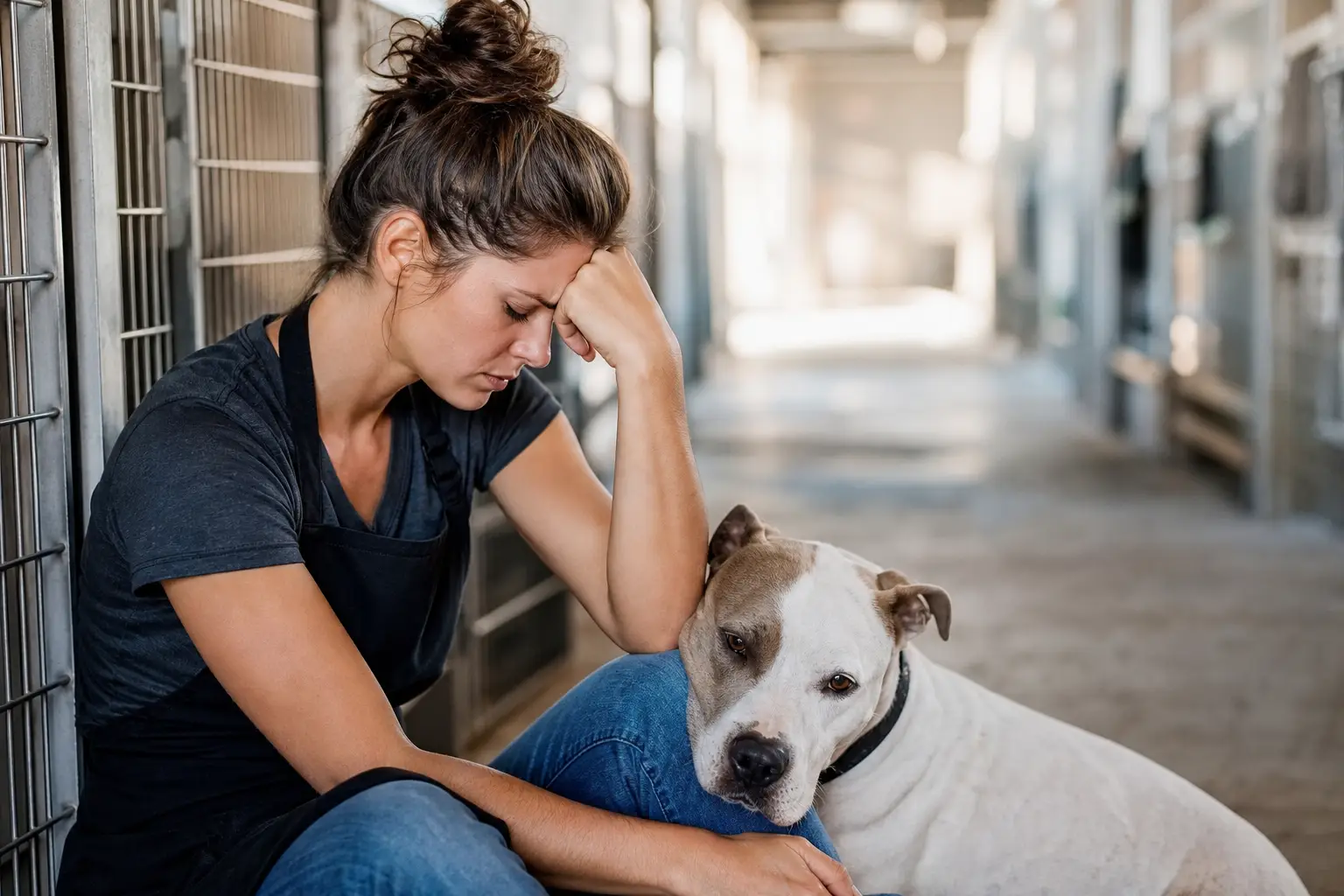
Staff burnout accelerates during these months too. When intake surges collide with seasonal weather stress and limited resources, rescue workers experience compassion fatigue. They’re making impossible choices about which animals get attention first, knowing some will wait longer for care. This burnout affects organizational stability and quality of care for every single animal in the facility.
The Real Costs Behind Managing Intake Overload
Medical care and emergency veterinary expenses
When rescue organizations face intake overload during September, veterinary costs become the single largest budget drain. A dog arriving with untreated wounds, a cat recovering from malnutrition, a rabbit with respiratory infection—each requires immediate medical intervention. These aren’t routine checkups. These are emergency-level treatments that can’t be delayed.
Consider the real numbers: a single surgical procedure for a traumatized animal can run $1,500 to $4,000. Dental extractions, fracture repairs, spay/neuter surgeries for intake animals, diagnostic imaging, bloodwork—it all accumulates fast. When a rescue takes in 20, 30, or 50 animals in a single week during peak season, the veterinary bills stack into the tens of thousands. Many of these animals arrive in crisis conditions requiring immediate care before they can even be housed safely.
Emergency medications add another layer of expense. Antibiotics for infected wounds, pain management for abused or injured animals, IV fluids for dehydrated rescues, specialized diets for animals with health complications. A trauma-informed approach to animal care means addressing not just physical injuries but also the stress-related health impacts of rescue itself. That comprehensive medical response costs real money, and budgets stretch thin when volume spikes unexpectedly.
The challenge deepens when rescue organizations must coordinate with multiple veterinary clinics and emergency hospitals across their region. Not every facility can absorb surge capacity. Some animals wait longer for non-emergency procedures, which means ongoing medication costs, extended housing needs, and increased risk of secondary health complications. Without dedicated emergency animal donations, many rescues face impossible choices about which animals receive immediate care and which must wait.
Staffing challenges when volume exceeds capacity
Intake overload doesn’t just mean more animals to care for. It means burnout accelerates across your entire team. Rescue professionals—the people who work directly with animals, manage logistics, coordinate adoptions, and keep operations running—face emotional and physical exhaustion during peak periods. September surge means double the workload on staff already stretched thin from summer operations.
Most animal rescues operate with lean teams. A single intake coordinator might process 15-20 animals in a normal week, handling intake assessments, behavioral evaluations, medical history gathering, and data entry. During surge periods, that same person processes 40-50 animals. They’re not getting additional hours; they’re working faster, making more decisions under pressure, and carrying more stress home each evening.
Burnout in animal rescue isn’t hypothetical. Staff turnover in this sector runs high—sometimes 30-40% annually at understaffed organizations. That turnover costs money (recruitment, training, lost institutional knowledge) and creates knowledge gaps that compromise animal welfare. When your experienced intake coordinator quits because they’re overwhelmed, the animals suffer because the new hire doesn’t yet understand trauma-informed protocols or recognize signs of serious behavioral issues.
Addressing staffing challenges during intake surge requires either temporary staffing support or compensating existing staff for additional hours. Both drain emergency budgets. Some rescues bring in volunteers during surge periods, but volunteer coordination itself requires staff time. Building coalitions with other local rescues or recruiting emergency support from corporate partners through corporate partnerships can help, but those relationships take months to develop before they’re useful during crisis.
Infrastructure strain: housing, feeding, and facility maintenance
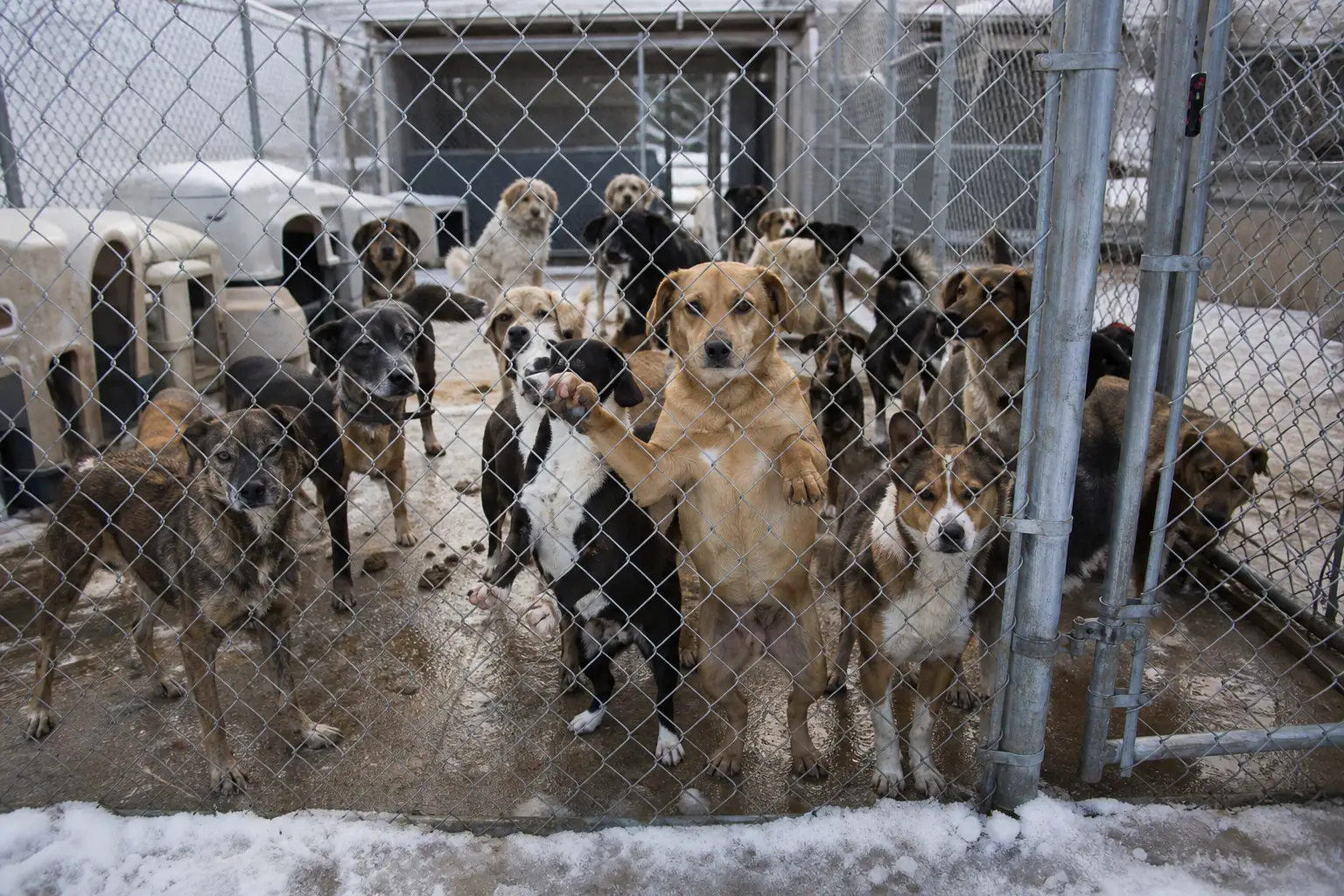
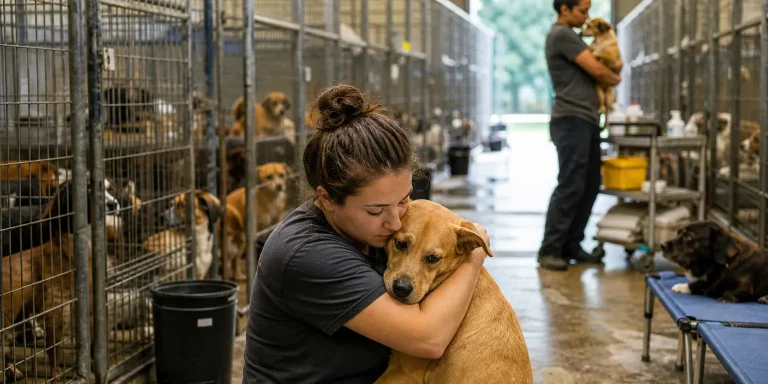
Rescue facilities designed for 30-40 animals don’t function well when 70-80 animals arrive within days. Kennel space runs out. Cage rotation becomes chaotic. Food consumption doubles or triples, straining food budgets and storage capacity. Cleaning protocols slip under time pressure, increasing disease transmission risk among vulnerable populations.
Housing needs vary dramatically. Some animals require isolation due to illness or behavioral concerns. Others need climate-controlled space, specialized bedding, or separate accommodation from certain species.
Intake overload forces compromises that would never happen under normal circumstances. Animals shelter in temporary spaces. Facility maintenance gets deferred.
Equipment wears out faster under intensive use.
Feeding costs alone tell the story. Quality nutrition isn’t cheap, especially for animals with medical issues requiring specialized diets. A rescue feeding 30 animals might budget $300-400 monthly for food.
Double the population, and that’s $600-800 monthly in additional food expense. Add cleaning supplies, waste disposal, utilities for expanded housing, and facility wear-and-tear, and infrastructure costs surge dramatically during peak intake periods.
The real cost extends beyond monthly supplies. Facility upgrades needed to handle increased capacity require capital investment: additional kennels, expanded climate control, better water systems, improved waste management. Most rescue organizations operate month-to-month on donations, making infrastructure investment nearly impossible without dedicated funding support through emergency response protocols.
How Rescue Organizations Prioritize Care During Peak Periods
Triage protocols for incoming animals with critical needs
When animals arrive at a rescue facility during peak intake periods, every minute counts. Staff and volunteers implement rapid assessment systems that determine which animals receive immediate medical attention and which can wait for routine care. This isn’t callous decision-making, it’s survival-focused prioritization that keeps the most vulnerable animals alive.
The first checkpoint happens at intake itself. Medical professionals conduct a quick but thorough evaluation looking for signs of life-threatening conditions: severe bleeding, difficulty breathing, signs of poisoning, extreme dehydration, or critical injuries. An animal showing any of these symptoms moves directly to the medical suite.
Those with moderate injuries or illnesses go into a secondary queue. Animals arriving in stable condition but needing routine vaccinations or behavioral assessment fill the lower-priority list.
Most rescues use color-coded or numbered systems to track urgency levels. Red or Code 1 means immediate life-saving intervention required. Yellow or Code 2 indicates the animal needs medical care but can wait a few hours. Green or Code 3 represents stable animals requiring preventive care. This framework prevents overlooking critical cases in the chaos of high-volume intake. During September, when rescue organizations are managing emergency response funding situations, these protocols become even more essential for allocating stretched resources effectively.
Veterinary staff work in shifts during peak periods, ensuring someone is always available to reassess animals and move them between priority tiers as their conditions change. An animal that seemed stable at midnight might spike a fever by morning, requiring immediate attention. These triage systems allow organizations to adapt quickly when situations shift.
Balancing individual attention with volume constraints
Here’s the uncomfortable truth: during intake overload, no rescue can give every animal the personalized attention it deserves. The gap between ideal care and what’s actually possible weighs heavily on staff. Every rescued animal has experienced trauma, abandonment, or neglect, and many arrive frightened, sick, or aggressive. They need time, patience, and individualized behavioral assessment.
Yet when a rescue intake doubles or triples, staff can’t magically multiply. Volunteers who normally spend an hour with each new arrival might manage only 15 minutes. Dogs that would typically spend weeks in a calm evaluation environment may find themselves in crowded kennels. Cats showing signs of stress-related illness get medication instead of the quiet, single housing they’d benefit from most.
Smart rescue organizations tackle this through strategic task allocation. Instead of asking each staff member to handle everything from medical care to behavior assessment to adoption matching, they segment responsibilities. Experienced volunteers focus on traumatized animals needing calm handling.
Certified behaviorists evaluate dogs showing aggression or fear. Veterinary techs manage medical protocols. This specialization isn’t perfect, but it ensures expertise reaches animals who need it most.
Many rescues also implement temporary foster programs during September surges, moving stable, adoptable animals into homes to free up facility space and reduce stress for more vulnerable residents. A foster network that’s actively engaged makes the difference between animals getting enrichment or slowly declining in kennel environments.
Coordinating between rescue partners to distribute burden
No rescue operates in isolation, and the smartest organizations lean heavily on their networks. Regional rescue coalitions, breed-specific groups, and animal welfare partnerships create safety nets that prevent any single organization from drowning during peak periods. When one rescue hits capacity, they coordinate transfers to partners with available space.
This coordination requires trust, communication systems, and pre-established relationships. Rescues that spend months building strong connections with partner organizations before September arrives can move animals between locations efficiently. A shelter in one county that’s completely full can transfer animals to a partner nonprofit two counties away that still has kennels available. Specialized rescues (for senior dogs, medical cases, or behavioral rehabilitation) take transfers that match their expertise.
Regional coalitions also share resources beyond just animal placement. They coordinate volunteer training, loan equipment like extra crates or medical supplies, and share veterinary contacts who can provide discounted emergency services. Some larger organizations like those managing denver dog rescue initiatives have mentorship roles, advising smaller rescues on intake protocols and burnout prevention for staff.
This network-based approach transforms individual struggle into collective resilience. When rescues understand they’re part of something larger, and that asking for help strengthens the entire system, more animals survive September. The collaboration that happens during peak periods often builds lasting partnerships that benefit animals year-round.
Concrete Ways You Can Support Rescue Efforts This September
Monetary donations and where they make the greatest impact
Direct financial support remains one of the most flexible and immediately useful forms of help rescue organizations need during September’s intake surge. When animals arrive at overcrowded shelters, the bills don’t wait. Medical evaluations, emergency surgeries, vaccinations, and behavioral assessments all demand resources that stretch thin across intake periods.
Here’s what happens with monetary donations: they get allocated where the need is most acute. A $50 gift covers basic bloodwork for a critically ill animal. $200 funds an emergency spay or neuter surgery that prevents further breeding crisis.
$500 covers a week of specialized foster care for an injured or traumatized animal. These aren’t arbitrary numbers; they represent the actual operational costs rescue teams face when intake doubles or triples in a single month.
What makes monetary support particularly valuable during peak periods is the decision-making flexibility it provides. When rescue coordinators face a choice between treating an infected wound or boarding an extra animal for another week, cash donations let them address both without compromise. Unlike restricted donations, unrestricted funds move where the damage is greatest on any given day.
The most impactful donations go toward emergency animal donations that address immediate medical crises. Organizations like those supporting cases documented in our rescue success stories rely on rapid financial response to fund surgeries and critical interventions. Even modest gifts compound when multiplied across a month of operations.
In-kind contributions: supplies, food, and medical materials
Donated goods solve a specific logistics problem for rescue operations: supply chain gaps that open up during high-volume intake periods. When twenty new animals arrive in a single week, the food inventory gets depleted faster than usual. Medical supply closets empty. Cleaning supplies run short. These aren’t glamorous needs, but they’re fundamental to functioning rescues.
In-kind donations work best when they’re coordinated. A rescue might need 500 pounds of quality dog food more than it needs fifty blankets. High-volume periods reveal specific shortages quickly, which is why reaching out before donating matters. Unopened, unexpired items hold the most value: specialized prescription diets for animals with health issues, medical-grade disinfectant, pain management medications, flea and tick treatments, and sturdy kennels for temporary housing.
Food donations deserve special attention during September. Rescue animals often arrive malnourished or with sensitive digestive systems from stress and poor previous care. They need quality, consistent nutrition during recovery. Bulk donations of premium kibble directly reduce operational spending, freeing funds for veterinary care and behavioral support instead of stretching rescue budgets across basic supplies.
Medical materials represent another critical category. Bandaging supplies, wound care products, and diagnostic tools get consumed rapidly. If your organization has connections to suppliers or access to bulk purchases, these become force multipliers for overwhelmed rescue teams. Many nonprofits managing intake overload would rather receive donated medical supplies than cash earmarked for them, because sourcing during crisis periods takes time they don’t have.
Volunteering your time during high-intake periods
Labor shortages compound intake problems more than almost any other factor. When a rescue brings in thirty animals in September but only has four staff members, the work becomes physically and emotionally unsustainable. Volunteers bridge that gap in ways that matter for both animal welfare and staff burnout prevention.
Skilled volunteering addresses specific operational needs. If you have veterinary training, animal behavior experience, or nonprofit administrative background, rescue organizations need you during peak periods. Dog walking, cat socialization, kennel cleaning, and intake assessment all require hands.
But specialized skills create real multipliers: a volunteer with grant-writing experience can help secure funding. Someone with medical knowledge can assist with triage assessments. Experienced foster coordinators can help place animals in temporary homes faster, opening shelter space.
The commitment matters more during September than other months. A rescue struggling with intake overload needs reliable volunteers who show up on schedule, not occasional help. Two or three shifts per week from dedicated volunteers creates stability that prevents staff burnout and maintains animal care standards when everything feels impossible.
Starting with volunteer work also connects you directly to where money flows and what’s actually needed. You’ll understand why monetary support gets directed to specific areas, and you’ll meet the people doing this work under traumatic circumstances. That human connection often transforms one-time supporters into committed long-term partners for rescue operations building community networks that sustain animals through crisis periods.
Building Long-Term Resilience in Animal Welfare
Why sustained support matters beyond crisis seasons
September brings urgency, but the real challenge for animal welfare organizations isn’t just surviving peak months, it’s building the financial and operational backbone that keeps them functional year-round. When rescue operations rely entirely on emergency funding surges, they’re essentially operating on fumes between crises. The moment fall ends, many organizations face a funding cliff that forces difficult choices: reduce staff hours, delay preventative care, or turn animals away.
Sustained support changes this equation entirely. When donors commit to long-term funding partnerships, rescues can invest in infrastructure that prevents burnout among staff and volunteers. They can hire trainers, behavioral specialists, and veterinary technicians who stay through the slow months. They can implement trauma-informed protocols that actually work because there’s time and resources to do the work properly. A rescue that knows it has reliable monthly support can plan for Septembers instead of just surviving them.
The math is straightforward: a shelter operating month-to-month spends resources on crisis management. A shelter with predictable funding spends those same resources on prevention, education, and community networks that reduce intake at the source. One approach is reactive. The other builds resilience.
Creating foster networks to relieve shelter overcrowding
Foster programs are the unsung infrastructure of effective animal rescue, yet they’re often underfunded and undervalued. A robust foster network can absorb 30-50% of a shelter’s population, freeing up cage space and allowing medical staff to focus on animals needing intensive care. During intake overload, foster networks don’t just help capacity issues, they prevent the traumatization that comes from housing too many animals in confined spaces.
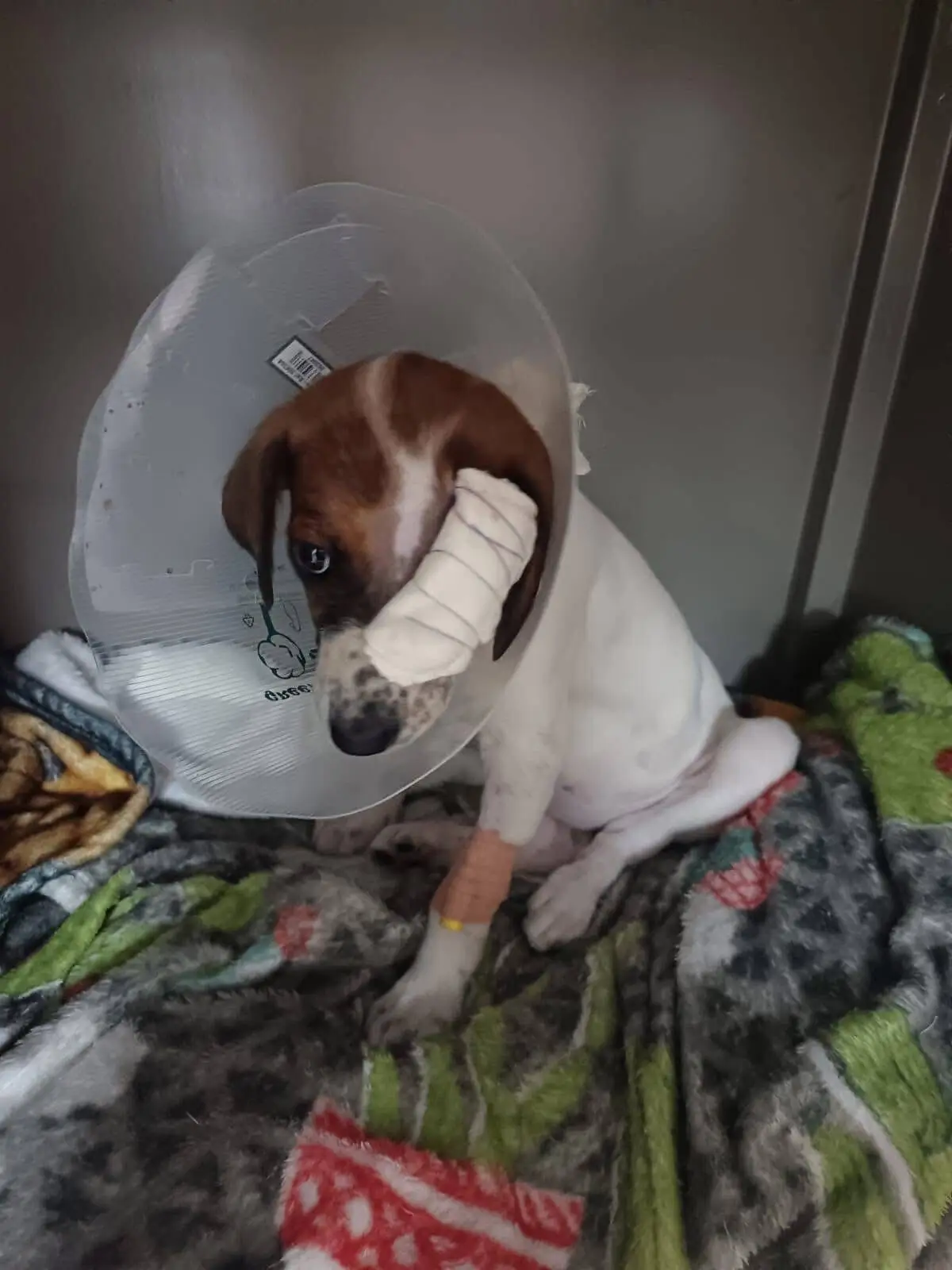
Building sustainable foster programs requires investment. Fosters need veterinary support covered by the organization, ongoing training in handling traumatized animals, and emotional support because foster work is emotionally demanding. Organizations must provide supplies: food, medications, bedding, behavioral resources. They need case management systems to track each animal’s progress. Stories like the journey of this small dog illustrate what becomes possible when foster programs are properly resourced. Tiny received emergency care, then transitioned to a foster home for recovery, then found her forever family. That three-step process requires coordination, funding, and a network of committed people.
The most effective rescue networks treat foster coordination as core operations, not an afterthought. They recruit strategically, provide ongoing support, and maintain relationships with fosters through slow seasons so the network remains intact when September surge hits. This requires consistent funding that volunteers alone cannot provide.
Advocacy opportunities that reduce intake at the source
Here’s what rescues rarely have time to do when they’re in crisis mode: community education and advocacy that prevents animals from entering shelters in the first place. Yet prevention is exponentially more cost-effective than rescue. An animal that never arrives at an overcrowded shelter means resources freed for animals already in care.
Advocacy takes multiple forms. It means funding community behavioral support so people can keep their animals at home instead of surrendering them during financial hardship. It means spay and neuter programs in underserved communities that address population at the source. It means education campaigns about proper animal care, grief support when families face end-of-life decisions, and partnerships with community organizations that understand local barriers to keeping animals safely housed.
Organizations with sustained funding can hire advocacy coordinators and program managers who build coalitions with local. They can track data on intake patterns and address root causes with specificity instead of just responding to symptoms. They can invest in community networks that understand the lived experience of people facing barriers to pet ownership, approaching these networks with genuine respect rather than judgment.
Without Voices understands that emergency response matters intensely in September, but sustainable rescue also means understanding what prevents animals from reaching that emergency point. Supporting animal advocacy isn’t separate from emergency funding, it’s complementary work that reduces the emergency caseload altogether. When you provide sustained support to rescue organizations, you’re funding both the immediate lifeline and the long-term prevention infrastructure that builds real resilience across the entire animal welfare landscape.
Getting Your Community Involved in the Solution
Organizing local fundraising initiatives and awareness campaigns
Community-driven fundraising doesn’t require massive budgets or professional marketing teams. What it requires is people who care about animals and understand the problem. Local fundraising initiatives cut through the noise because they’re personal, they’re visible, and they create momentum that spreads organically through neighborhoods.
Start small. Host a bake sale at a community center, organize a dog walk through your local park, or coordinate a garage sale where proceeds go directly to rescue organizations. These events serve dual purposes: they raise funds and they raise awareness.
Someone who attends a neighborhood dog walk learns about intake overload in a way that no social media post can replicate. They meet the people running rescues. They see the animals.
They become invested in the solution, not just informed about the problem.
Awareness campaigns amplify these efforts. Create simple flyers that explain what happens during the September surge. Host a community conversation (in person or virtual) where rescue leaders talk about what they actually need. Partner with local print shops to donate materials. Use free community bulletin boards, church newsletters, and neighborhood apps to spread the word. When you’re organizing these initiatives using available resources, you’re building credibility alongside visibility.
Partnering with schools and businesses for corporate support
Schools and businesses represent massive untapped networks. A single elementary school might have three hundred families. A mid-sized company could have fifty employees with discretionary budgets. When these institutions align with rescue work, the impact multiplies rapidly.
Schools can organize fundraisers where students learn about animal welfare alongside raising money. A high school might create a donation drive as a service-learning project. Younger students could design posters or write letters to local businesses.
Teachers incorporate rescue operations into curriculum discussions about community needs and nonprofit work. This isn’t just fundraising; it’s building the next generation of animal advocates.
Businesses have different leverage points. Corporate giving programs often match employee donations, instantly doubling what individuals contribute. Some companies will sponsor specific rescue initiatives or donate supplies (food, medical equipment, cleaning materials). Others might offer pro-bono services like accounting, marketing, or facility space. Understanding what each business uniquely offers means building corporate partnerships becomes strategic, not transactional. You’re not just asking for money; you’re inviting businesses to solve a concrete community problem using what they already do well.
How social networks amplify rescue organization reach
Social networks work because they’re built on existing relationships and trust. When someone you know personally shares information about rescue intake overload, you listen differently than when an institution broadcasts the same message.
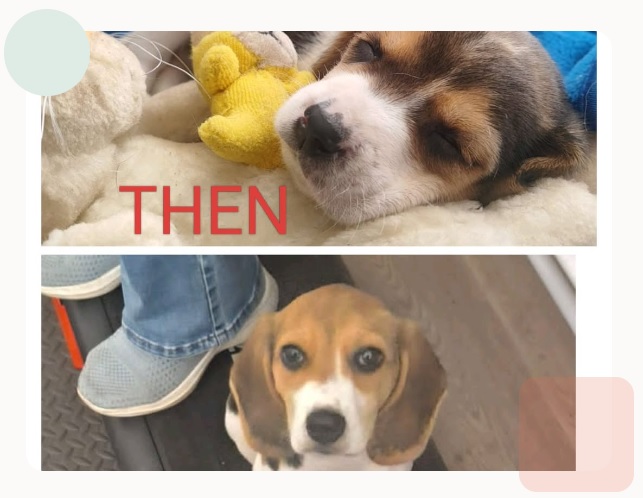
The mechanism is simple: rescuers and supporters create content (photos of animals needing help, updates on successful placements, explanations of operational challenges) and share it authentically. That content reaches their immediate network. Some of those people share it further. Others comment and ask questions, which pushes the post to even broader audiences. Real stories (like watching a small dog and then find her forever) create emotional connection. Emotional connection drives action.
Coordinate social sharing across networks. Ask supporters to tag friends who care about animals. Encourage rescue staff to post behind-the-scenes content showing actual work (not just polished photos, but real intake assessments and care decisions).
Host virtual events where community members join live to hear rescue leaders discuss needs. Hashtags create findability. Regular updates keep momentum going.
The goal isn’t vanity metrics; it’s reaching people who might otherwise never know that local rescues need their help.
Building community involvement isn’t about forcing participation. It’s about creating pathways for people already inclined to help. September brings intake overload every year, and every year communities have the capacity to step up if they understand what’s needed and where their efforts matter most.
Whether through local fundraising, school and business partnerships, or social network amplification, you’re weaving rescue needs into community consciousness. When residents understand that intake overload happens predictably and that they personally can affect outcomes, support transforms from occasional donations into sustained commitment. The animals in your local rescue don’t just need funding this September; they need neighbors who recognize the problem and choose to be part of the solution.
That’s how you turn awareness into lasting impact.
Related Posts
- A Small Dog Named Tiny Needs Emergency Help
- Tiny Receives Treatment at Hillcrest Veterinary Hospital
- Tiny Finds Her Forever Home
- Building Corporate Partnerships for Large Scale Animal Emergency Relief Operations
- Emergency Response Protocols When Animal Rescue Donations Are Critically Needed
- Help Save This Brave Little Puppy – Urgent Eye Surgery Needed
- Why We Focus on Emergency Response Funding for Animals in Crisis