
Understanding Burnout in Animal Rescue Organizations
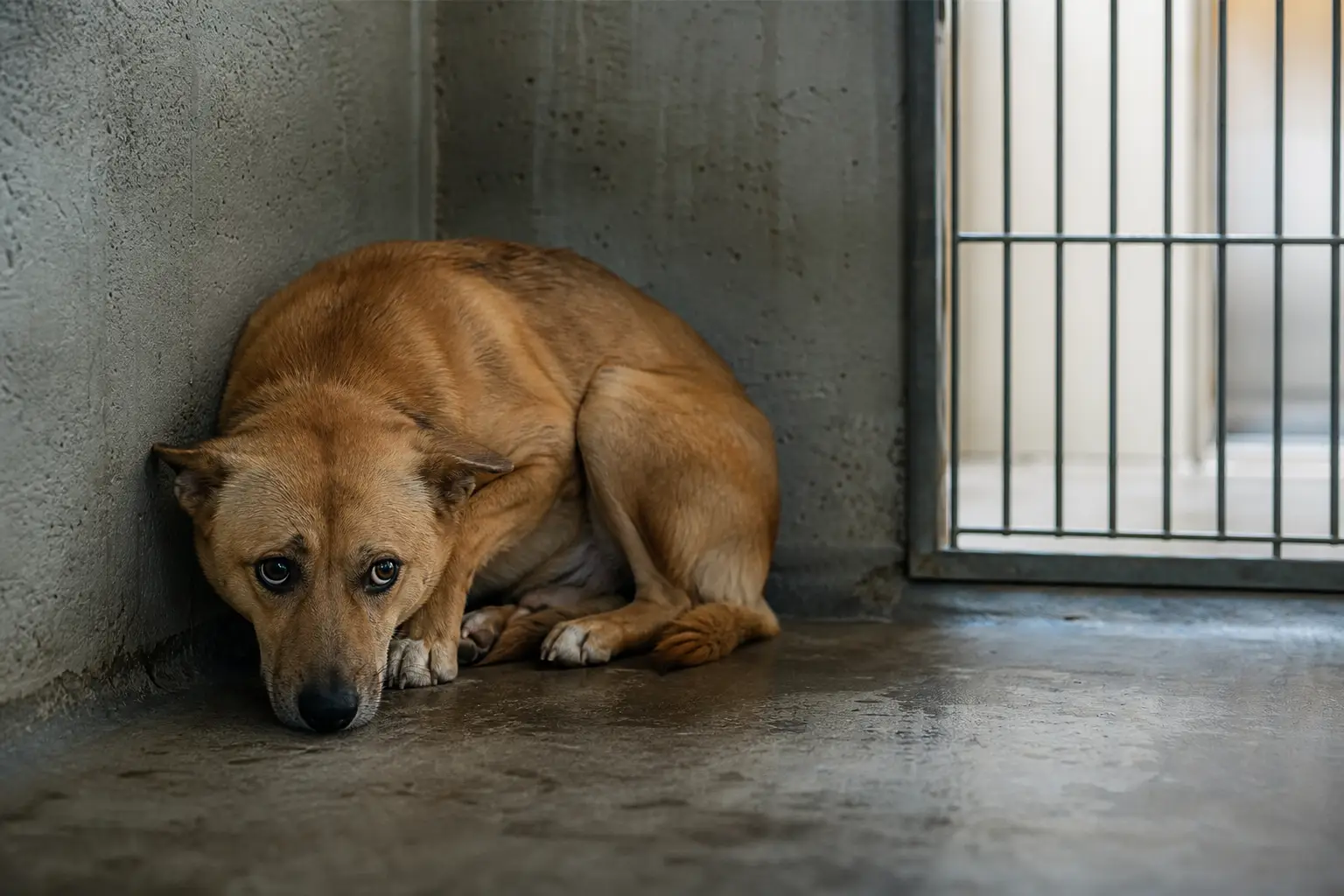
Ask any shelter worker why they left animal rescue, and you’ll hear a pattern that cuts deeper than job dissatisfaction. It’s the moment they realized they were choosing between their own survival and the animals they couldn’t save. That’s burnout in animal rescue, and it’s not something a casual conversation about “work-life balance” is going to fix.
The statistics are sobering. Nonprofit staff turnover rates hover around 20% annually across the sector, but animal welfare organizations see rates closer to 30%. When you’re operating on threadbare budgets and limited staff, even one departure destabilizes everything. The irony is sharp: the people most capable of preventing animal suffering are the ones most likely to burn out trying.
This matters because scaling rescue operations without understanding burnout dynamics doesn’t just damage individual staff members. It fails the animals. Exhausted, demoralized teams make mistakes.
They miss warning signs. They lose the intellectual and emotional energy needed for the complex problem-solving that rescue actually demands. And then the cycle accelerates, because burnout breeds more burnout.
The unique emotional toll of animal welfare work
Animal welfare work carries an emotional weight that most industries will never understand. Your staff isn’t just processing data or managing inventory. They’re holding a frightened dog during intake.
They’re treating injuries inflicted by cruelty. They’re making triage decisions when resources run dry. Every shift contains multiple moments where the weight of suffering becomes personal and impossible to compartmentalize.
Compassion fatigue is the technical term, but that undersells what’s actually happening. Your team experiences what researchers call “secondary trauma” from working with abused animals day after day. A staff member cleans wounds from a dog found starving in an abandoned warehouse, then goes home and can’t eat. Another foster coordinator listens to yet another heartbreaking backstory during intake, and something inside them fractures a little more.
Unlike other nonprofit sectors, animal welfare workers can’t create psychological distance by reframing suffering as abstract. A child in crisis is important, yes, but most social workers never personally change that child’s diaper or wipe their tears. Animal rescue staff do the physical caregiving.
They develop attachments. They witness individual animal personalities unfold over weeks of recovery. Then they have to let go when adoption happens, knowing it might not be permanent.
That’s not just sad. That’s systemically destabilizing.
How rapid scaling amplifies existing staff challenges
Growth looks like success, so animal nonprofits celebrate when rescues suddenly increase. More animals saved sounds objectively good. But without intentional systems in place, rapid scaling turns manageable challenges into organizational crises.
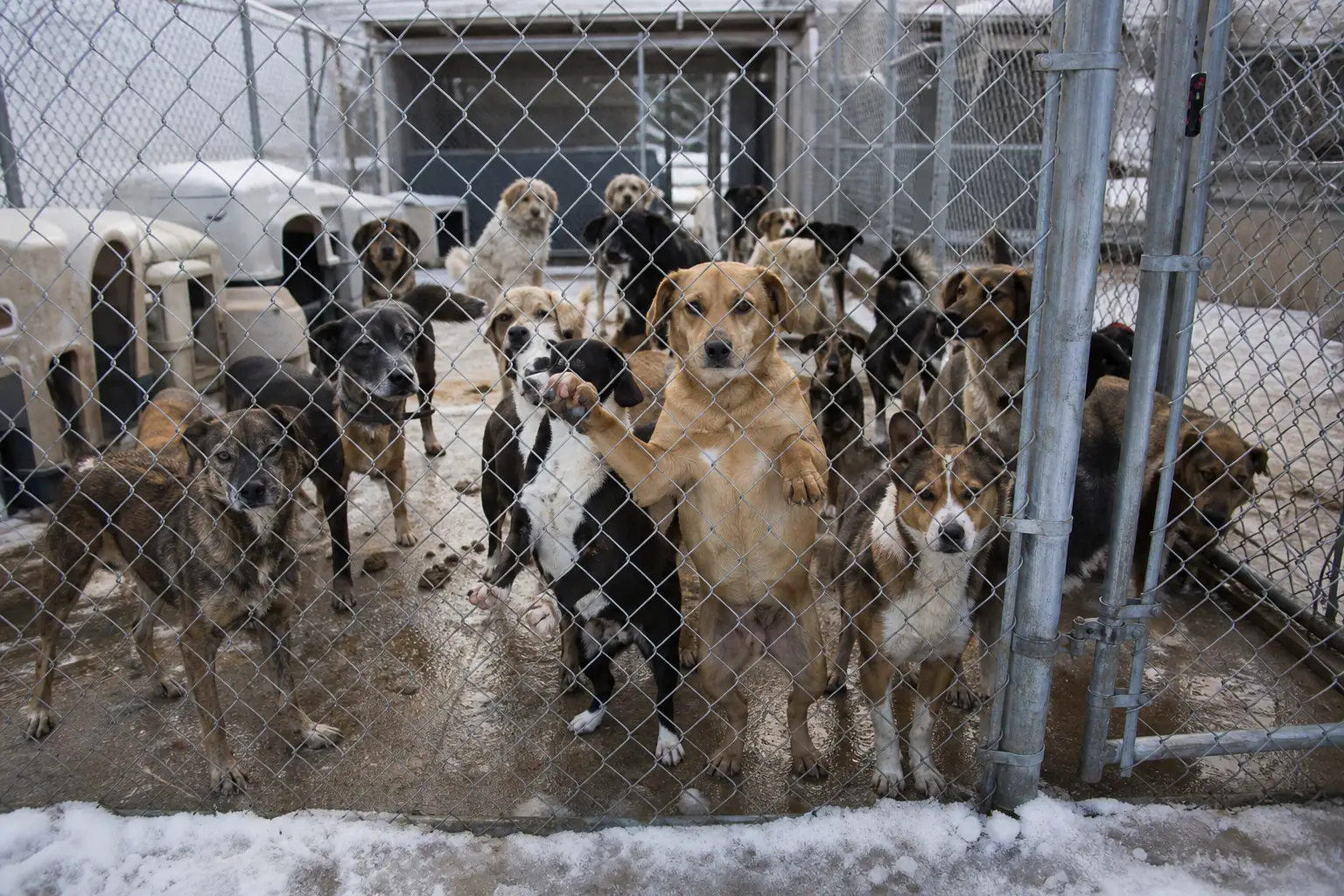
Your team was operating at 80% capacity handling 50 animals per month. Then a warehouse housing 200 neglected dogs gets seized, and suddenly you’re responsible for 250 intakes. The infrastructure doesn’t magically expand.
The same four people who were already stretched thin now work 14-hour shifts. Protocols get abandoned because there’s no time. Training evaporates.
Quality of life for the animals actually decreases even though the rescue numbers sound better in a grant proposal.
Staff watch rescue capacity mushroom while their own support systems vanish. Mentoring disappears. Team communication breaks down. The seasoned team members who could have guided newer staff are now drowning in basic operations. This is when mistakes happen, when animal care suffers, and when your best people start updating their resumes.
Understanding how september shelters enter matters because it reveals the predictable pattern. You can anticipate these pressure points. You can build buffer capacity. Or you can ignore the pattern and watch your organization implode under its own success.
Common burnout triggers specific to rescue operations
Animal rescue burnout doesn’t follow the generic nonprofit script. The triggers are specific, predictable, and preventable if you know what to watch for.
- Impossible triage decisions: When intake exceeds capacity, staff must choose which animals get treatment and which don’t. Watching an animal suffer or die because resources ran out destroys morale in ways that no organizational restructuring can fix.
- Chronic underfunding: The reality is that most animal nonprofits operate with insufficient budget, and staff absorb that reality emotionally. They work unpaid overtime because animals are waiting. They buy supplies from their own paychecks. This financial precarity is not abstract for your team, it’s an everyday reminder that their work isn’t valued.
- Adoption heartbreak: Staff build relationships with animals over weeks or months. A rescue dog finally trusts again, and then the adoption falls through. Or worse, an adopted animal is returned a year later because the adopter didn’t understand the commitment. Your team experiences this as personal failure.
- Isolation from mission success: When you’re drowning in operational firefighting, you lose sight of the animals you’re actually saving. Staff disconnect from the purpose that drew them to rescue in the first place. The work becomes pure suffering without redemptive meaning.
These aren’t just morale problems. They’re operational vulnerabilities. Staff experiencing these triggers make different decisions than those operating from stability. Understanding this foundation is critical before you can actually build sustainable rescue operations.
Building Sustainable Staffing Models for Growth
Right-sizing teams before expansion becomes critical
Most animal nonprofits face a familiar trap: they wait until they’re drowning to hire additional staff. By that point, existing team members are already stretched thin, morale has taken a hit, and new hires land in a chaotic environment that sets them up for failure from day one.
The smarter approach is right-sizing before the crisis hits. This means conducting an honest audit of your current team’s capacity against your rescue intake projections. If your organization handled 200 animals last year and industry trends suggest 250 this year, you need to staff for that increase now, not in September when intake overload leaves.
What does right-sizing actually look like? Start by mapping current roles and workload distribution. Document how many hours your intake coordinator spends screening animals, how much time your medical staff dedicates to assessments versus treatment, and what administrative tasks are eating up your operations director’s week. The data often reveals shocking inefficiencies and understaffing patterns.
Next, build a staffing plan that anticipates growth. If you’re scaling operations, you’ll need help before your current team hits the breaking point. Ideally, bring on new staff when your team is still managing at 80% capacity, not 110%. This gives people breathing room to train newcomers properly and maintain quality in your animal welfare work.
Consider creative staffing solutions beyond traditional full-time hires. Seasonal workers during peak intake periods, part-time specialists for specific roles, and volunteer coordinators who can expand your hands-on capacity all provide flexibility. The key is having a staffing structure that grows proportionally with your rescue volume, not reactively after crisis.
Establishing realistic workload expectations during scaling
Scaling is seductive. Your animal nonprofit wants to save more lives. Your advocates push for expansion. Your board sets ambitious targets. But without realistic workload expectations, you’re simply distributing burnout across more people.
Here’s what actually happens during unmanaged scaling: each employee’s workload increases 30-40% while resources stay flat. Tasks get rushed. Protocols slip. People feel guilty for not meeting impossible standards. Your mission doesn’t scale cleanly, and neither does staff wellbeing.
Establish clear, measurable workload expectations tied to actual capacity. If your kennel care team can properly clean and socialize 15 dogs per person per shift, then that’s your real capacity, not 25. If your adoption counselors need two hours per placement to ensure good matches, budget for that time instead of pressuring them to rush placements.
Communicate these expectations transparently. Staff need to know what “scaling success” looks like from their perspective, not just from the organizational level. When people understand that taking time for animal welfare work, thorough intake assessments, and proper training isn’t slowing growth but enabling sustainable growth, they invest differently in their roles.
Monitor workload continuously. Monthly check-ins with your team reveal when expectations are drifting. A kennel care assistant might mention they’re now handling 20 animals instead of 15. Your intake team might admit they’re skipping breaks. These conversations aren’t failures; they’re early warnings that let you adjust staffing, processes, or intake volume before people hit the breaking point.
Creating role clarity to reduce overlap and frustration
Role confusion kills morale faster than almost anything else. When responsibilities overlap, people feel undervalued. When responsibilities gap, critical work falls through the cracks. Both scenarios breed frustration and resentment, especially in high-stress animal rescue environments.
During scaling, role clarity becomes even more critical. New hires need to know exactly what they own. Existing staff need updated job descriptions that reflect their evolving responsibilities. Overlapping duties between positions create conflict and burnout as people either fight for turf or passively let work slide.
Create detailed role documentation that includes decision-making authority, specific responsibilities, and where roles intersect. Your intake coordinator needs to know that while they screen animals, the medical director approves all emergency cases. Your social media coordinator needs clarity on who approves messaging before it goes live. Your foster coordinator needs to understand when the operations manager overrides placement decisions for space management.
This isn’t about rigid hierarchy. It’s about psychological safety. People perform better when they know where their lane is and where it overlaps with others. They can collaborate effectively when boundaries are clear. And critically, when something falls through the cracks, you know exactly where to look and how to prevent it next time.
Regular role audits prevent drift. Quarterly meetings to review responsibilities ensure that as your organization grows, role clarity actually improves rather than becomes more muddled. Make these conversations collaborative. Your team members see operational friction daily and can identify where roles need adjustment before it becomes a crisis point.
Creating a Supportive Workplace Culture
Normalizing mental health discussions and peer support
The most effective animal nonprofits treat mental health the same way they treat physical health in their rescue animals. They don’t hide it. They talk about it openly.
In rescue work, watching abused animals arrive daily creates a specific kind of emotional load that most traditional workplaces never experience. Your team members witness trauma, make life-or-death decisions, and carry the weight of animals they couldn’t save. That’s not weakness.
That’s the actual job. Yet many organizations still treat mental health conversations like they’re somehow unprofessional or inappropriate for the workplace.
Leadership sets the tone here. When directors and managers openly acknowledge their own stress, fatigue, or need for support, staff feel permission to do the same. This isn’t about oversharing in team meetings (though some organizations benefit from structured check-ins where staff can share their emotional state). It’s about creating an environment where saying “I’m struggling this week” doesn’t mark you as unreliable.
Peer support networks are equally critical. Pair experienced staff with newer team members, not just for training on intake procedures, but for genuine mentorship around emotional resilience. These relationships become lifelines during crisis periods. When operations spike during fall intake season or after natural disasters, staff who’ve already built trust with peers recover faster from the emotional toll than those navigating crisis alone.
Some organizations budget for peer support coordinators, staff members with animal welfare training and mental health awareness who specifically check in with colleagues. Others use external employee assistance programs (EAPs) that provide confidential counseling. Without Voices recognizes that underfunded, understaffed, lifesaving demands psychological resources as much as medical ones.
Implementing regular check-ins and feedback mechanisms
Monthly one-on-ones between supervisors and staff should never become purely transactional. Yes, discuss workload and task completion. But dedicate meaningful time to questions like: How are you actually doing? What part of this role energizes you? What’s draining you most right now?
The key is consistency and genuine listening. Quarterly feedback sessions work well for many organizations, particularly those managing growth. During these conversations, staff learn how their contributions directly impact animal lives.
This isn’t manipulation. It’s showing them the actual outcome of their work. A kennel assistant who understands that their daily care routines prevent infections that would require emergency veterinary intervention sees their role differently.
Anonymous feedback mechanisms matter too. Not everyone feels comfortable sharing concerns directly with leadership, especially in smaller organizations where everyone works closely together. Simple pulse surveys (5 questions, takes three minutes) help leadership identify emerging problems before they become burnout crises. One question worth asking every quarter: “Do you feel equipped and supported in your current role?”
Real feedback requires real response. If staff consistently report insufficient supplies, inadequate break time, or unclear role expectations, leadership must address these issues visibly and quickly. When organizations ignore feedback, employees stop offering it. That silence is actually more dangerous than complaints.
Celebrating wins to combat compassion fatigue
Compassion fatigue specifically affects caregivers in animal welfare because the work never feels “finished.” There’s always another animal waiting for rescue, another medical case demanding attention, another adoption that still leaves dozens in care. Staff can end their shift having worked 10 hours at high intensity and still feel like they accomplished nothing.
Organizations that combat this intentionally celebrate specific wins, no matter their size. Did a cat recover from pneumonia? Share that story in team huddles. Did a long-term foster finally find adoption? Post photos. Did your organization meet an intake goal without staff requesting extra unpaid hours? That’s worth acknowledging publicly.
Some animal nonprofits create “win walls” in break rooms where staff post photos and updates about animals they’ve helped. Others dedicate five minutes in weekly team meetings to staff sharing their favorite moment from the past week. These practices sound small, but they directly counter the narrative that rescue work is all crisis and suffering.
Transparency matters here too. When community rescue networks and strategic partnerships result in animals finding safety, your staff should know their specific contribution. Did someone on your team coordinate transport? Call that out. Did intake staff properly document medical history that led to accurate diagnosis? That matters.
The most sustainable animal nonprofits understand that staff retention depends on helping employees see the full impact of their work, not just the endless needs.
Strategic Use of Volunteers and Interns
Delegating effectively without overburdening core staff
The biggest mistake animal nonprofits make when scaling is treating volunteers as a safety valve. You hire three extra staff members to handle growing intake, then realize your two senior staff are still working 60-hour weeks because they’re managing those new people instead of doing rescue work. That’s not scaling. That’s chaos dressed up as growth.
Effective delegation starts with ruthless honesty about what your paid staff actually does. Create a detailed task inventory for the next month: every intake assessment, every medical record, every adoption consultation, every donor call. Now mark each task with a simple code.
Is this something a trained volunteer can handle? Is this something that requires your executive director’s judgment? Is this operational grunt work that shouldn’t exist at all?
The volunteers who thrive in animal advocacy roles are doing it because they’re invested in the mission. They want to contribute meaningfully. Instead of asking them to data-enter shelter intakes for four hours, give them a specific, bounded role.
Let them lead behavioral assessments for dogs ready for adoption. Let them coordinate transport logistics. Let them manage a foster network.
These tasks have clear beginnings and ends, they directly serve animals, and your staff can trust the work without constant oversight.
One critical boundary: volunteers should never be the only person handling a task. If your lead volunteer gets sick during kitten season, your operations shouldn’t collapse. Cross-train at least two people (ideally one staff, one volunteer) on every critical function.
Document the process. Make it repeatable. When your staff know the volunteer work won’t create new problems, they’ll actually delegate instead of hoarding tasks.
Training volunteer coordinators to manage program growth
Most animal nonprofits don’t have a dedicated volunteer coordinator until they desperately need one. By then, your operations director is juggling 200 volunteer schedules in a spreadsheet, and everyone’s frustrated. Hire or designate a coordinator before you scale, not after. This person becomes the buffer between your core team and the volunteer force.
A good volunteer coordinator needs specific skills for animal rescue environments. They understand the work’s emotional weight. They can screen volunteers for reliability (no-shows in shelter rescue are costly).
They know how to match volunteer skills with organizational needs. They can deliver tough feedback when someone isn’t safe around animals. This isn’t HR work.
This is specialized ops management.
Training should focus on three areas. First, how your specific rescue operates: intake protocols, animal welfare standards, staff dynamics. A volunteer coordinator who doesn’t understand why a dog needs a week to decompress before behavioral assessment will over-commit volunteer time and derail your timeline.
Second, volunteer retention strategies. Building community, recognizing contributions, creating advancement opportunities. Third, crisis management.
When seasonal surges hit (and they will), your coordinator needs authority to scale the volunteer force quickly, implement simplified processes, and know which tasks to temporarily outsource or pause.
Give your coordinator real authority. They should have hiring power for volunteers without executive approval for every single one. They should manage their own budget for volunteer recognition, training materials, and scheduling software. When volunteer management becomes a bottleneck, your entire rescue operation slows down. Empower this role or don’t bother creating it.
Setting boundaries between volunteer support and paid positions
Here’s the hard truth: relying too heavily on volunteers to fill staffing gaps prevents you from making the case for funding actual positions. If your animal nonprofit runs on 30 volunteers doing the work of five full-time staff members, donors assume you’re efficient. They don’t realize your volunteers are burning out, your staff retention is terrible, and the quality of care is suffering.
Volunteers exist to amplify your capacity, not replace it. The line gets blurry quickly, especially during crises like september shelters. But seasonal spikes shouldn’t become permanent staffing solutions. After the crisis passes, you need to reflect: which volunteer-filled gaps represent real organizational needs? Those gaps become job descriptions for paid positions.
Setting boundaries also protects volunteers. When someone’s been a volunteer for two years doing a full-time job’s worth of work, you’ve created a dynamic where they feel obligated but receive no benefits, no job security, no recognition beyond thank-yous. Eventually they burn out. Better to convert that role to part-time paid position, or clearly define it as a limited seasonal commitment with structured breaks.
Some tasks should stay volunteer-only: one-off foster coordination, donation sorting, community outreach events, event planning. These build community connection without creating dependency. But the core rescue operations, medical record management, and adoption screening?
These require accountability and continuity that paid staff provides. Volunteers support these functions. They don’t replace them.
The goal is sustainable rescue operations. That means both your staff and your volunteers finish each week feeling like they contributed, not like they escaped a disaster. When volunteer management becomes strategic instead of desperate, your entire organization breathes easier.
Professional Development and Career Pathways
Offering cross-training to prevent skill silos and monotony
When staff members perform the same tasks repeatedly without variation, burnout isn’t just a possibility, it’s almost inevitable. In animal nonprofit environments where resources are stretched thin, cross-training becomes a practical necessity and a powerful retention tool. Staff who understand multiple roles within the organization feel more engaged, more valued, and less trapped in repetitive cycles.
Cross-training works because it breaks monotony while building organizational resilience. A kennel attendant who learns basic intake procedures understands the bigger picture of rescue operations. A veterinary assistant who understands transport protocols can step into emergency response when needed.
This flexibility means your team isn’t dependent on any single person for critical functions, reducing the pressure on overloaded staff members. When crisis situations hit (and they do, especially during high-intake periods), you’re not scrambling because multiple people can handle essential work.
Start with job shadowing programs where newer staff spend time observing different departments. Pair this with structured mentorship from experienced team members. Many animal nonprofits find success rotating staff through different positions on a quarterly or biannual basis.
Yes, this requires upfront time investment, but the payoff appears quickly. Staff report higher job satisfaction, develop deeper understanding of how their work connects to the organization’s mission, and feel more prepared for advancement opportunities.
Document processes as you cross-train. Creating standard operating procedures isn’t just about efficiency, it’s about ensuring consistency and reducing the cognitive load on individual staff members. When procedures are written down, anyone can perform the task without needing to rely on tribal knowledge from one experienced person.
Creating advancement opportunities within growing organizations
Animal nonprofits scaling rescue operations face a unique challenge: how do you create career growth when your organization is still figuring out its own structure? Staff burnout intensifies when people see no path forward, when they’re doing the work of two positions without title or compensation changes, or when they watch less qualified people get hired into leadership roles from outside.
Advancement doesn’t always mean moving into management. In many successful animal advocacy organizations, you see specialist tracks where experienced staff become subject matter experts in specific areas. A rescue coordinator with five years of experience might become the organization’s transport specialist, training others and handling the most complex logistical challenges.
A behavioral staff member becomes the animal welfare expert consulted on intake decisions. These roles carry status, often increased compensation, and real responsibility without requiring management overhead.
Define clear advancement criteria before you need to fill positions. What skills, experience, and performance standards are required to move from coordinator to senior coordinator, or from assistant to lead? Communicate these pathways explicitly.
Staff should know exactly what they’re working toward. When opportunities arise, existing team members should be the first candidates considered. This builds loyalty and shows that the organization invests in people who’ve already proven their commitment.
Promotion from within also addresses a critical truth in animal rescue: institutional knowledge matters enormously. Someone who’s worked your intake process, understands your community relationships, and knows your specific animal population is immediately productive in a higher role. External hires require onboarding and often bring different philosophies that disrupt team dynamics.
Investing in continuing education for specialized roles
Specialized animal rescue roles require expertise that doesn’t come from hire date alone. Veterinary staff need updates on the latest medical protocols. Behavioral specialists need training on emerging treatment approaches.
Transport coordinators benefit from logistics certifications. When staff feel like they’re developing genuine expertise in their field, they’re far less likely to burn out. Professional development signals that your organization believes in their future and values their growth.
Budget for continuing education as a non-negotiable line item. This might include conference attendance for key staff, online certification programs, veterinary continuing education credits, or specialized workshops. Many animal nonprofits partner with local universities or veterinary schools to provide in-house training.
Others create cohorts with peer organizations to share educational costs. The investment is significant, but so is the impact on retention and staff capability.
Education also directly improves your rescue operations after to your team. Staff with current training and renewed skills are better equipped to handle increased complexity and volume. They make faster decisions during intake overload and handle medical emergencies with greater confidence.
Connect education to your mission explicitly. When staff understand how their learning directly serves abused and neglected animals in your care, they’re more motivated to engage with professional development. Frame it as investing in the animals, not just in the person.
Practical Systems and Resources for Retention
Implementing scheduling software to reduce administrative burden
One of the quickest ways to hemorrhage staff energy is forcing people to work within chaotic, manually-managed schedules. When staff members spend their mornings figuring out who’s covering what shift, you’ve already lost productivity before the day begins. Scheduling software transforms this from a constant headache into an automated process that runs quietly in the background.
Tools like Deputy, Shift, or even open-source options designed for nonprofits can handle rotating shifts, volunteer coverage, and coverage swaps without requiring your operations manager to be a human calendar. Staff can request time off through the app, swap shifts with colleagues, and see their schedule weeks in advance. This transparency alone reduces anxiety. When people know their schedule isn’t going to suddenly change at 4 PM because someone called out, they can actually plan their personal lives.
The real win happens when you integrate scheduling software with your intake management system. Predictable staffing during high-volume periods (which every animal nonprofit faces during September and seasonal spikes) means your team knows exactly when they’ll be busiest and can mentally prepare. Emergency animal advocacy organizations benefit enormously from this visibility, because your advocates and field staff can see when backup will arrive during crisis situations.
Establishing realistic time-off policies that actually work
Burnout doesn’t happen because people take time off. It happens because people don’t, and your organization’s culture makes them feel guilty for asking. The single most powerful retention tool you possess is a time-off policy that your leadership actually respects and enforces.
Here’s the hard truth: if your animal nonprofit operates in perpetual crisis mode, you need to build non-negotiable time-off into your annual planning cycle. Don’t frame it as “vacation” (which sounds optional). Frame it as mandatory maintenance. Just like your facility needs repairs, your staff needs recovery. Most effective animal welfare organizations mandate a minimum of 10 days off annually, plus five mental health days staff can use without explanation.
During September shelters in crisis mode, you can’t prevent the seasonal surge in intake, but you can stagger who’s on the front lines. Cross-training means if your lead shelter coordinator takes two weeks in October, the organization doesn’t collapse. If you’re building community rescue networks that actually work, each partner organization should have documented backup for critical roles. Staff retention improves dramatically when people know their absence won’t destroy the operation or burden their teammates.
Allocating budget for staff wellness and mental health resources
This is where animal nonprofits frequently fail: they treat mental health support as a luxury rather than operational infrastructure. Your staff regularly witnesses animal suffering. They make life-and-death decisions. They perform emotional labor that most industries don’t demand. Yet many organizations allocate less than 1% of their annual budget to actual wellness support.
Budget for this now. Include it in your annual fundraising plan. This means: contracted mental health counseling (many therapists offer nonprofit rates), peer support groups specifically for animal shelter workers, annual wellness stipends staff can use for therapy, gym memberships, or stress management, and paid professional development in emotional resilience and trauma-informed care. When you’re requesting emergency animal donations for urgent medical cases, also build wellness line items into your operational budget.
Some organizations create “wellness days” where the facility closes to public traffic, staff completes lower-stress tasks, and counselors are on-site for confidential conversations. Others partner with veterinary schools or mental health programs to provide pro-bono sessions. These aren’t perks. They’re investments in preventing turnover that costs far more to replace than the wellness program ever would.
The message you send when you fund mental health resources is simple: we see you, we understand this work breaks people, and we’re committed to helping you stay whole while you help animals. This matters more than you might realize. Staff who feel genuinely supported don’t leave in the middle of a crisis.
They show up differently on hard days. They stay longer and accomplish more. Building sustainable rescue operations through smart advocacy prevents burnout and saves more animals, but only if your people are equipped to sustain the work themselves.
Start today by implementing one system, protecting one time-off period, and allocating one line item to wellness. Your next hire won’t be replacing someone who burned out. Instead, you’ll be bringing fresh talent into an organization that genuinely protects the people who protect animals.
Related Posts
- Summer Heat Emergencies: What Shelters Need Most
- Underfunded, Understaffed, Lifesaving: The Economics of Small Shelters
- The True Cost of Emergency Veterinary Care (And Why Speed Matters)
- When Adoption Isn’t Enough: Why Emergency Medical Care Is Critical
- The Ripple Effect: How One Emergency Donation Saves Multiple Animals
- Building Resilience: Why Shelters Need Emergency Reserves (And How You Help)
- The Math of Mercy: Breaking Down Where Your Donation Goes
- September Shelters in Crisis Mode What Happens When Summer Rescues Overwhelm Fall Resources
- Intake Overload Explained Why Rescue Organizations Need Your Support This September 2026